Rehabilitation for Balance Problems: Evaluation and Support Options
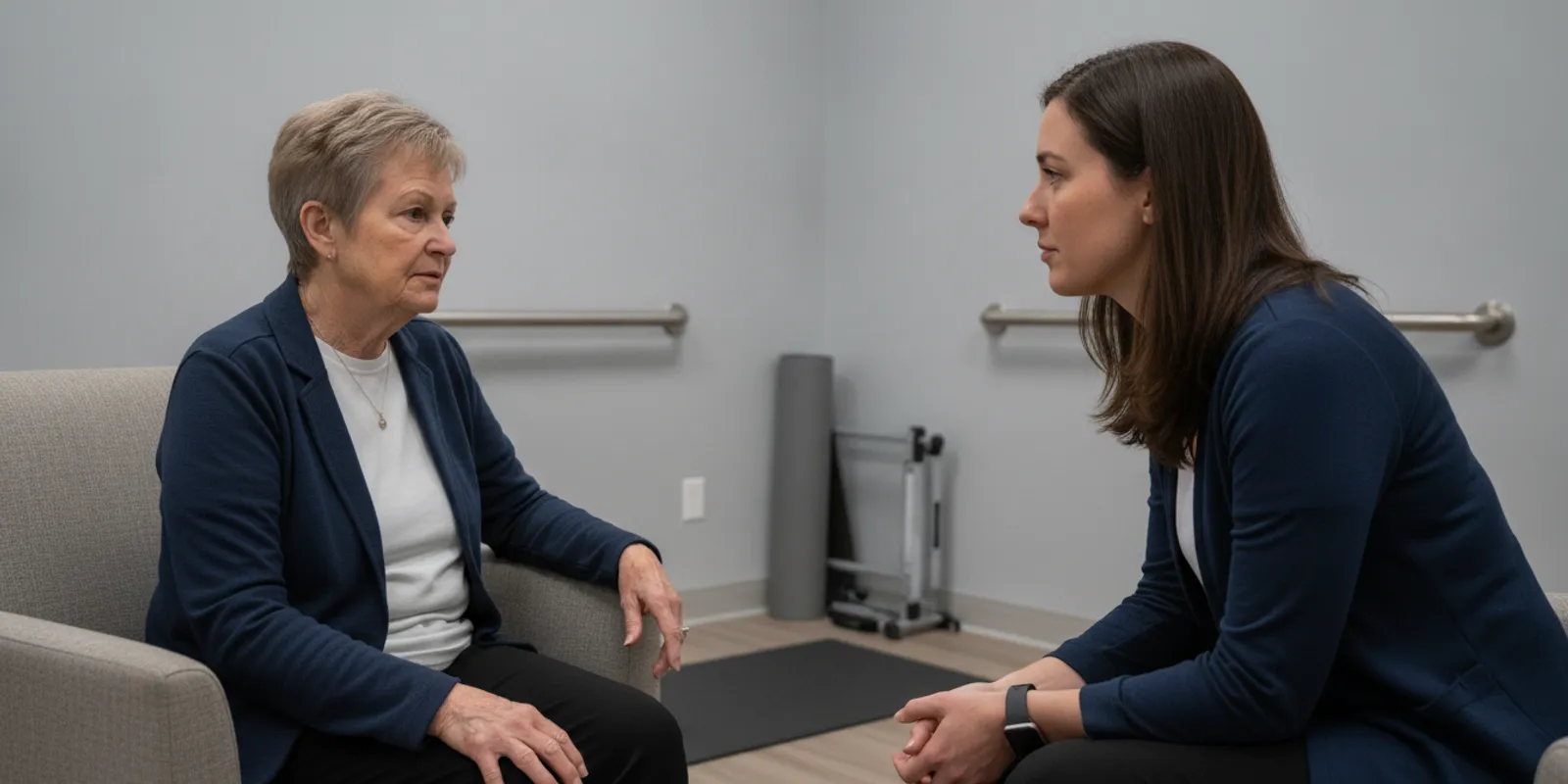
Rehabilitation for balance problems begins with understanding what makes a person feel unsteady, when it happens, and how it affects daily life. The goal is not to guess at a cause or prescribe the same routine to everyone. A careful evaluation can help identify relevant factors, discuss safety, and shape next steps around a person's function and priorities. If unsteadiness is new, worsening, or disrupting ordinary activities, consider discussing it with a qualified health professional.
Explore care options and request a consultation
What does balance rehabilitation address?
Balance is the ability to keep the body steady while sitting, standing, turning, and moving through everyday tasks. It depends on several systems working together. Vision helps a person understand their surroundings. The inner ear contributes information about motion and head position. Sensation from the feet and joints helps the brain interpret where the body is. The brain and muscles then coordinate a response.
A problem in one or more of these systems may affect steadiness, but a sense of imbalance does not point to one cause by itself. Some people describe dizziness or a spinning sensation. Others notice that they sway, feel unsure on stairs, need a hand on the wall, or have trouble turning. The words people use and the situations that bring on symptoms can help guide an evaluation.
Rehabilitation may be considered when a health professional believes that assessment and guided care could support function or safety. Depending on the findings, discussion might include movement strategies, strength or mobility needs, environmental changes, or referral for another type of medical assessment. These are possibilities, not a promise that a particular approach will fit every person.
When should balance changes receive prompt attention?
Do not assume that a sudden balance change is simply part of aging. Seek urgent medical attention for sudden severe dizziness or loss of coordination, especially with new weakness or numbness on one side, difficulty speaking, new vision problems, fainting, severe headache, chest pain, or trouble walking. A fall with a possible serious injury also needs prompt assessment. Use local emergency services when symptoms suggest an emergency.
For a non-emergency concern, contact a health professional if symptoms are recurring, getting worse, leading to falls or near-falls, or making daily activities harder. A recent change in medication, illness, hearing or vision, or another health condition may be relevant to discuss. Do not stop or change prescribed medicine on your own; ask the prescriber or pharmacist about concerns.
What details help explain a balance problem?
Clear examples are often more useful than trying to name a diagnosis. Before an appointment, consider noting the following:
- What the sensation feels like: spinning, lightheadedness, swaying, unsteadiness, blurred vision, or a feeling that the legs may give way.
- When it began: the approximate date, whether it came on suddenly or gradually, and whether it is constant or comes and goes.
- What brings it on: standing up, turning the head, walking in dim light, changing direction, using stairs, or another specific situation.
- How long it lasts: seconds, minutes, hours, or longer, and whether it settles without intervention.
- What has changed functionally: confidence while showering, carrying items, getting out of a chair, walking outdoors, or doing usual household tasks.
- Falls and near-falls: when they happened, what the person was doing, and whether an injury occurred.
- Relevant context: recent illness or injury, health conditions, changes in medication, vision or hearing concerns, and any previous evaluation.
A simple written log can help reveal patterns. Record the date, activity, surroundings, symptoms, duration, and what helped or made the feeling worse. Avoid deliberately repeating a movement that brings on severe symptoms just to gather information. If keeping a log is difficult, a family member or caregiver may help, with the person's permission.
What may happen during an evaluation?
An evaluation usually starts with a conversation about symptoms, health history, daily activities, and goals. A clinician may ask about falls, medication, vision, hearing, sensation, mobility aids, and whether the person has already seen a medical provider. The clinician may also ask what the person wants to do more safely or confidently. For one person that may be moving around the home; for another it may be getting to appointments or managing stairs.
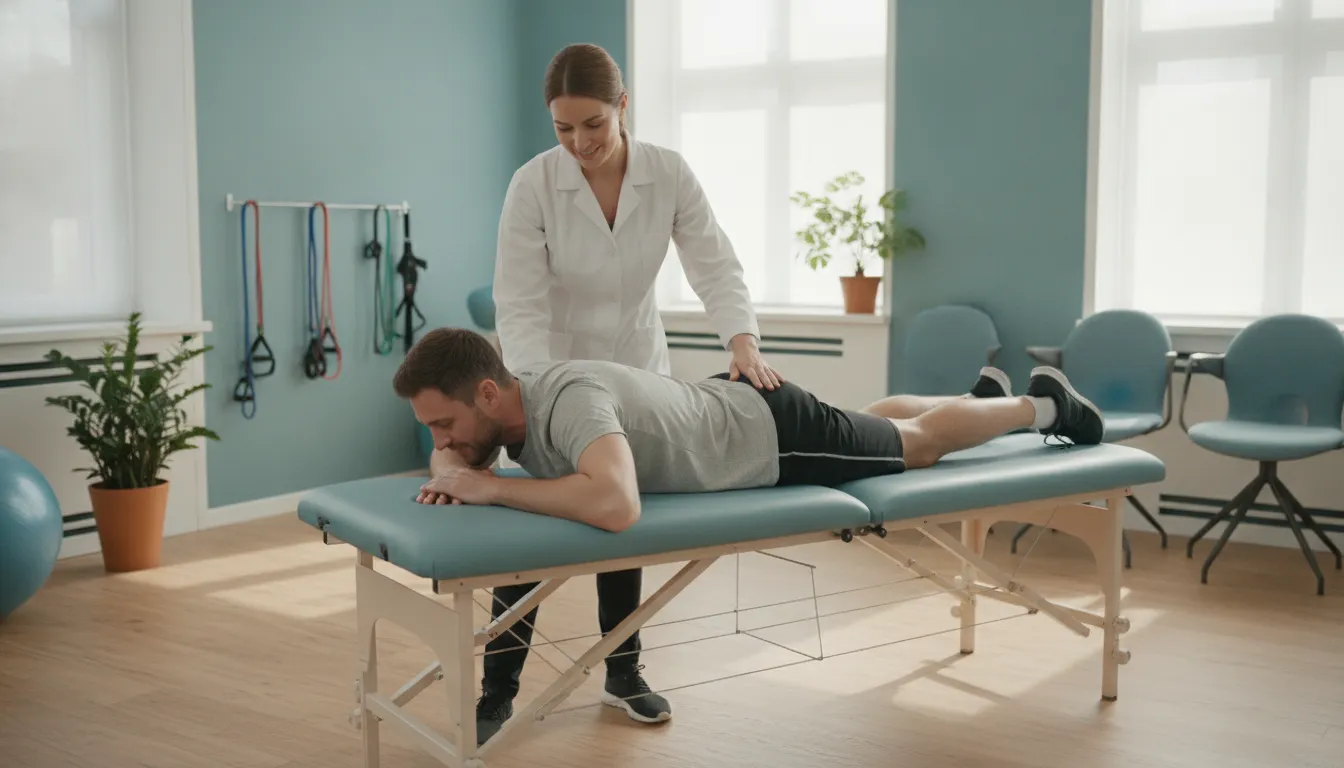
Depending on the clinician's role and the situation, an assessment may include observation of posture and movement, walking, transfers such as rising from a chair, or balance under selected conditions. A professional may use a standardized assessment tool to document function or help guide care decisions. The choice of assessment should reflect the individual's abilities and safety; it is not a test a reader should try to reproduce alone.
Rehabilitation clinicians use balance assessment tools to help identify deficits and guide rehabilitation planning, as described in research on balance assessment tools used by physical therapists. Findings from any one measure are only part of the picture. They should be interpreted with the person's history, symptoms, environment, and clinical judgment rather than treated as a diagnosis on their own.
Assessment should be adapted to the person's comfort and safety. A clinician may explain each task before it begins, offer support, or choose a different way to gather information if standing or walking is not safe. It is reasonable to ask what a test is intended to assess, whether assistance will be available, and what happens if symptoms increase.
How can you prepare for an assessment?
Preparation does not require special equipment or a self-test. Bring a current medication list, including supplements if relevant, and any available notes from prior medical visits. If symptoms occur at particular times or in particular settings, write down those patterns. Include changes in hearing, vision, sensation, mobility, or general health that seem relevant, even if you are unsure whether they are connected.
Think about what you would like to understand or do more safely. It may help to describe one recent example in detail: where you were, what you were doing, what you felt, whether you needed support, and how long it took to feel steady again. If a fall occurred, note whether you struck your head, had pain, or needed help getting up. A clinician may ask follow-up questions; it is fine to say when you do not know or cannot remember.
Wear comfortable clothing and footwear that allow you to move as directed, unless the clinician gives different instructions. Bring the mobility aid you normally use, if any, and ask whether a support person should attend. Do not arrive alone if you are currently unsafe walking or riding in a vehicle without assistance. The clinic can clarify practical arrangements before the appointment.
How can a care plan be individualized?
A useful plan should connect assessment findings to real activities and concerns. It should also account for what the person can do safely today, what support is available, and whether another clinician needs to assess a possible medical cause. Rehabilitation is not a diagnosis, and a rehabilitation professional may recommend coordination with a primary care provider or a specialist when symptoms call for further evaluation.
Depending on the assessment and professional scope, a care discussion may consider:
- Movement and task practice: supervised work on specific activities that matter to the person, when appropriate and safe.
- Strength, mobility, or coordination needs: whether limitations in these areas are relevant to the person's functional goals.
- Strategies for daily routines: ways to approach turning, transfers, stairs, or other challenging tasks with suitable support and instruction.
- Home and environmental factors: lighting, clutter, loose rugs, footwear, handrails, and the placement of frequently used items.
- Assistive support: whether a mobility aid or other equipment should be assessed and fitted by an appropriate professional.
- Follow-up or referral: what to monitor, when to check progress, and whether medical, vision, hearing, or other assessment is warranted.
This list is not a home exercise program. The right activities and level of challenge depend on the person's health, symptoms, and safety. Do not begin or intensify exercises based on a general article, particularly if movement causes dizziness, new symptoms, or a fear of falling. Ask a qualified professional how to proceed and what to do if symptoms occur.
Individualization also means setting practical goals. Instead of a broad target such as “improve balance,” a person might want to stand at the kitchen counter with more confidence or enter and leave the home with appropriate support. A clinician can help determine whether a goal is suitable and how progress might be reviewed. Progress can be gradual and may not follow a straight line.
How can progress be discussed without overpromising?
Progress should be judged against the person's agreed goals and the information gathered at the start, not against a guarantee or someone else's experience. A clinician may ask whether a daily task feels different, whether the person needs the same level of support, and whether symptoms or falls have changed. Some changes are easier to notice in a practical routine than in a single score. Other factors, such as illness, fatigue, or a change in medication, can affect how a person feels from one day to another.
Ask how often the plan will be reviewed and what would prompt a change. A care plan may need adjustment if an activity is too difficult, symptoms increase, or new information becomes available. Likewise, if a person is not noticing a change they hoped for, that is useful information to share. It can prompt a conversation about whether the goals remain realistic, whether the original assessment needs revisiting, or whether a different clinician should be involved.
There is no single timetable that fits every balance concern. Avoid claims that a set number of visits or a specific technique will restore balance by a certain date. A careful provider should explain the purpose of a proposed step, how it relates to an individual's findings, what alternatives may exist, and what uncertainty remains.
How do other health factors fit into the picture?
Balance concerns can overlap with many aspects of health. Changes in sensation in the feet, joint discomfort, reduced mobility, vision changes, medication effects, or an inner-ear issue may each affect how steady someone feels. These examples do not identify the cause in an individual. They are reasons to share a complete history and seek an appropriate assessment rather than trying to self-diagnose.
For example, altered foot sensation can make it harder to notice contact with the floor. People with persistent numbness, tingling, or burning in the feet may want to discuss those symptoms with a medical professional. Learn more about the center's neuropathy care information, while keeping in mind that only an individual evaluation can determine what assessment or care may be appropriate.
Balance is also connected to broader mobility and physical function. The center's information on mobility recovery for older adults and human performance and healthy aging offers related context. These topics do not replace a balance-specific evaluation or medical care for new or concerning symptoms.
What can make daily activities safer while waiting for care?
Until a professional has reviewed the situation, focus on avoiding preventable hazards rather than testing limits. If a person feels unsteady, use available support and ask for assistance with tasks that feel unsafe. Do not climb a ladder, carry a heavy load on stairs, or walk in a risky setting to prove that balance is improving. A caregiver should not pull or lift someone in a way that could cause injury.
Basic environmental checks may be useful, but they do not treat the underlying cause. Make walkways clear, secure or remove loose rugs, improve lighting, and keep frequently used items within easy reach. Wear footwear that fits and feels stable. If a person already uses a prescribed mobility aid, follow the guidance provided for it; ask a qualified clinician if its fit or use is uncertain.
Ask a clinician or local health professional whether a home safety review or referral is appropriate. The best changes depend on the layout, the person's abilities, and the activities that pose difficulty. If someone has fallen or cannot safely move around, arrange help rather than relying on a generic checklist.
How should you compare rehabilitation options?
Care settings and professional roles vary. A rehabilitation clinician may assess movement and functional tasks within their scope. A medical clinician may investigate health conditions or symptoms that need diagnosis. Some people need both kinds of input, while others may need a different specialist. Ask who will assess the concern, what the assessment covers, and how the care team coordinates with other clinicians.
When considering a practice, review its stated services and ask how the proposed evaluation relates to your goals. Sigma Core Medical Center describes its scope through its services overview. The center's about page provides additional background. Ask directly whether the service you need is available and whether another type of clinician should be involved. Do not assume that every provider or clinic offers every kind of balance assessment.
Because Sigma Core is a cash-pay practice, ask about the consultation process, what an evaluation includes, and any financial details before deciding to proceed. This article does not quote a price or suggest that insurance covers a service. A consultation can help clarify whether the practice's scope is relevant, but it cannot guarantee that a particular treatment will be appropriate or produce a particular result.
What questions can you ask at a consultation?
Bring your symptom notes and questions. Clear answers can help you decide what to do next and whether the proposed plan matches your needs. Consider asking:
- What parts of my history or symptoms are most important to assess?
- What will the evaluation involve, and how will you adapt it if I feel unsteady?
- Is this within your professional scope, or should I first see another clinician?
- How will the plan relate to a daily activity I want to manage more safely?
- What should I do if a symptom changes or becomes worse?
- How will we review whether the plan remains appropriate?
- What are the expected time, visit, and financial commitments, and what is not included?
It is appropriate to pause and seek clarification if an explanation is unclear. A responsible discussion should distinguish what is known from what remains uncertain, explain alternatives where relevant, and avoid promising a specific outcome. Bring a trusted person to the appointment if that would help you remember information or communicate your concerns.
Review services and request a free consultation
Frequently asked questions
Can rehabilitation identify the cause of every balance problem?
No. A rehabilitation evaluation may describe movement and functional concerns, but it does not necessarily diagnose the medical cause. A clinician may recommend a medical assessment or referral based on the symptoms and findings.
Should I try balance exercises I find online?
Do not assume a general exercise is safe for you. Symptoms, health history, and fall risk matter. Ask a qualified professional to assess your needs and explain whether an activity is appropriate, how to do it safely, and what warning signs mean you should stop and seek advice.
What if I feel dizzy as well as unsteady?
Describe the sensation, when it occurs, how long it lasts, and any related symptoms to a health professional. Dizziness has different possible causes. Sudden or severe symptoms, especially with new weakness, trouble speaking, vision changes, fainting, or difficulty walking, need urgent medical attention.
Does feeling unsteady always mean I need rehabilitation?
No. The appropriate next step depends on the cause, symptoms, safety, and personal goals. A medical evaluation may be needed first or alongside rehabilitation. A consultation can help clarify whether an available service fits, but it is not a substitute for urgent care.
Choosing a safe next step
Balance concerns deserve attention when they affect confidence, independence, or everyday function. Track what happens, make the immediate environment safer where possible, and seek professional guidance rather than assuming a single cause or trying a demanding routine on your own. An individualized evaluation can help identify relevant questions, clarify whether rehabilitation or another assessment may be appropriate, and keep the focus on activities that matter to you.