Rehabilitation for Back Problems: A Complete Guide
If you’ve ever been handed a generic sheet of back exercises, you know that a one-size-fits-all approach rarely works. Your back pain is unique to you, stemming from your specific posture, movement patterns, and lifestyle. A successful recovery plan must be just as unique. Physical medicine and rehabilitation is a highly personalized approach that starts with a simple but powerful goal: to understand the why behind your pain. By identifying the specific mechanical issues at play, whether it's a weak core or stiffness in your hips, a clinician can design a targeted program. This is why guided rehabilitation for back problems is a cornerstone of non-surgical care, creating lasting change by empowering you to heal your own body.
Key Takeaways
- Focus on the 'Why' Behind Your Pain: A good clinician goes beyond just treating the painful area; they perform a detailed assessment to uncover the root cause, such as muscle imbalances or poor movement habits, to create a plan that provides a real solution.
- You Are the Key to Your Own Recovery: While in-clinic visits are important, your commitment to consistently doing your prescribed home exercises is what truly builds strength, corrects posture, and creates lasting change.
- It's More Than Just Exercises: A successful rehabilitation program is a comprehensive toolkit that combines hands-on care for relief, targeted exercises for building core strength, and practical education on how to move safely in your daily life.
How Does Rehabilitation Help Back Pain?
When you’re dealing with persistent back pain, it’s easy to focus on just getting rid of the ache. But physical medicine and rehabilitation takes a different approach. Instead of simply masking the symptoms, your clinician works to understand and treat the root cause of your discomfort. They don't just look at where it hurts; they look at how you move, stand, and function as a whole to figure out why it hurts.
This process is a partnership. Your care team combines hands-on techniques with a personalized exercise plan and education to help you regain strength and mobility. The goal is to do more than provide temporary relief. It’s about giving you the tools and strength to manage your condition, restore your function, and help keep the pain from coming back. By addressing the underlying mechanical issues, rehabilitation helps you build a stronger, more resilient back for the long haul.
Targeting the Source of Your Pain
A successful rehabilitation program is built on a simple but powerful idea: the treatment must match the cause. Your clinician will conduct a thorough assessment to pinpoint the specific reason for your pain. It could be anything from weak core muscles forcing your back to overcompensate, to poor posture creating strain, or stiffness in your hips that changes how you walk.
Once they identify the underlying issue, they can design a program that targets it directly. This is why a generic sheet of back exercises often fails. Your plan will be a unique combination of strength training, flexibility work, and postural correction tailored to your body and your personal goals, helping you get back to your life with confidence.
Active Rehabilitation vs. Other Treatments
It’s important to understand the difference between active and passive treatments for back pain. Passive treatments are things done to you, like heat packs, massage, or ultrasound. While they can feel good and offer some short-term relief, they don’t typically fix the underlying problem. They are a temporary patch, not a permanent solution.
Rehabilitation, on the other hand, is an active approach. The focus is on using targeted exercise and movement to create lasting change. Research shows that strengthening the muscles in your back, hips, and core is one of the most effective ways to reduce back pain over time. This active strategy empowers you to heal your own body, making it a cornerstone of effective, non-surgical back pain management.
Can Rehabilitation Help Your Type of Back Pain?
Back pain isn’t a single diagnosis, it’s a symptom. The sharp twinge you feel after lifting something heavy is very different from the dull, persistent ache that comes from sitting at a desk all day. Because there are so many potential causes, the most effective treatment is one that’s tailored specifically to you. This is where physical medicine and rehabilitation shines. It’s not a one-size-fits-all approach, but a highly personalized form of care designed to restore movement and physical function.
A skilled clinician acts like a detective. Their first job is to figure out the root cause of your discomfort. Is it a muscle strain, a disc issue, or a problem with your posture? The underlying cause of your back pain dictates the entire foundation of your rehabilitation program. Once they identify the source, they can create a targeted plan that combines hands-on care with specific exercises and education to get you back to moving with confidence. Whether your goal is to get back on the golf course or simply carry your groceries without pain, rehabilitation can address the specific condition holding you back.
Lower Back Pain and Muscle Strains
This is one of the most common complaints we see, often triggered by a sudden movement, lifting something improperly, or simple overuse. When you strain the muscles or ligaments in your back, the result is inflammation, stiffness, and pain. Rehabilitation is often very effective for these injuries. Your clinician uses hands-on care to gently release muscle tension and improve mobility in the affected area. They will then guide you through a series of targeted exercises to strengthen your core and back muscles, creating a natural corset of support for your spine. This approach not only relieves your current pain but also teaches you how to move correctly to help prevent it from happening again.
Herniated or Bulging Discs
The idea of a herniated or "slipped" disc can sound alarming, but it doesn't automatically mean you need surgery. These discs are the soft cushions between your vertebrae, and sometimes they can bulge or break open, pressing on nearby nerves. Your clinician can create an individualized plan to help manage this. Treatment often involves gentle exercises that decompress the spine, creating more space for the disc and nerve; for some patients, spinal decompression may also be considered. The plan will also focus on strengthening the deep core muscles that stabilize your spine, taking pressure off the injured area. Through careful hands-on care and a progressive exercise program, rehabilitation can significantly reduce pain and restore function for many people.
Sciatica
If you’ve ever felt a sharp, shooting pain, tingling, or numbness that travels from your lower back down your leg, you may have experienced sciatica. This condition occurs when the sciatic nerve, the longest nerve in your body, becomes compressed or irritated. Guided rehabilitation is a common first-line approach for sciatica. Your clinician will use specific stretches and nerve gliding exercises designed to gently mobilize the sciatic nerve and relieve pressure. They will also work to correct any underlying mechanical issues in your spine or pelvis, often by strengthening your glute and core muscles to improve stability and help prevent future flare-ups.
Degenerative Disc Disease and Spinal Stenosis
These conditions are often related to the natural aging process. Degenerative disc disease involves the gradual wear and tear of your spinal discs, while spinal stenosis is a narrowing of the spinal canal that can put pressure on your nerves. While we can't reverse these changes, rehabilitation can make a real difference in managing your symptoms. Your clinician will design a program to improve structural impairments in your spine and pelvis. The focus is on improving your mobility, building strength in the muscles that support your spine, and teaching you strategies to perform daily activities with less pain, helping you stay active and independent.
Spinal Osteoarthritis
Just like you can get arthritis in your knees or hands, you can also develop it in the small facet joints of your spine. This can lead to stiffness (especially in the morning), aching pain, and reduced flexibility. Rehabilitation helps address both the symptoms and root causes of this chronic pain. Your program will likely include gentle range-of-motion exercises to keep the joints moving, strengthening exercises to provide better support for your spine, and low-impact aerobic activities like walking or swimming. This combination helps reduce stiffness, manage pain, and improve your overall function, allowing you to maintain an active lifestyle.
Postural Back Pain
In our modern world, many of us spend hours sitting at desks, looking down at phones, or slouching on the couch. This can lead to postural back pain, which is caused by the sustained stress on your muscles and ligaments. Your body is forced into a position where some muscles become tight and overworked while others become weak and underused. Your clinician can evaluate your posture and identify these imbalances. They can use hands-on care to release tight muscles and will create a home exercise program focused on strengthening your core and upper back. This helps you maintain better alignment throughout the day, effectively taking the strain off your spine.
Common Rehabilitation Techniques for Back Pain
A great rehabilitation program is much more than a list of exercises. Your clinician will use a combination of techniques to address your specific pain and goals. Think of it as a personalized toolkit designed to reduce pain, restore mobility, and build strength for the long haul. These methods work together to not only relieve your current symptoms but also to correct the underlying issues causing your back problems in the first place.
Manual Therapy and Joint Mobilization
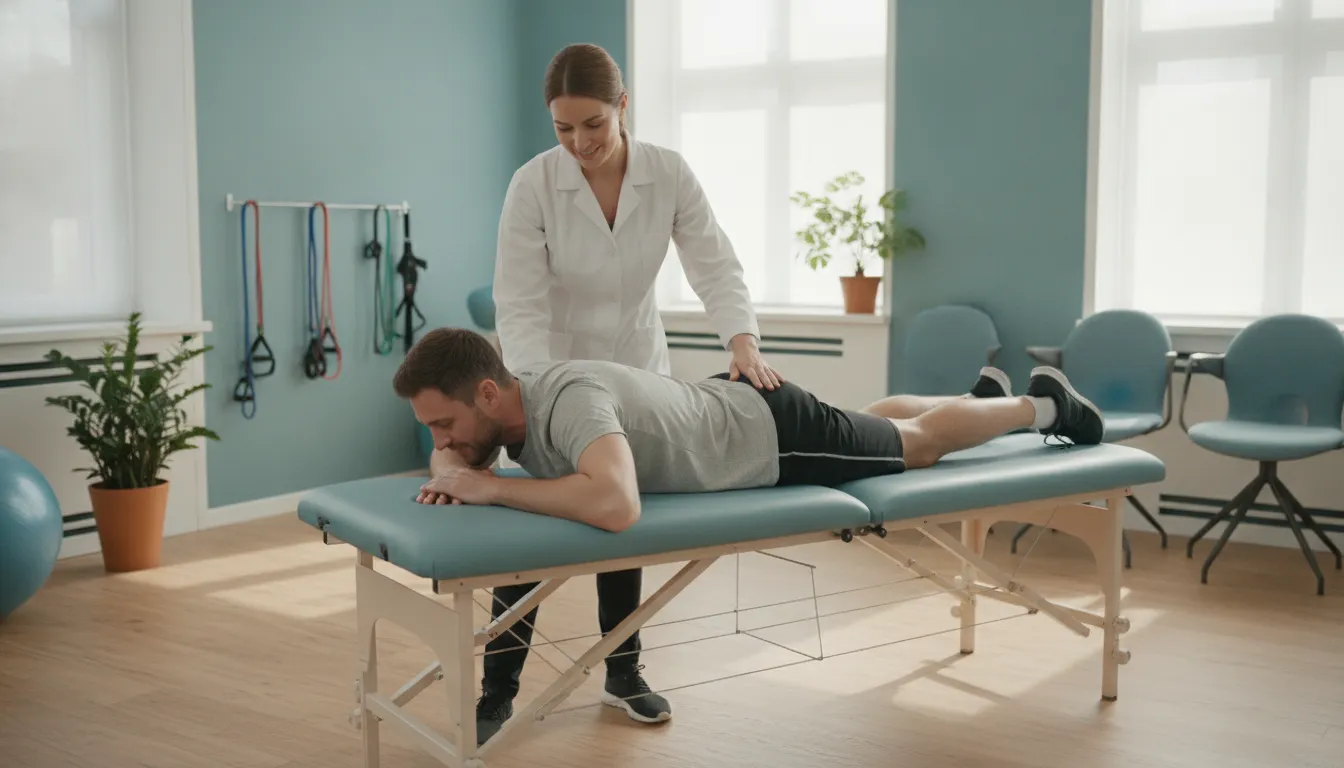
This is the hands-on part of care, where your clinician works directly on your body. If you have tight muscles or stiff joints, they may use gentle pressure and skilled movements to help. This can involve the manipulation of the spine, pelvis, and legs to readjust misaligned vertebrae or release tension. The goal is to improve your range of motion, reduce pain, and restore proper joint function. It’s a targeted approach that can provide relief and make it easier for you to perform your rehabilitation exercises.
Therapeutic Exercise and Core Strengthening
While hands-on care provides relief, targeted exercise creates lasting change. Your rehabilitation program will include specific movements designed to strengthen the muscles that support your spine, especially your deep core and back muscles. By combining strength training with flexibility exercises, you can address both the symptoms and root causes of your back pain. A strong, stable core acts like a natural brace for your spine, protecting it from strain during daily activities. These exercises are tailored to your ability level and gradually progressed as you get stronger, helping you build a resilient back.
Dry Needling and Electrotherapy
Some care plans also include what are known as passive modalities, where a treatment is applied to you. Techniques like Transcutaneous Electrical Nerve Stimulation (TENS) use a mild electrical current to interrupt pain signals, while dry needling involves inserting thin needles into trigger points to release tight muscle knots. These methods can help reduce acute pain and muscle spasms, creating a window of opportunity to work on strengthening and movement with less discomfort. They are usually used alongside other therapies rather than on their own.
Postural Correction and Body Mechanics
How you sit, stand, and move throughout your day has a huge impact on your back health. A key part of rehabilitation is learning how to protect your spine from unnecessary stress. Your clinician will act as your personal coach, teaching you proper body posture techniques for everything from sitting at a desk to lifting groceries. By making small, conscious adjustments to your daily habits, you can significantly reduce back strain and lower your risk of future injuries, helping you stay active long after your visits are over.
Heat, Cold, and Other Modalities
To help manage your symptoms, your care team might incorporate heat or cold therapy. Applying heat can help relax tight muscles and improve circulation, while cold packs can reduce inflammation and numb acute pain. Rehabilitation programs often combine manual therapy with exercises and other modalities like heat and cold. These simple but effective tools can help control your pain levels, making it easier to participate fully in your recovery program and get back to the activities you love.
Key Exercises for Back Pain Relief
When you're dealing with back pain, the thought of exercise might seem counterintuitive. However, gentle, targeted movement is one of the most effective ways to find relief and build resilience against future flare-ups. The right exercises can help restore mobility, strengthen supporting muscles, and reduce tension. Think of them not as a workout, but as a way to heal and re-educate your body.
These movements are foundational in many rehabilitation programs because they are safe, effective, and easy to perform at home. As always, listen to your body. Start slowly and never push into sharp pain. The goal is to create gentle movement and activation, not to strain yourself. Your clinician can create a personalized plan, but these exercises are a great place to start your journey toward a stronger, more comfortable back.
Cat-Cow Stretch
The Cat-Cow stretch is a classic for a reason. It’s a wonderful, gentle way to wake up your spine and relieve tension. Start on your hands and knees with your wrists directly under your shoulders and your knees under your hips. As you inhale, drop your belly towards the floor and look up, creating a gentle arch in your back like a cow. As you exhale, round your spine toward the ceiling, tucking your chin to your chest like a cat. This dynamic movement encourages flexibility and can be especially helpful for a stiff, sore back. The fluid motion helps improve flexibility and brings nourishing blood flow to the spinal discs, making it a perfect warm-up or a simple break during your day.
Bird Dog
The Bird Dog exercise is fantastic for building core stability without putting stress on your lower back. Starting on your hands and knees, engage your abdominal muscles to keep your back flat and stable. Slowly extend one arm straight out in front of you while simultaneously extending the opposite leg straight back. The key is to keep your torso and hips completely still, avoiding any rocking or tilting. Hold for a few seconds before returning to the starting position with control. This movement teaches your body to stabilize the spine while your limbs are in motion, which is crucial for preventing pain during daily activities. It’s an excellent exercise for improving balance, coordination, and overall core strength.
Knee-to-Chest Stretch
This simple stretch is a go-to for relief from lower back tightness. Lie comfortably on your back with your knees bent and feet flat on the floor. Gently bring one knee toward your chest, holding it with both hands. You should feel a comfortable stretch in your lower back and glute. Hold for 20 to 30 seconds, breathing deeply, then slowly release and switch to the other leg. For a deeper stretch, you can bring both knees to your chest at the same time. This movement helps to gently elongate the lower back muscles and can relieve tension that builds up from sitting or standing for long periods. It’s a calming and effective way to end your day.
Pelvic Tilts
Pelvic tilts are a subtle but powerful exercise for activating your deep core muscles and improving awareness of your spinal position. Lie on your back with your knees bent, feet flat on the floor, and your arms resting by your sides. Gently flatten your lower back against the floor by tightening your stomach muscles and tilting your pelvis upward slightly. Imagine you are trying to press your belly button toward your spine. Hold for a few seconds, then relax. This small movement helps strengthen the abdominal muscles that support your lower back and can improve your posture. Regular practice of rehabilitation exercises like pelvic tilts can make a meaningful difference in managing chronic lower back pain.
Bridges and Core Stabilization
Bridges are a great exercise for strengthening your glutes and hamstrings, which are key support muscles for your lower back. When these muscles are strong, they take a lot of the strain off your spine. To perform a bridge, lie on your back with your knees bent, feet flat on the floor about hip-width apart, and your arms by your sides. Squeeze your glutes and lift your hips off the floor until your body forms a straight line from your shoulders to your knees. Hold for a moment at the top, then slowly lower your hips back down. This movement not only builds strength but also promotes core stabilization, which is essential for protecting your back during everyday movements like lifting or bending.
Low-Impact Aerobic Movement
While specific stretches and strengthening exercises are vital, don't underestimate the power of general, low-impact aerobic activity. Activities like walking, swimming, or using an elliptical machine increase your heart rate without jarring your spine. This enhanced circulation delivers more oxygen and nutrients to the muscles and soft tissues in your back, which helps reduce stiffness and promotes healing. Consistent low-impact aerobic exercise also helps with weight management, reducing the overall load on your spine. Even a brisk 20 to 30-minute walk each day can play a significant role in your long-term back health and overall well-being, keeping you active and mobile for years to come.
What to Expect From Your Rehabilitation Program
Starting a rehabilitation program is a proactive step toward reclaiming your strength and getting back to the life you want to live. It’s a collaborative journey where you and your care team work together to address your pain, restore your mobility, and build a stronger, more resilient body. Your program won’t be a generic, one-size-fits-all plan. Instead, it will be a personalized roadmap designed specifically for your body, your challenges, and your unique goals. Whether you want to get back on the golf course, keep up with your grandkids, or simply move through your day with less pain, your program will be built around what matters most to you.
The process typically begins with a thorough assessment, moves into a structured treatment phase with in-clinic visits and at-home exercises, and includes regular check-ins to ensure you’re making progress. The ultimate goal of rehabilitation extends beyond short-term relief. We aim to address the root causes of your pain, correct underlying movement patterns, and give you the tools and knowledge to help prevent future injuries. Think of your clinician as your partner and coach, guiding you and supporting you every step of the way.
Your First Visit: Assessment and Goal Setting
Your first visit is all about discovery. Your clinician will start by having a detailed conversation with you about your symptoms, your medical history, and how your back pain is affecting your daily life. From there, they will guide you through a physical assessment to get a clear picture of what’s going on. This isn't just about finding what hurts; it's about understanding why. They will likely test your strength, flexibility, and range of motion, and may ask you to perform certain movements to evaluate your functional capacity. This initial visit is foundational for creating a treatment plan that is tailored specifically to you and your recovery goals.
How Long Will Your Program Last?
One of the most common questions we hear is, "How long will this take?" The honest answer is: it depends. Because your treatment plan is completely individualized, the duration will be unique to your situation. Factors like the severity of your condition, how long you've been experiencing pain, and your personal goals all play a role. Some people may start to feel improvement within a few weeks, while others with more complex or chronic issues may need a few months of consistent work. Your care team will map out your road to recovery, but your commitment to the process, especially with at-home exercises, is what truly sets the pace for your healing and long-term success.
Tracking and Adjusting Your Progress
Your rehabilitation program is not static; it’s a dynamic process that evolves as you heal. Your clinician will continuously track your progress by measuring improvements in your strength, mobility, and pain levels. Based on how your body is responding, they will adjust your treatment plan to make sure you are always being challenged appropriately without being pushed too far. A key part of this process is your "homework." Your care team will give you specific exercises and stretches to do at home between visits. These assignments are crucial for reinforcing the work you do in the clinic and are a vital part of your recovery. Regular follow-up visits allow your clinician to fine-tune your program and keep you moving forward.
Why Consistency Is Key for Recovery
If there’s one secret to getting the most out of rehabilitation, it’s consistency. Attending your visits is important, but the work you do at home is where the real progress happens. Lasting change comes from gradually retraining your muscles, improving your posture, and correcting movement patterns over time. Rehabilitation helps by combining targeted strength training, flexibility exercises, and hands-on care to address both the symptoms and root causes of your pain. By consistently performing your exercises, you are actively retraining your body for better function and resilience. This commitment is your investment in a stronger, more mobile, and more comfortable future.
How to Support Your Recovery at Home
Your in-clinic visits are where you get expert guidance and hands-on treatment, but the work you do between visits is what truly cements your progress. Think of your clinician as your coach; they create the game plan, but you’re the one who has to run the plays every day. Taking an active role in your recovery at home is the key to achieving lasting relief and reducing future flare-ups. By incorporating simple, consistent habits into your daily life, you empower yourself to build a stronger, more resilient back. It’s about making small, manageable changes that add up to a significant impact on your long-term health and mobility.
Daily Mobility and Stretching
One of the best things you can do for your back is to move it gently and intentionally every single day. Your clinician will give you a set of exercises designed for your specific needs, and it’s important to make them a non-negotiable part of your routine. This isn't about pushing through pain; it's about encouraging movement. Daily mobility exercises help your joints move through their full range of motion, making everyday actions like twisting to grab something or reaching for a high shelf feel easier and more fluid. Think of it as daily maintenance for your spine and the supporting muscles, keeping everything working smoothly to prevent stiffness from setting in.
Improving Your Posture and Ergonomics
We often don't realize how much our daily posture contributes to back pain until it becomes a chronic issue. Slouching at a desk, hunching over a phone, or even lifting grocery bags incorrectly can put immense strain on your spine over time. A key part of your home program is learning to be more mindful of your body mechanics throughout the day. Your care team will teach you proper posture techniques for sitting, standing, and lifting that protect your back from unnecessary stress. Making small ergonomic adjustments, like placing a cushion for lumbar support or raising your computer monitor, can make a world of difference in your comfort and recovery.
Lifestyle Habits to Protect Your Spine
Beyond specific exercises and posture, your overall lifestyle plays a huge role in spinal health. Your clinician will help you identify habits that support a strong back. This often starts with building a powerful core, which acts like a natural corset to stabilize and protect your spine. A strong core is essential for taking pressure off your back muscles. Other simple habits, like staying hydrated to keep your spinal discs healthy, maintaining a healthy weight to reduce load on your spine, and choosing supportive footwear, all contribute to a healthier back and a more active life.
Creating a Long-Term Maintenance Plan
The ultimate goal of rehabilitation isn't just to get you out of pain; it's to give you the tools to stay that way. As you progress, your focus will shift from recovery to long-term maintenance. Your clinician will help you create a sustainable plan that includes exercises for your entire kinetic chain, which is just a way of saying all the muscles and joints that work together to create movement. This well-rounded exercise program helps keep your body strong and balanced, reducing the risk of re-injury. This plan is your personal roadmap to staying active, independent, and confident in your body for years to come.
When Is Exercise-Based Rehabilitation Not Enough?
Exercise-based rehabilitation is an effective tool for managing many types of back pain. But what happens when you’ve been diligently doing your exercises and still feel stuck? It can be frustrating, but it doesn’t mean your efforts were wasted. Sometimes, it’s simply a sign that your body needs a different kind of support or that there’s an underlying issue that exercise alone can’t address. Recognizing these limits is a crucial step in your recovery journey, helping you find a more comprehensive path toward lasting relief.
Knowing When to Explore Other Options
While most back pain improves with conservative care, certain symptoms are red flags that require immediate medical evaluation. If your pain is sharp and shoots down your leg, or if it’s accompanied by significant weakness, numbness, or changes in bowel or bladder function, it’s time to see a doctor. These can be signs of a severe nerve issue or another condition that needs urgent attention. Pushing through this kind of pain is never a good idea.
It’s also wise to seek another opinion if you’ve been consistent with your rehabilitation program for several weeks without any meaningful improvement. If your progress has plateaued or your pain is worsening, your body is signaling that the current plan may not be targeting the root cause. Delaying a comprehensive diagnosis can sometimes prolong your recovery, so listening to your body and exploring other options is a proactive step toward getting the right care.
Integrating Rehabilitation with Regenerative Care
Even when guided exercise is the right treatment, it doesn’t have to be the only one. Think of your recovery as a team effort. Your clinician is an essential player, creating a plan with hands-on care and exercises tailored to your goals. However, for chronic conditions like degenerative disc disease, spinal osteoarthritis, or stubborn tissue injuries, some patients explore adding treatments that aim to support healing from within.
This is where regenerative care may be an option to discuss. Therapies like PRP are intended to support the body’s natural healing response in damaged tissue. When these treatments are appropriate, they can be combined with a solid rehabilitation program. Your care team works to restore your strength, flexibility, and function, while regenerative medicine targets the underlying injury. Results vary from person to person, and no outcome is guaranteed, but this integrated approach gives you more than one path toward long-term relief.
Frequently Asked Questions
I've tried back exercises from the internet before without success. How is guided rehabilitation any different? That’s a common experience, and it highlights the main difference. Your clinician acts like a detective for your body. Instead of giving you a generic list of exercises, they first perform a thorough assessment to figure out the specific reason for your pain. It could be weak core muscles, stiffness in your hips, or poor movement patterns. Your program is then built around your unique problem, which is why it tends to work better than a one-size-fits-all approach.
My back pain is due to a chronic condition like arthritis. Can rehabilitation still help me? In many cases, yes. For chronic conditions, the goal of rehabilitation often shifts from a "cure" to management and improved function. While we can't reverse conditions like arthritis or degenerative disc disease, we can often reduce their impact on your life. Your clinician will help you build strength in the muscles that support your spine, improve your flexibility to reduce stiffness, and teach you how to perform daily activities with less pain, helping you stay active and independent.
What happens during a rehabilitation visit? Is it just exercise? It’s much more than just exercise. While a personalized exercise plan is a core part of your recovery, your visits will also include hands-on treatment. Your clinician may use manual therapy, which involves skilled movements to mobilize stiff joints and release tight muscles. They also act as your personal coach, educating you on your condition and teaching you better posture and body mechanics to protect your back during your daily routine.
How long will it take to see results, and how many visits will I need? The timeline for recovery is unique to each person. The duration of your program depends on several factors, including the specific cause of your pain, how long you've had it, and your personal goals. Some people notice improvement within a few weeks, while others with more complex issues may need a few months of consistent work. Your clinician will give you a clearer projection after your initial assessment.
What if I do all the exercises but my pain doesn't improve? If you've been consistent with your program for several weeks and your progress has stalled, it's an important sign that we need to look deeper. It may indicate that your body needs a different kind of support. In these cases, rehabilitation can be combined with other treatments, like regenerative care, to address the underlying problem. This integrated approach can sometimes provide the missing piece needed for recovery.