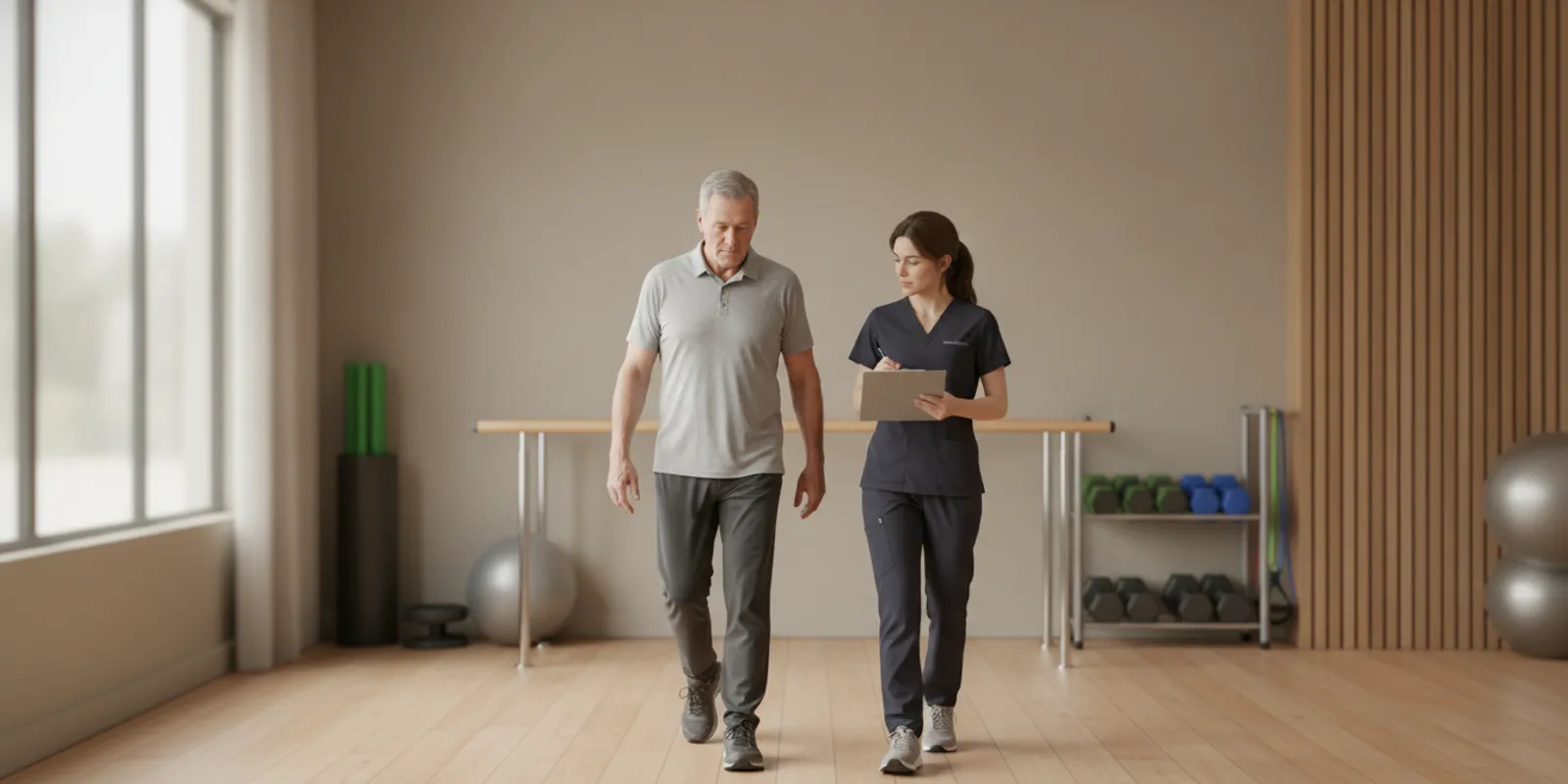
Mobility Recovery for Older Adults: A Safe Start

Stiff joints or reduced strength don’t have to define what your days look like. With the right support, you can work on movements that matter, whether that means standing from a chair with greater ease, walking farther, or feeling steadier at home. Mobility recovery for older adults starts with your needs, health history, and current abilities, not a demanding exercise routine. A plan may combine manageable movement, balance practice, and guidance from a clinician or care team. This article explains common approaches, practical ways to get started, and signs that it’s time to seek medical advice. Small, consistent steps can help you stay engaged in daily activities.
Key Takeaways
- Set goals around daily life: Choose activities that support tasks you value, then ask your clinician to tailor a plan to your health and abilities.
- Start safely and progress in small steps: Use stable support, begin with gentle movement, and add time or resistance gradually as your body allows.
- Pay attention to your body’s response: Track symptoms and changes in daily function, allow time to recover, and seek medical advice for persistent pain, worsening weakness, balance changes, or serious symptoms.
What Is Mobility Recovery for Older Adults?
Mobility recovery is the process of improving or maintaining your ability to move safely and comfortably in daily life. It may involve building strength, moving joints through a comfortable range, practicing balance, or improving coordination. The aim is not to meet a fitness standard. It is to make useful activities, such as getting out of a chair, walking across a room, reaching for an item, or stepping into a car, feel more manageable.
Mobility can change gradually or after an illness, injury, surgery, or period of reduced activity. Pain, stiffness, weakness, neuropathy, and some health conditions may affect how easily you move. A suitable plan begins with your current abilities and health needs, then works toward goals that matter to you. Depending on the cause of your limitations, support may include guided exercise, physical or occupational therapy, or medical evaluation. If a new or worsening symptom affects your movement, check with a health professional before making major changes to your activity.
How Mobility Supports Independence and Daily Function
Mobility plays a part in many everyday routines, from preparing a meal and getting dressed to visiting friends or taking part in a favorite activity. When movement feels more comfortable and secure, it may be easier to stay independent and connected to the people and places that matter to you. StoneBridge Senior Living describes how mobility can support independence and daily life.
Start by naming a task you would like to make easier. Perhaps you want to walk to the mailbox, stand up with less effort, or feel steadier while getting dressed. These specific goals can help you and your care team choose relevant activities and recognize changes over time. Progress may be gradual, but improvements in comfort, confidence, or ease can make a meaningful difference in your day.
How Strength, Flexibility, Balance, and Coordination Help
Everyday movement relies on several abilities working together. Strength helps you stand, climb steps, and carry light items. Flexibility supports comfortable joint movement, while balance and coordination help you shift your weight, reach, turn, and respond to changes in the ground beneath you. Practicing these skills can help daily activities feel steadier and more controlled.
The right activities depend on your health and starting point. Some forms of physical activity that work on strength and balance may help lower fall risk for older adults, when they are appropriate for the individual. Exercises do not have to be strenuous to be useful. Your clinician can help you choose manageable movements and adjust them as your ability changes.
Common Challenges: Pain, Stiffness, Weakness, Neuropathy, and Fear of Falling
Pain or stiffness may make certain movements uncomfortable, while weakness can make standing or walking feel more demanding. Neuropathy may affect sensation in the feet or legs, changing how steady you feel. Worry about falling can also lead you to avoid activities. Over time, doing less may make it harder to maintain strength and confidence.
These challenges can occur together, and their causes vary. Your health history, medications, symptoms, and home environment can all affect what kinds of movement are suitable. A review of mobility programs for older adults describes the value of coordinated support when mobility needs are complex, including during hospital care. If movement becomes difficult or your symptoms change, ask a health professional to assess possible causes and discuss activities that fit your needs.
Why It’s Not Too Late to Improve Mobility—and Why Exercises Must Fit You
Age alone does not determine what you may be able to improve. With consistent, appropriate activity, many older adults can work on strength, balance, and the movements they rely on each day. Progress might mean walking a little farther, standing with less effort, or feeling more secure on stairs. StoneBridge Senior Living highlights practical steps older adults can take to support mobility and independence.
Exercises should reflect your abilities and symptoms. A movement that suits one person may aggravate another person’s joint pain, fatigue, or balance concerns. Start with comfortable activities, and seek guidance if you have ongoing symptoms, a recent injury or surgery, or a condition that affects movement. Your clinician can help tailor a plan to your goals and health needs, with adjustments as your strength and confidence change.
Which Gentle Exercises Can Help Restore Mobility?
Gentle exercise can help you practice the movements you use every day, such as reaching for a shelf, standing from a chair, or walking across a room. The right exercises depend on your current strength, balance, health conditions, and symptoms. You don’t need to do every movement at once. A few controlled repetitions, with rest as needed, can be a useful starting point.
Choose movements that feel manageable, and keep a sturdy chair or countertop nearby for support. Move slowly, breathe normally, and avoid forcing a stretch or pushing through sharp pain. Mild effort can be expected when you’re active, but new or worsening pain, numbness, weakness, or unsteadiness deserves attention.
If you have had a recent injury or surgery, experience frequent falls, or have a condition that affects exercise, ask a health professional which activities are appropriate. Your clinician can suggest modifications and help you build a plan around your daily needs. Stop exercising and seek medical advice if you develop chest pain, dizziness, severe breathlessness, or other concerning symptoms. As your comfort changes, adjust your routine rather than sticking to a plan that no longer fits.
Try Seated Moves: Shoulder Rolls, Ankle Circles, and Chair Cat-Cow
Seated movements can be a comfortable way to begin if standing feels difficult or tiring. Sit in a sturdy chair with your feet supported. Slowly lift your shoulders toward your ears, roll them back, and let them relax. Repeat a few times without straining your neck.
For ankle circles, lift one foot slightly and make small circles with your toes, first in one direction and then the other. Switch feet. To try a seated cat-cow, place your hands on your thighs. Gently round your upper back, then sit tall and lift your chest without forcing your lower back to arch. Keep the movement easy and controlled. The British Heart Foundation’s chair exercise guide includes more seated options for older adults.
Gently Move Your Hips, Knees, and Spine
Try small, controlled movements to practice comfortable motion through your hips and knees. While seated, slide one foot forward to straighten your knee as far as feels easy, then lower it slowly. Repeat on the other side. To move your hips, keep your knees bent and gently shift them a short distance from side to side. Stay within a comfortable range.
You can also sit tall and turn your shoulders slightly to one side, return to center, then turn to the other side. Keep your hips facing forward and avoid twisting sharply. Start with just a few repetitions. Stop if you feel pain, tingling, or numbness. Central Baptist Village’s mobility exercise suggestions include seated hip and knee movements that can be adapted to your ability.
Try Supported Standing: Weight Shifts, Marching, and Sit-to-Stand
If standing feels safe, place a sturdy chair or countertop within reach. Hold the support and gently shift your weight from one foot to the other, keeping your movements small. For supported marching, lift one foot a few inches, set it down, then switch sides. Stay upright and avoid leaning or rushing.
You can also practice standing from a chair if you feel steady enough. Sit near the front of a stable chair with your feet under your knees. Use the armrests or a nearby support as needed, lean forward slightly, and rise only if you can do so with control. Lower yourself slowly. If you feel unsteady or experience pain, stop and ask for guidance. Central Baptist Village’s exercise guide describes supported standing and balance movements.
Build Strength With Body Weight or Light Resistance
Strength supports tasks such as climbing steps, carrying groceries, and standing from a chair. Start with movements you can do comfortably and with control. These might include gentle heel raises while holding a countertop or chair rises with your hands helping as needed.
If the movements feel manageable, a health professional may recommend adding a light resistance band or small hand weight. Keep the motion slow, breathe normally, and avoid locking your joints. Change only one part of the exercise at a time, such as the number of repetitions or the resistance. Give your body time to respond before making another change. If you notice new pain, unusual weakness, or symptoms that continue after exercising, pause and talk with your clinician about adjusting your routine.
Practice Balance With Stable Support Nearby
Set up a safe space before practicing balance. Stand beside a sturdy countertop or heavy chair, with clear floor space and support close enough to grasp. Begin with your feet comfortably apart and shift your weight gently from side to side. If that feels steady, bring your feet a little closer together while keeping a hand on the support.
Keep each movement small, and sit down if you feel unsteady. Don’t try standing on one leg or closing your eyes unless a qualified professional has recommended the exercise and shown you how to do it safely. Supported balance practice may help you feel more confident during daily movement. Central Baptist Village’s mobility recommendations include weight shifts and other supported options. If you’ve fallen recently or noticed a change in your balance, speak with a health professional before practicing alone.
Walk, Try Tai Chi, or Exercise in Water as Appropriate
Walking can be a practical way to stay active if you can do so comfortably and safely. Choose a level, familiar route and a pace that lets you speak without straining. Start with a short walk, use a mobility aid if one has been prescribed, and rest when needed. If walking outdoors feels uncertain, ask about supervised indoor options.
Tai chi uses slow, controlled movements that may help you practice balance and coordination. Water-based exercise may feel more comfortable for some people, though getting in and out of a pool also needs to be safe. Choose an activity that suits your abilities and preferences, and check with your clinician if you’re unsure what’s appropriate. UF Health’s summary of research on physical activity and mobility discusses options such as walking, tai chi, and water exercise for older adults.
Adapt Exercises for Pain, Fatigue, or Limited Mobility
Let your symptoms guide how much you do. On a lower-energy day, you might shorten your session, do fewer repetitions, or choose seated movements. If an exercise causes discomfort, reduce the range of motion or stop. Ask a health professional whether there’s a suitable alternative, especially if you notice sharp pain, new numbness, or worsening weakness.
Keep a brief record of the exercises you try and how you feel during and afterward. Note changes in pain, fatigue, balance, and everyday activities. These details can help your clinician adjust your plan based on your response. Use your notes to discuss what feels manageable and what may need to change.
How Can Older Adults Start a Mobility Program Safely?
A safe mobility program starts with your current abilities, health, and goals, not a one-size-fits-all workout. Think about the daily activities you’d like to do more comfortably, such as standing from a chair, climbing stairs, or walking farther. Then begin with manageable movements and make changes gradually.
Before you exercise, prepare a clear space and keep a stable support nearby. Pay attention to how you feel during activity and afterward, and adjust your plan if pain, fatigue, or balance concerns arise. A healthcare professional can help you choose appropriate exercises, especially if you have a chronic condition, take medication, or are recovering from an injury or procedure.
Discuss Health Conditions, Medications, and Limitations With a Professional
If you have a chronic condition, recent injury or surgery, balance concerns, or difficulty moving comfortably, speak with your healthcare provider before starting a new routine. Your clinician or another qualified professional can recommend exercises that fit your ability and explain how to adapt them. Mention pain, numbness, weakness, and any history of falls, even if you’re unsure whether they affect exercise.
Bring a current medication list and ask whether any of your health conditions or medicines may affect your activity plan. You can also ask which symptoms mean you should pause or seek advice. Getting personalized guidance can help you start with greater confidence and avoid movements that may not suit your needs.
Prepare a Safe Space and Wear Supportive, Non-Slip Shoes
Choose a level area with enough room to move freely. Clear away rugs, cords, and other items that could cause a trip, and place a sturdy chair or countertop within reach for support. For seated exercises, use a firm chair that won’t slide or tip. Sit with your feet on the floor, and choose a chair that lets you stand up without struggling.
Wear well-fitting shoes with supportive, non-slip soles. Exercising in socks on a smooth floor can make it harder to stay steady. If you use a cane or walker, keep it nearby and follow the instructions you’ve received for using it safely. Small adjustments to your space can make it easier to focus on movement. The British Heart Foundation’s chair exercise guidance recommends a stable chair and supportive shoes with good grip.
Start With Comfortable Movement for Five to Ten Minutes
Begin with a short session of gentle movement. Five to ten minutes may be enough to establish a routine. You could try shoulder rolls, ankle circles, seated marches, or an easy walk on a familiar, level surface. Move at a pace that feels manageable, and take breaks whenever you need them.
Notice how your body responds during activity and later in the day. If a movement causes sharp or increasing pain, stop and reassess. You might reduce the range of motion, slow down, or ask a professional about another option. Mild effort can be part of exercise, but you don’t need to push through symptoms that concern you. Starting with five to ten minutes of light activity and gradually adding time or repetitions can help make a new routine feel more comfortable.
Set Practical Goals Based on Daily Activities and Current Ability
Choose goals tied to things you want to do in everyday life. You might work toward standing from a chair more comfortably, walking to the mailbox, or feeling steadier while getting dressed. Clear goals give your exercises a purpose and help you track changes that matter to you.
Start with an achievable version of each activity. If standing from a low chair feels difficult, try practicing from a higher, sturdy chair with support nearby. Keep a simple record of your exercises, pain, energy, and how daily activities feel. Share these notes with your clinician or care team so they can adjust your plan based on your experience. Tracking your exercises and symptoms can help you and your care team make informed decisions instead of relying on memory alone.
Progress Gradually, Changing One Factor at a Time
When an exercise feels comfortable and controlled, consider making one small change. You could add a few repetitions, extend your session by a few minutes, or use slightly more resistance. Changing one factor at a time makes it easier to notice how your body responds and to adjust if the new level feels too challenging.
There’s no need to follow a fixed schedule for progress. Repeat your routine until it feels manageable, and scale back if you notice increased pain, unusual fatigue, or less stability. If you’re unsure what to change, ask your clinician for guidance. For strength exercises, gradual progression can mean adding repetitions, sets, or resistance. The best approach depends on your current ability, health, and response to exercise.
Stop for Chest Pain, Severe Breathlessness, or Dizziness
Stop exercising immediately if you experience chest pain, severe shortness of breath, dizziness, or heart palpitations. Move to a safe place and sit or lie down. Contact a healthcare professional for guidance. If symptoms are severe, sudden, or don’t improve, seek emergency care. Wait for medical advice before restarting exercise.
Pause, too, if you feel unwell or notice a sudden change in balance, strength, or coordination. These symptoms can have different causes, so don’t try to push through them. Let your healthcare provider know what happened and what activity you were doing. The British Heart Foundation advises stopping exercise and contacting a GP if you experience concerning symptoms such as chest pain, severe breathlessness, dizziness, or palpitations.
How Often Should Older Adults Exercise for Mobility?
There isn’t one exercise schedule that fits every older adult. The right frequency depends on your current activity level, health conditions, pain, balance, and how you feel after moving. If you’re starting from a low activity level, brief sessions can be easier to manage than long workouts. The goal is to build a routine you can repeat safely, then adjust it as your strength and stamina change.
A balanced mobility plan may include strength exercises, gentle joint movements, balance practice, and walking or another aerobic activity. The CDC’s physical activity guidelines for older adults recommend a mix of aerobic, muscle-strengthening, and balance activities, tailored to ability. Treat those guidelines as a reference rather than a demand to push through pain or fatigue. If you have a chronic condition, a history of falls, or limited mobility, ask a healthcare professional to help set a safe starting point. They can also suggest how often to exercise and when to rest.
Aim for Two or Three Strength Sessions Each Week
Strength exercises help maintain the muscles you rely on to stand from a chair, climb stairs, carry groceries, and steady yourself. If it suits your health and ability, work toward two or three sessions a week, leaving time for recovery between harder workouts. You might begin with chair sit-to-stands, wall push-ups, or light resistance-band exercises. Your care team can help you choose movements and learn safe technique, especially if you have joint pain or a chronic condition.
Start with a few controlled repetitions and finish before your form begins to slip. As the exercises become more comfortable, add repetitions, resistance, or another set, one change at a time. Strength and balance work can contribute to fall prevention in older adults, but your routine should reflect your own needs and abilities.
Add Gentle Mobility, Balance Practice, and Walking as Tolerated
Strength is one part of mobility. Gentle joint movements, balance practice, and walking can help you work on flexibility, coordination, and confidence with daily activities. You might try ankle circles or seated marching on most days, then add supported weight shifts using a sturdy counter. If walking feels comfortable, begin with short walks and gradually add time. Keep a stable chair or counter nearby when practicing standing exercises.
Choose activities that feel manageable, and adapt them as needed. Water-based exercise or tai chi may work well for some people; others may prefer seated movements or need a clinician’s guidance. Mobility training can be adjusted for people with limited movement, as explained in this overview of mobility training for older adults. If you feel unsteady, ask a professional which balance exercises are safe to practice on your own.
Allow Time to Recover and Adjust for Pain, Fatigue, or Illness
Recovery is part of an exercise plan, particularly when you’re trying new movements or increasing effort. Leave easier days between strength sessions, and make gentle activity optional when you feel tired. Mild muscle soreness can follow exercise, but sharp pain, worsening joint symptoms, or unusual fatigue are reasons to stop and reassess. Don’t compensate for a missed session by doubling the next workout.
Illness, medication changes, poor sleep, and symptom flare-ups can affect what feels manageable. Consider reducing the duration or intensity, or taking a rest day, then return gradually when you feel ready. If symptoms persist or worsen, contact your healthcare professional. Your exercise plan should adapt to your health and daily routine. It should not require you to push through pain or exhaustion to stay on schedule.
Track Symptoms, Energy, Exercise, and Changes in Daily Function
A brief log can show how exercise affects you over time. Note the activity, how long you did it, your energy level, and any pain or balance changes during or afterward. You might also record everyday tasks, such as whether standing from a chair or walking to the mailbox feels easier. Keep your notes simple and track the same details each time so you can spot patterns.
Share your log with your clinician to help guide changes to your plan. Tracking progress during home recovery can help you identify what feels helpful and which changes may need attention. The goal isn’t to meet a perfect number or record every detail. Use the notes to understand how movement fits your needs and to give your care team useful information.
Support Progress With Adequate Nutrition, Sleep, and Social Encouragement
A routine that includes enough rest, fluids, and nourishing meals can make it easier to feel ready for activity. Protein and other nutrients support muscle health, but your needs may depend on your health and diet. If you have kidney disease or follow a medically prescribed eating plan, ask your clinician or a registered dietitian before changing your diet or taking supplements.
Support from other people can also help you stay consistent. Invite a friend for a walk, look for an exercise class suited to older adults, or ask a family member to help create a clear space for home exercises. Choose activities you enjoy and can maintain, rather than a schedule that leaves you depleted. Movement can be adapted to many ability levels, and guidance on mobility in older adults offers more perspective on making activity part of daily life.
Review Goals and Progress With a Health Professional
Check in with a healthcare professional if you’re unsure whether your routine is safe, your progress stalls, or your symptoms change. They can assess strength, balance, walking, and the everyday movements you want to improve. This guidance may be especially useful if you have chronic pain, neuropathy, a history of falls, or a recent illness, injury, or surgery.
Before your visit, bring your exercise and symptom notes, a list of medications, and a few specific goals. You might want to walk farther, use stairs with more confidence, or stand from a chair more easily. A professional can help turn those goals into practical steps and adjust your plan as your abilities change. Regular check-ins can help ensure your home exercise program continues to match your needs and progress.
When Should Older Adults Consult a Health Professional?
It’s sensible to ask for professional guidance when pain, weakness, or changes in balance start to limit your usual activities. You don’t need to wait until walking, getting dressed, or rising from a chair becomes difficult. A doctor or other qualified clinician can assess your symptoms, discuss possible next steps, and help you choose activities that fit your abilities and health history.
A check-in can also help you understand whether your mobility plan is working. Share what feels easier, what remains difficult, and whether you’ve noticed new symptoms. Your care team can help set realistic benchmarks and adjust exercises if you reach a plateau. Staying in touch with your clinician and monitoring changes as you progress can help.
Seek urgent medical advice for new or severe symptoms. Stop exercising if you feel unwell, and don’t try to push through warning signs. The guidance below can help you decide what to discuss with a professional and what information to bring.
Seek Advice for Persistent Pain, Worsening Weakness, or Balance Changes
Speak with a health professional if pain persists, repeatedly returns, or interferes with sleep, walking, or everyday tasks. It’s also worth getting advice if you notice worsening weakness, new unsteadiness, or more frequent near-falls. These changes can have different causes, and an assessment can help determine whether you need modified activity, rehabilitation, or further evaluation.
Before your visit, note when the symptoms began, what seems to affect them, and which tasks have become harder. For example, mention difficulty using stairs or standing up from a chair. Your clinician can help you set practical goals and review whether your plan needs to change.
Get Guidance Before Resuming Exercise After Injury, Illness, or Surgery
Check with your doctor or clinician before returning to exercise after an injury, illness, or surgery. This is especially important if you have significant mobility limitations or a history of joint problems. Your previous routine may not be the right place to start, and some movements may need to be modified while you recover.
Ask which activities are appropriate, what precautions to follow, and how to increase your effort over time. If an exercise causes pain or makes you feel unstable, stop and ask about an alternative rather than pushing through. Healthline’s mobility exercise guidance for older adults recommends professional advice for people with severe mobility limitations or prior joint injuries so exercises can be adapted to their needs.
Ask About Personalized Rehabilitation and Functional Assessments
A useful rehabilitation plan should reflect your symptoms, abilities, and daily goals, not just provide a standard list of exercises. A clinician may assess your strength, balance, walking, and ability to do tasks such as reaching or getting up from a chair. These observations can help establish a starting point and identify which areas to address first.
Ask how your progress will be measured and when your plan should be reviewed. If your symptoms or goals change, your exercises may need to change too. A review of mobility programs for hospitalized older adults highlights the value of consistently measuring both the amount and quality of movement. Your care team can use assessments and regular check-ins to shape recommendations around your everyday needs.
Prepare Your Medical History, Medication List, Activity Level, and Questions
Before an appointment, write down your health conditions, past injuries or surgeries, and the medications and supplements you take. Describe your typical activity level, any recent changes, and which movements or daily tasks feel difficult. Mention mobility aids, braces, or other supports you use, too. These details can help your clinician understand your needs and discuss suitable options.
Make a short list of questions, such as which exercises are right for you, how often to do them, and when to stop. A pain diary or workout log can help you spot patterns and explain how you feel after activity.
Get Immediate Help for New or Severe Symptoms
Stop exercising if you develop chest pain, severe shortness of breath, dizziness, heart palpitations, or suddenly feel unwell. Don’t push through these symptoms or resume your workout to see whether they return. Seek urgent medical advice. Call emergency services for chest pain, severe difficulty breathing, fainting, or symptoms that feel life-threatening.
For other concerning symptoms, contact a qualified health professional promptly and explain what happened, when it began, and what you were doing. The British Heart Foundation’s chair-exercise guidance advises stopping and contacting a GP if exercise causes severe breathlessness, chest pain, dizziness, palpitations, or feeling unwell. Pause activity until you’ve received appropriate guidance about whether and how to continue.
Frequently Asked Questions
What does mobility recovery mean for older adults?\ It means working to make everyday movement more comfortable, steady, and manageable. A plan may focus on strength, joint movement, balance, or coordination, based on your health and personal goals.
Which exercises are a good place to start?\ Seated shoulder rolls, ankle circles, and gentle knee extensions may suit some people. If standing feels safe, supported weight shifts or chair rises may be options. Choose movements that match your abilities, and ask your clinician for guidance if you have pain, balance concerns, or a health condition.
How often should I exercise to support mobility?\ There’s no single schedule for everyone. Short, manageable sessions can help you build a routine, with rest between strength workouts. A healthcare professional can recommend a frequency that fits your health, energy, and starting activity level.
When should I talk with a health professional?\ Ask for advice if pain persists, weakness worsens, balance changes, or movement becomes harder. Check in before returning to exercise after an illness, injury, or surgery. Stop activity and seek urgent help for symptoms such as chest pain, severe breathlessness, or fainting.
How can I tell whether my mobility plan is helping?\ Track how you feel during and after exercise, along with changes in daily tasks that matter to you. For example, note whether walking, climbing stairs, or standing from a chair feels more manageable. Share these observations with your care team so they can review and adjust your plan.