Posture Concerns: What a Rehabilitation Evaluation May Include
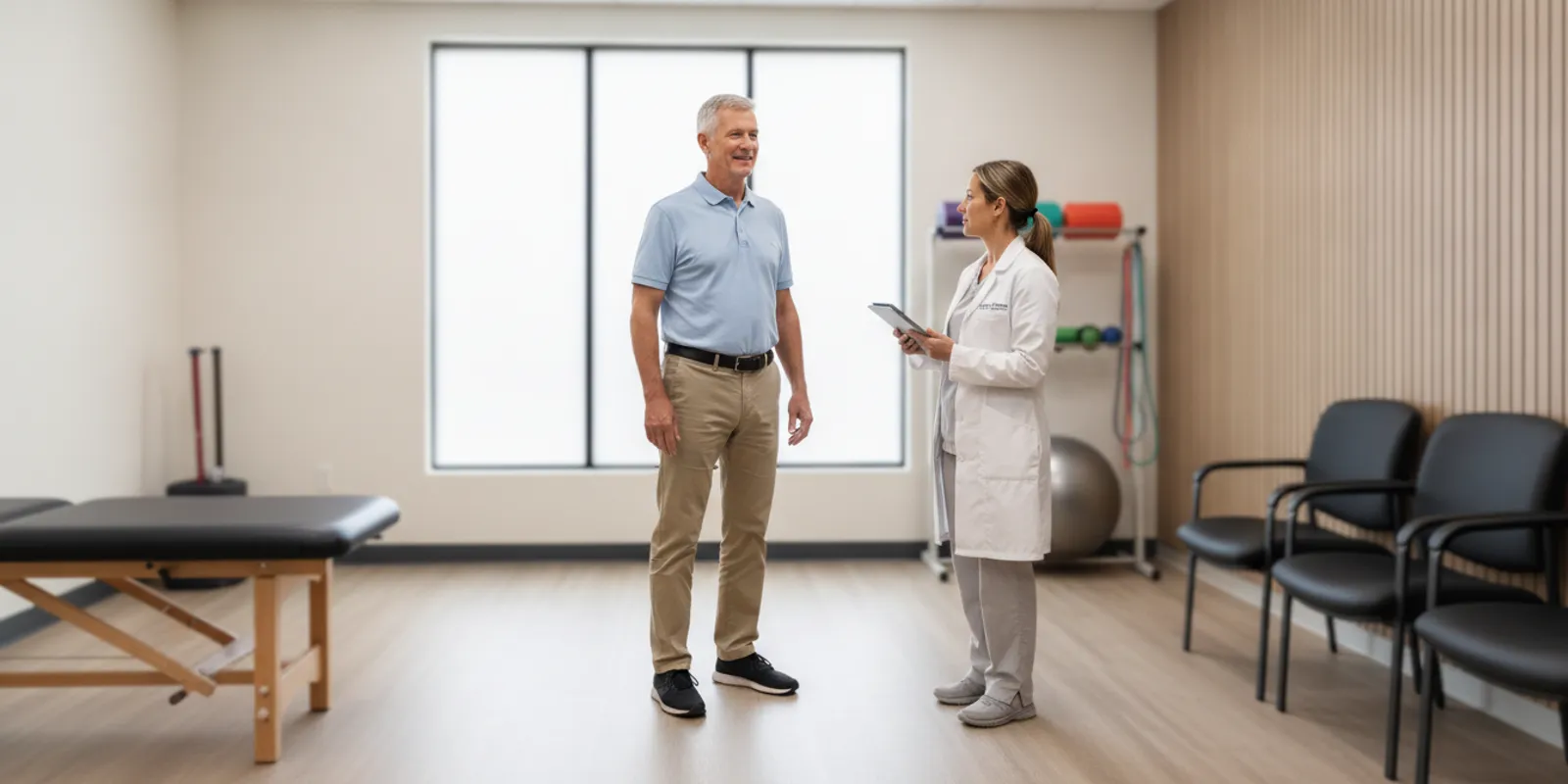
Getting help with posture may involve more than looking at whether someone stands straight. A careful evaluation can explore how posture changes during everyday tasks, what movements feel limited or uncomfortable, and which functional goals matter to the person. Posture is the way the body is held, and it can relate to comfort and movement, but one snapshot cannot explain every symptom or identify a diagnosis.
Explore care options and consultation information
What does posture mean in everyday life?
Posture describes how a person holds the body while sitting, standing, walking, reaching, lifting, or resting. It is not one fixed position that everyone must maintain. People naturally shift positions, and the position that feels comfortable can change with the task, the environment, fatigue, mobility, and personal history.
The Cleveland Clinic explains that posture is the natural way a person holds the body and that proper posture supports the spine and may help prevent common aches and pains. This is useful context, but it does not mean that every ache comes from posture or that one ideal alignment fits every person. A posture evaluation should consider the whole picture rather than treating a photograph or a single observation as a conclusion.
For example, a person who works at a counter may lean forward to see small details, while someone reading may change positions often to stay comfortable. A person may stand with weight shifted onto one leg because of habit, a work surface, or a temporary need to rest. Those observations can guide questions. By themselves, they do not establish why a person has discomfort or whether treatment is needed.
Why might someone seek help for posture?
People may ask about posture when sitting, standing, or working for a long time feels tiring; when they notice changes in balance or mobility; or when they want to feel more confident doing daily activities. Others are curious after noticing that they lean forward, round their shoulders, or favor one side. The concern may be about function rather than appearance: carrying groceries, reaching a shelf, using a computer, gardening, or taking a walk with less strain.
It is helpful to describe the actual situation that prompted the question. “My posture is bad” is broad. “I need to change positions after half an hour at my desk,” or “I feel unsteady when I turn to reach behind me,” gives a clinician a more practical starting point. The detail does not diagnose the cause; it helps shape a focused conversation about what to assess.
Posture is one factor among many that may be considered alongside strength, flexibility, coordination, activity patterns, medical history, sleep, and the demands of a person’s environment. Sometimes a concern calls for an assessment; sometimes a few adjustments to a task or workstation are enough to explore first. A clinician can help determine whether further evaluation is appropriate, and what kind of professional is best suited to the concern.
What information helps an evaluation?
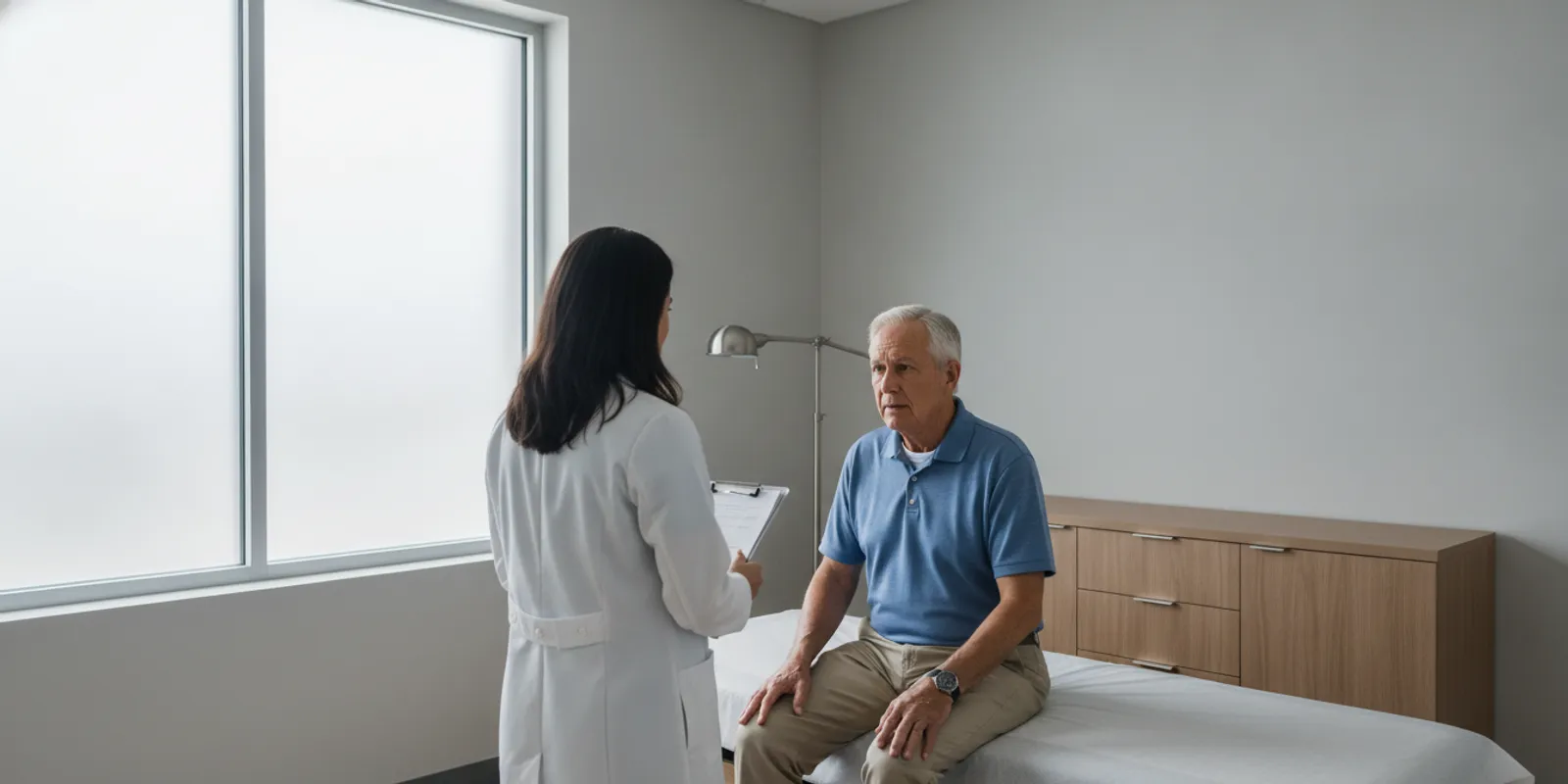
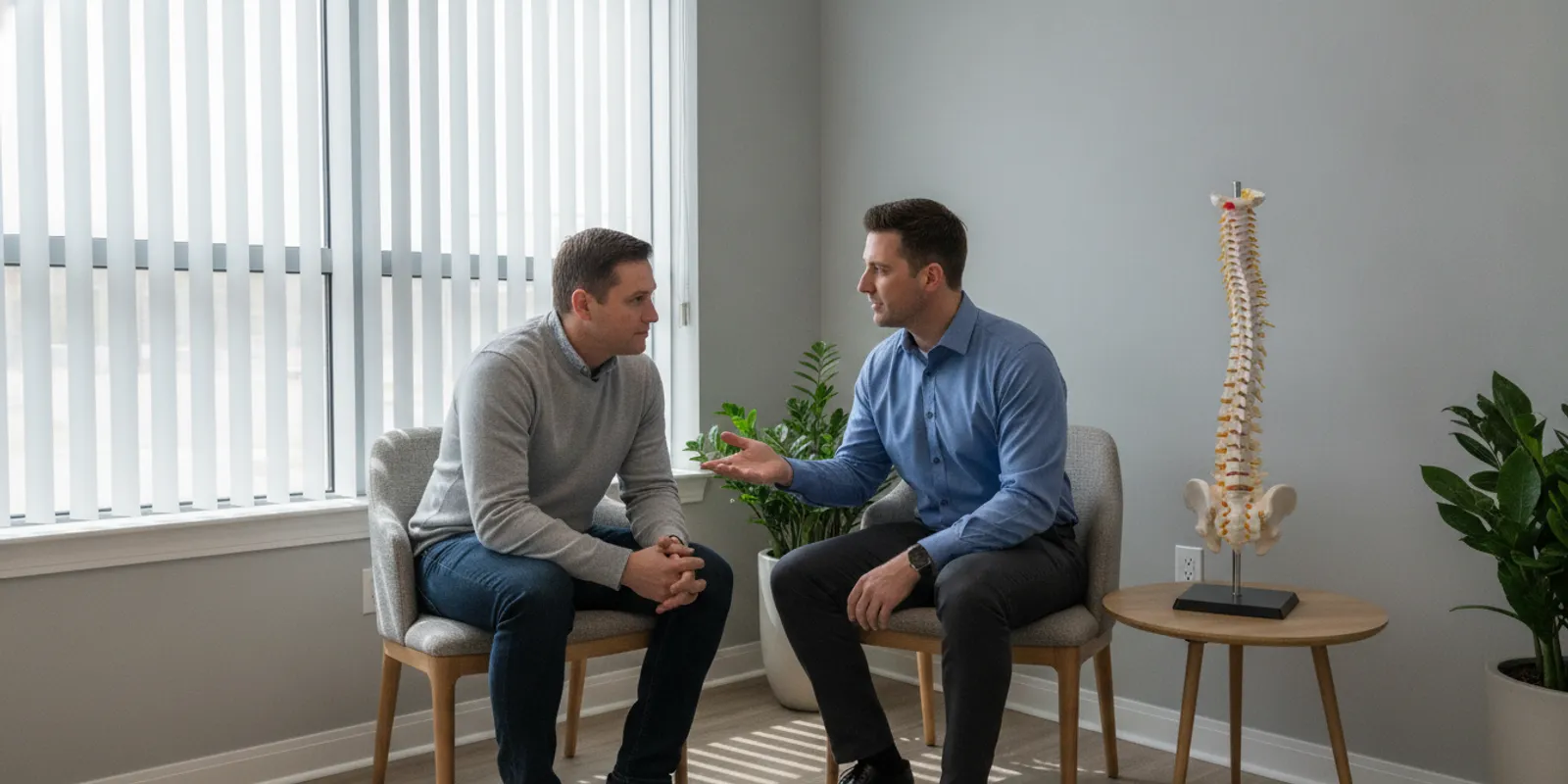
An evaluation often begins with a conversation. The clinician may ask what the person hopes to do more comfortably, when the concern started, whether it changes over the day, and which tasks are affected. They may ask about past injuries, relevant health conditions, current activity, and any care already tried. The person can share only what they are comfortable discussing, but useful context helps avoid making assumptions based on posture alone.
It can help to bring concrete examples. Think about a typical day: how long you sit, what work surfaces you use, whether you carry a bag on one side, what activities you have reduced, and which movements are difficult. If the concern varies, note when it tends to be better or worse. A short written list may be easier than trying to remember every detail during an appointment.
Goals also matter. One person may want to sit through a meal without frequent discomfort. Another may want to turn more easily while driving or feel steadier while walking. A third may want to maintain a hobby. These aims are more useful than a vague request to “fix posture,” because they describe a task that can be discussed and, where appropriate, monitored over time.
What may happen during a posture evaluation?
The exact process depends on the clinician, setting, and the person’s history. A posture assessment may include observation at rest and during movement, a review of relevant daily activities, and simple checks of mobility, balance, strength, or coordination when appropriate. The clinician should explain what they plan to assess and why, and should invite the person to speak up if a movement is uncomfortable or unclear.
A conversation about goals and history
The first part may clarify the person’s priorities and the context around the concern. A clinician may ask about the tasks that matter most, how long the issue has been present, and whether it is changing. They may also ask which positions or activities feel easier or more difficult. This discussion helps distinguish a general interest in posture from a specific functional problem that needs closer attention.
Observation in more than one position
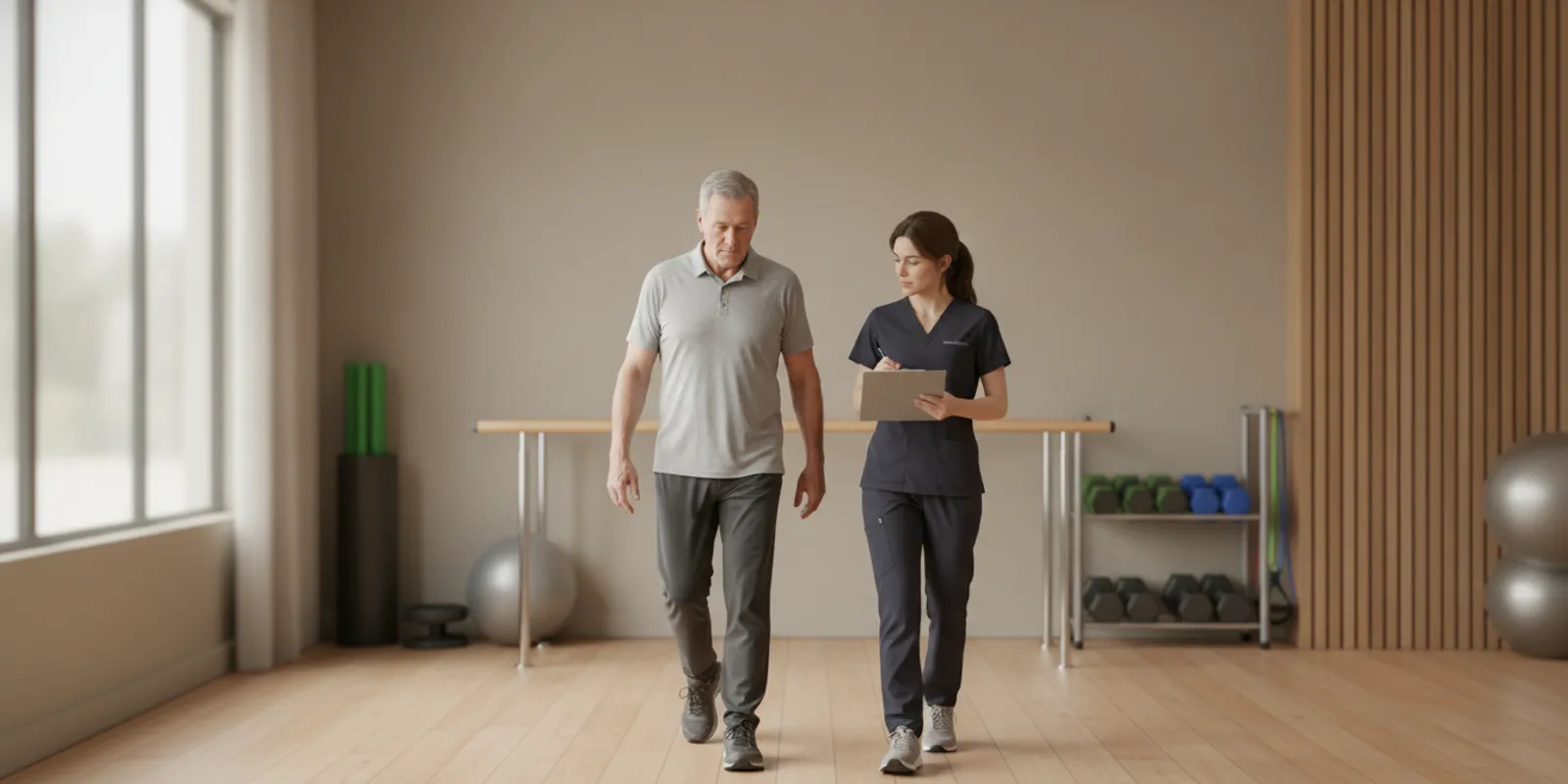
A clinician may observe sitting, standing, or walking, depending on the concern. They might look at how the head, shoulders, trunk, hips, and legs relate while the person performs a normal task. This is not a test of whether someone can hold a pose perfectly. The clinician may be interested in how the person moves into and out of positions, whether they adjust naturally, and what happens when a task changes.
Static observation has limits. A person may stand differently when they know they are being watched, and one posture does not show what happens after a long workday or during a familiar activity. That is why a clinician may ask the person to demonstrate a relevant task, such as reaching, turning, or sitting at a desk, if it is safe and useful to do so.
Movement and functional checks
Depending on the person’s needs, the clinician may ask them to move a joint, reach in different directions, change positions, or walk a short distance. They may consider how comfortably the movement occurs, how much support is needed, and whether one side behaves differently from the other. Some assessments may include simple strength, flexibility, balance, or coordination checks. These are selected based on the conversation, not applied as a universal checklist.
A movement that feels uncomfortable should not be forced simply to complete an assessment. The person can ask for an explanation, request a pause, or say that they do not want to continue. An evaluation should be collaborative and appropriate to the person’s circumstances.
Review of daily activities and environment
The clinician may ask what the person’s work or home setup is like. Useful details can include chair height, screen position, frequently used shelves, the amount of time spent in one position, and whether work requires repeated reaching or carrying. A brief discussion may reveal a practical change to consider, such as bringing a frequently used object closer or varying positions during a long task.
Work and home demands differ, so advice that sounds simple in general may not fit a particular person. A person may not be able to change a workstation, take frequent breaks, or avoid a repeated task. The evaluation can help identify what is realistic, rather than presenting a single posture rule as the answer for everyone.
How are care goals determined?
Care goals should be based on the person’s priorities, relevant findings, and what is appropriate for the clinician’s role and the person’s health context. A clinician may explain which observations seem relevant, what remains uncertain, and whether additional assessment or coordination with another provider should be considered. The aim is to make the next step understandable—not to promise that a particular posture or exercise will solve every concern.
Good goals describe a meaningful activity in clear terms. “Stand better” may be hard to evaluate. “Stand long enough to prepare a meal with fewer position changes,” or “turn to look over my shoulder more comfortably,” gives both the person and clinician something specific to discuss. The goal can be adjusted if the person’s needs change or if the first plan does not fit real life.
When appropriate, a clinician may discuss strategies such as changing position, adjusting a task, building activity gradually, or practicing movements selected for the individual. The details depend on the evaluation; they should not be assumed in advance. A plan should explain what the person is being asked to do, how it relates to their goal, and what to do if a movement causes a concerning response.
Progress does not have to mean holding a textbook pose all day. It may mean better tolerance for a task, more confidence changing positions, or a clearer understanding of what makes an activity easier. If progress is not happening as expected, the clinician and patient can revisit the goal, the plan, and whether another assessment or referral makes sense.
What questions can help clarify treatment options?
People do not need to arrive with technical language. Direct questions can make the evaluation easier to understand and help the person decide whether a proposed next step fits their priorities. Consider asking:
- Which part of my daily activity or movement are you assessing, and why?
- What did you observe, and what can’t be concluded from that observation?
- How does the suggested plan relate to the activity I want to do?
- Are there alternatives if a suggested activity is uncomfortable or impractical?
- How will we discuss whether the plan is helping with my stated goal?
- Should I speak with another healthcare professional about any part of this concern?
- What should prompt me to stop an activity and ask for guidance?
Clear answers should be specific to the person rather than a guarantee about results. If a plan is not clear, it is reasonable to ask for a simpler explanation or to take time to consider it. People can also ask how recommendations fit with their existing care and whether they should share the plan with another clinician.
How can posture and comfort be approached at home?
General awareness may help a person notice how a task feels, but self-observation cannot replace an evaluation when symptoms or functional limits need professional attention. Rather than trying to hold one rigid position, consider noticing whether a task feels easier when you change position, bring an object closer, or take a brief movement break. These are observations, not a prescribed treatment plan, and they may not be suitable for everyone.
Small environmental adjustments can be practical to discuss. For example, a person who often leans forward to see a screen could consider whether the screen is placed comfortably within view. Someone reaching repeatedly for an object might see whether it can be stored closer. A worker who stays in one position for long periods may consider whether the task allows occasional variation. If an adjustment worsens symptoms or feels unsafe, stop and seek appropriate advice.
Movement needs vary. There is no single posture schedule or set of exercises that can be recommended for every reader from an article. A clinician who understands the person’s history can help decide whether a specific activity is appropriate. If a person already has instructions from a healthcare professional, they should follow up with that professional before making significant changes.
When should a posture concern receive prompt attention?
A posture question is not always just a posture question. A sudden or significant change in function, a new injury, rapidly worsening symptoms, or symptoms that feel severe or alarming deserve timely attention from an appropriate healthcare professional. New weakness, numbness, balance problems, or difficulty with everyday tasks may warrant a medical discussion rather than an attempt to correct posture independently. For emergencies, contact emergency services.
This list is not a diagnostic tool. The right timing and type of care depend on the person’s circumstances. When unsure, contact a healthcare professional who can consider the whole history and guide the next step. An article cannot determine what is causing an individual’s symptoms.
How does a posture evaluation fit into broader care?
Posture may be one part of a larger conversation about mobility, comfort, recovery, and the ability to remain active. The relevant question is not simply whether a person’s shoulders or back look a certain way. It is whether there is a meaningful activity concern, what factors could be involved, and which options are appropriate to discuss. A broader assessment may consider function and the person’s own goals without assuming that posture explains every symptom.
Sigma Core Medical Center describes its scope as including physical medicine and rehabilitation, pain care, and other integrative services. Its services overview can help readers understand the areas the center discusses. A specific evaluation and any recommendations would depend on the person’s needs and the services available; this article does not establish that a particular posture intervention is offered or suitable for every reader.
For readers who are exploring a broader concern about discomfort or function, the center’s information about pain relief and care options may provide useful context. Someone interested in the practice’s approach can also review its about page. These pages are starting points for information, not a substitute for an individualized conversation or medical assessment.
How can you prepare for an appointment?
Preparation does not need to be complicated. Write down the main activity you want to improve, when the concern occurs, and any questions you want answered. If symptoms vary, a brief note about what you were doing when they changed can be useful. Bring a list of relevant medications or health conditions if appropriate, and share any prior evaluations or instructions that relate to the concern.
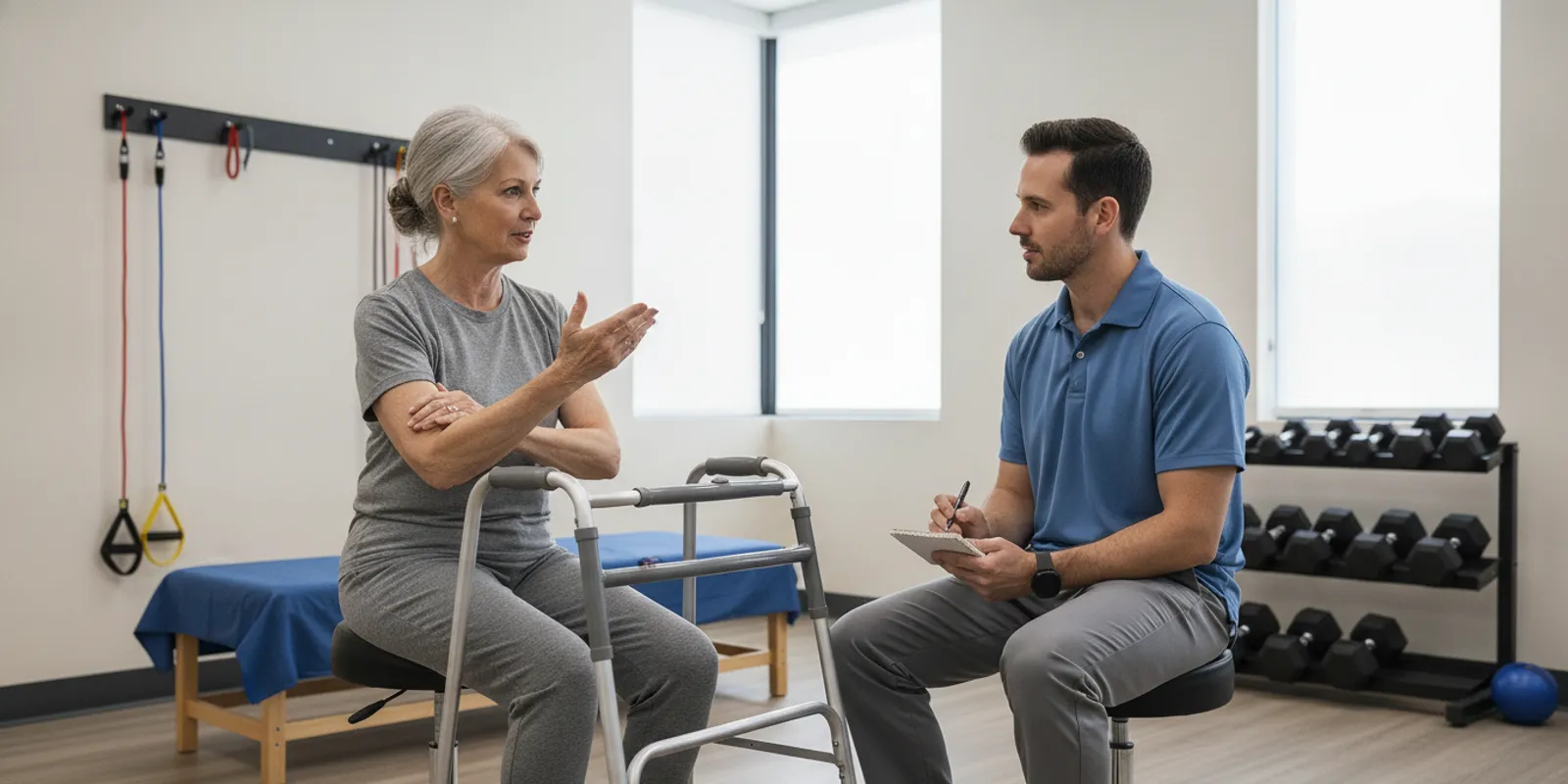
Wear clothing that allows comfortable movement if you expect to demonstrate a task. You can ask what the appointment will involve beforehand and whether a particular activity is expected. If you use a mobility aid or feel safer with support, mention that. You are not required to perform a movement that feels unsafe, and you can ask to pause at any time.
It can also help to be realistic about the outcome of one visit. An evaluation may clarify questions, identify what needs additional attention, or outline possible next steps. It may not settle every issue immediately. A careful discussion can still be valuable when it helps a person understand what was assessed, what remains uncertain, and how to make an informed decision.
Before leaving, consider repeating the plan in your own words. You might confirm which activity or concern the next step is meant to address, what the clinician expects you to notice, and when to check back if you have questions. If the plan includes a movement or a change to a daily task, ask for a demonstration or a simpler explanation rather than guessing. This can reduce confusion about what is optional, what should be avoided, and what should be discussed at a follow-up.
Practical constraints belong in the conversation too. Work schedules, caregiving responsibilities, transportation, fatigue, and the layout of a home can all affect whether a recommendation is realistic. If something does not fit, say so. A clinician may be able to clarify alternatives, adapt a goal, or explain whether a different resource is more appropriate. The point is not to meet an abstract standard of posture; it is to have a plan that makes sense for the person and their everyday priorities.
What should you take away from a posture evaluation?
A thoughtful posture evaluation looks beyond appearances. It may combine a conversation about goals and history with observation of posture, movement, and relevant daily tasks. The clinician uses that information to discuss possible next steps in a way that reflects the person’s circumstances, while recognizing that posture alone cannot explain every symptom.
Review services and consultation information
Focus on the activities you want to do, ask how each recommendation relates to those goals, and seek individualized guidance when symptoms or limitations need assessment.