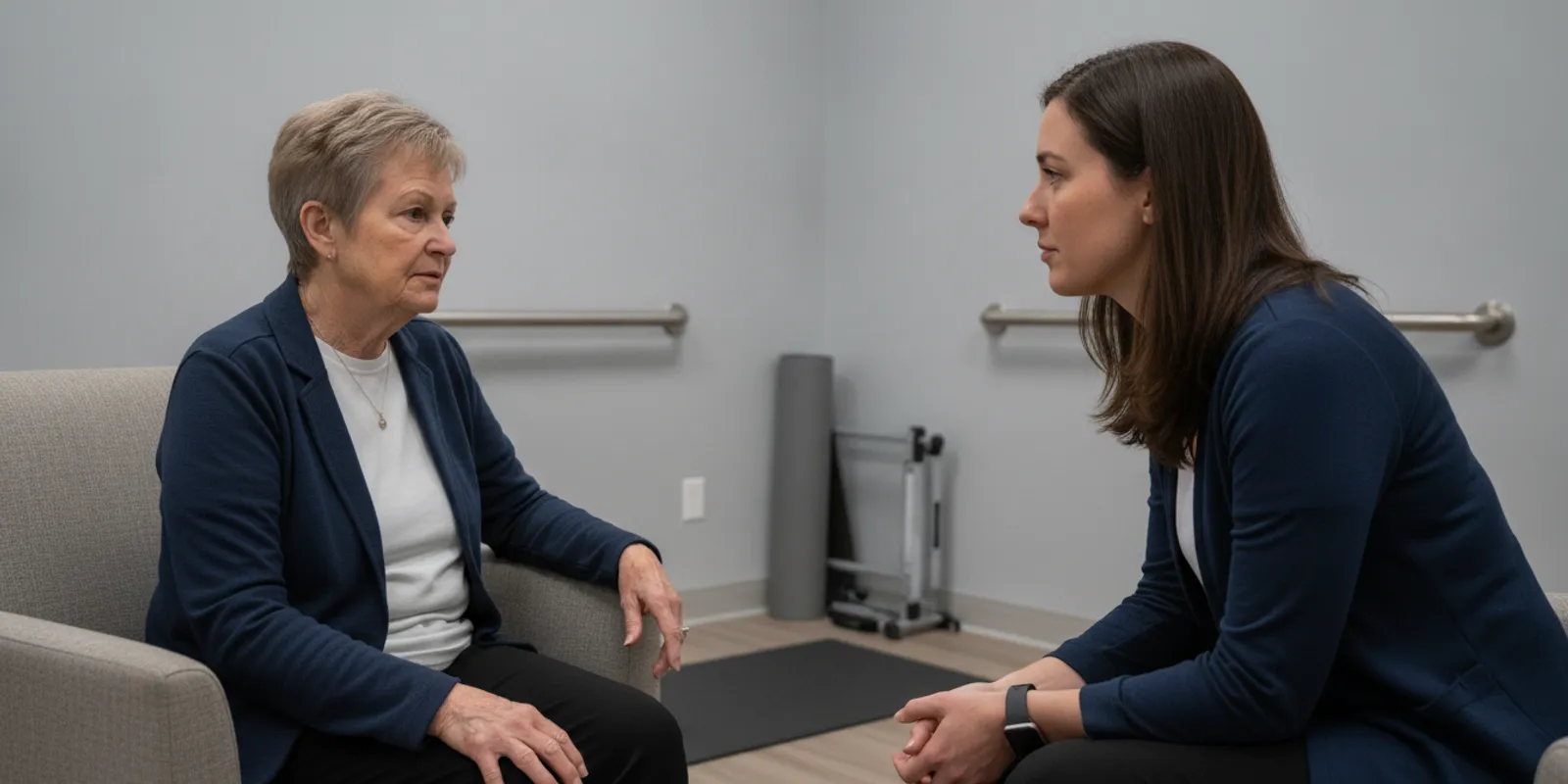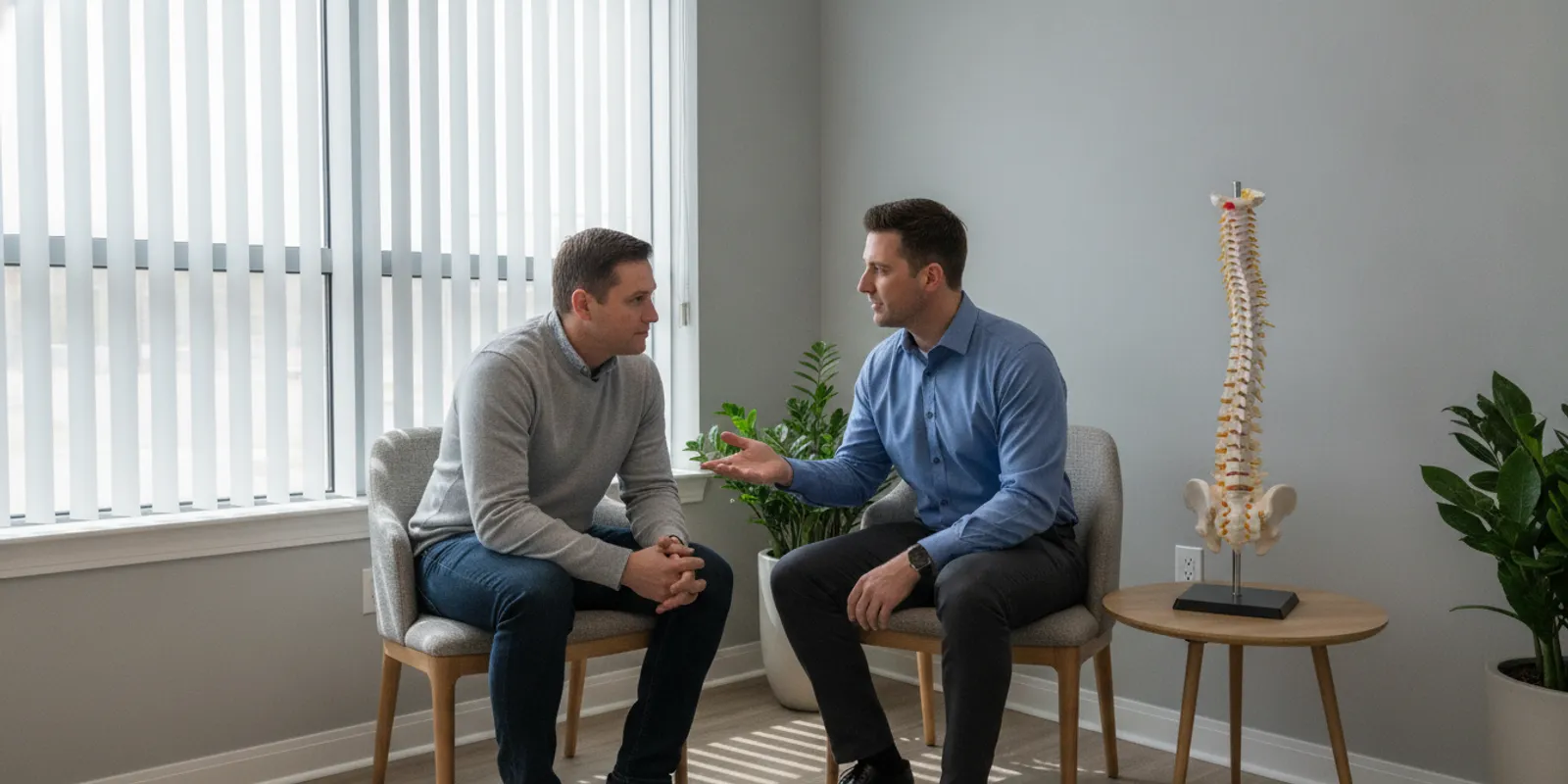
Rehabilitation for Slow Recovery After an Injury: What Helps
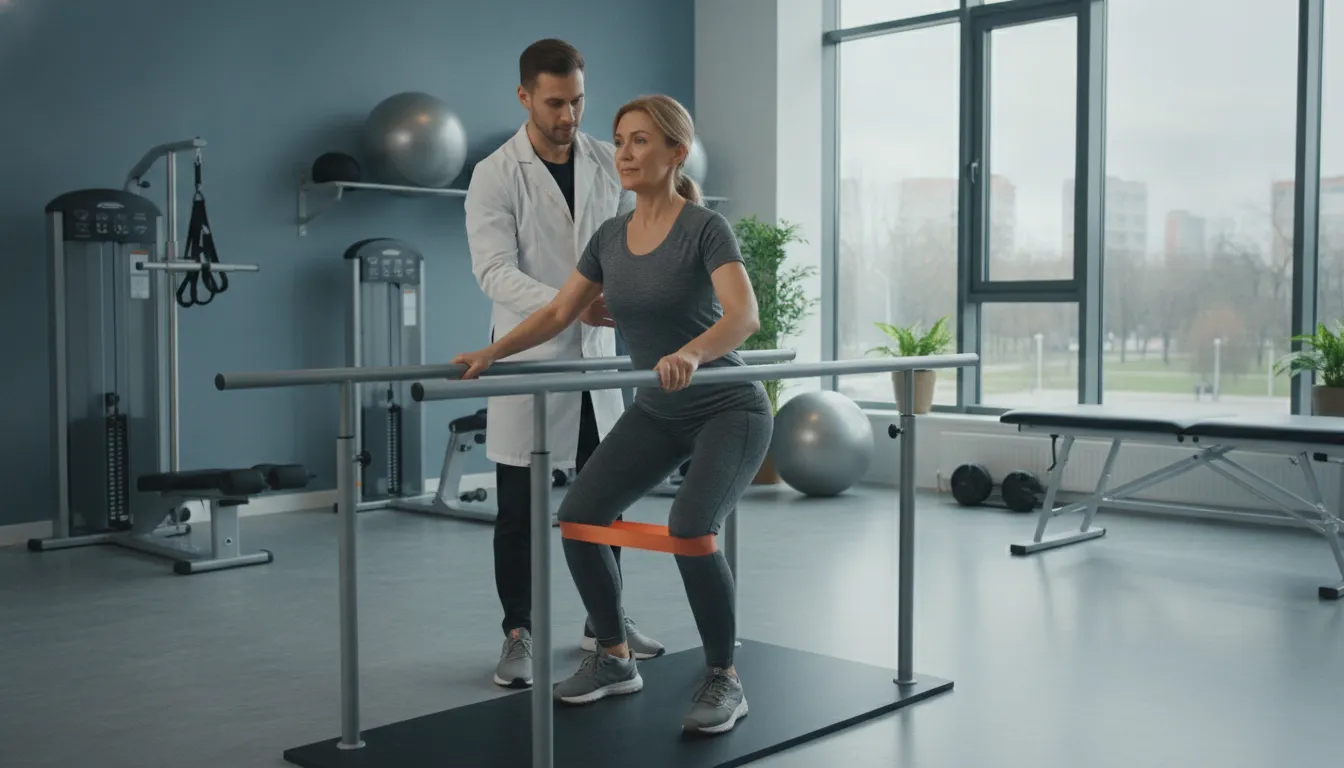
A slower recovery can feel especially frustrating when you’re used to staying active and handling daily tasks on your own. Perhaps a walk feels less steady, a joint remains stiff, or fatigue makes ordinary routines more demanding. These changes deserve attention, but they don’t automatically mean you can’t regain function. Rehabilitation for slow recovery after an injury starts with understanding your symptoms, health history, current abilities, and personal goals. A qualified healthcare professional can help identify what may be limiting progress and recommend appropriate movement, rest, or further evaluation. With clear guidance, you can focus on meaningful steps toward the activities that matter to you.
Key Takeaways
- Recovery is personal: Injury type, health, sleep, stress, and starting fitness can all shape your timeline.
- Pair rest with appropriate movement: Follow a clinician-guided plan and adjust activity based on how you feel during and after exercise.
- Track function and ask for support: Note changes in pain, strength, balance, and daily tasks, then contact your care team if symptoms worsen or progress stalls.
Why Does Injury Recovery Take Longer Than Expected?
Recovery can take longer than expected because healing depends on more than the injury itself. Your age, overall health, sleep, stress, and how you move while recovering can all affect progress. It’s also common for pain to improve before strength, balance, or confidence return.
A slower timeline does not automatically mean your recovery is going poorly. But if your symptoms are changing, daily tasks are getting harder, or progress has stopped, ask a healthcare professional to reassess your plan. The right next steps depend on your injury, health, and goals.
How injury severity, age, and health affect healing
A mild strain and a more serious injury to a tendon, ligament, or bone place different demands on the body. More extensive damage often takes longer to heal, and the injured tissue and its location can influence the timeline. Age may also affect recovery, but it does not determine what you can achieve.
Your overall health matters, too. Chronic conditions, past injuries, medications, and your strength and activity level before the injury can all shape how recovery feels. That’s why a timeline that worked for a friend or family member may not fit your situation.
If your recovery seems slower than expected, discuss your symptoms and goals with a healthcare professional. They can assess your function and decide whether your plan needs adjusting. This overview of injury recovery factors explains how injury severity, age, and general health can influence healing time.
How pain, movement fears, and compensation cause weakness or stiffness
Pain can change how you move. You might shorten your stride, avoid using an affected arm, or shift more weight onto one side. These adjustments can feel protective, but they may place extra demand on other muscles and joints. Over time, avoiding certain movements can contribute to stiffness, weakness, or discomfort elsewhere.
Feeling cautious after an injury is understandable. At the same time, avoiding movement altogether can make everyday activities feel harder and reduce confidence in the injured area. A rehabilitation plan can help you return to movement gradually and safely.
A clinician or other qualified professional can assess how you move and identify patterns that may be adding strain. They can suggest ways to modify activity and progress at a manageable pace. Read more about how movement compensation can affect recovery.
How returning too soon, inactivity, or inconsistent exercise can stall progress
Resuming strenuous activity before your body is ready can aggravate an injury or raise the risk of reinjury. But extended inactivity can also reduce strength, mobility, and stamina, making daily routines more difficult. Recovery often calls for a balance between appropriate movement and time to rest.
Consistency helps, but exercise should match your current ability and the guidance you’ve received. Follow your rehabilitation plan, and ask your healthcare professional how to adjust it if symptoms change. If an activity clearly increases pain or makes movement harder afterward, pause and discuss what happened before progressing.
Your clinician can help you decide how much activity and rest suit your injury and goals. This guide to rest and activity during rehabilitation explains why both may have a role in recovery.
How sleep, nutrition, stress, and other health needs affect recovery
Rehabilitation exercises are one part of recovery. Sleep, nourishing food, hydration, and stress management also support your ability to carry out daily activities and follow a treatment plan. When pain disrupts sleep or stress affects your energy, progress may feel more difficult.
Start with practical steps that fit your routine: keep a regular bedtime, include a variety of nourishing foods, drink fluids throughout the day, and make time for rest. You don’t need to change everything at once. If pain, appetite changes, or another health concern is affecting your routine, let your healthcare professional know.
They can help identify barriers and suggest additional support, such as advice from a registered dietitian. The UNC Sports Medicine Institute’s nutrition guidance outlines ways nutrition can support recovery.
Why persistent pain, stalled progress, or declining function needs attention
Some discomfort may occur during rehabilitation, but persistent or worsening pain deserves attention, especially if it limits daily activities or makes movement harder. Contact your healthcare professional if your strength, mobility, or balance is declining, or if progress has stalled despite following your plan.
Before an appointment, note when symptoms occur, which activities affect them, and how long it takes to feel better. These details can help your clinician reassess your movement, review your plan, and consider whether other health needs are affecting recovery.
Recovery can also be emotionally demanding. Worry about reinjury or frustration with a slower timeline can affect confidence and motivation. Share those concerns with your care team so they can take them into account alongside your physical progress. A gradual, supported approach can help you work toward everyday activities and personal goals.
How Does Rehabilitation Differ From Rest?
Rest and rehabilitation support recovery in different ways. Rest reduces demands on an injured area, which can help ease pain and give tissues time to settle. Rehabilitation adds planned movement to rebuild strength, mobility, balance, and confidence with everyday tasks.
The right balance depends on your injury, health, symptoms, and goals. A healthcare professional can help you decide when to rest, which movements are appropriate, and how to increase activity safely. The aim is not to push through pain or avoid movement altogether, but to find a manageable level of activity and adjust it as your recovery changes.
How safe movement restores strength, mobility, and balance
After an injury, pain or uncertainty can make you move less. Over time, reduced activity may affect muscle strength, flexibility, balance, and coordination. Rehabilitation introduces movement gradually, using exercises suited to your abilities and recovery needs.
A clinician or another qualified healthcare professional can assess how you move and identify areas to work on. Your plan might start with gentle range-of-motion exercises, then add strengthening or balance work as appropriate. These steps can make daily activities, such as walking or getting up from a chair, feel more manageable. Guided rehabilitation can help you build an exercise plan around your injury and adjust it as your function improves.
How inactivity can cause stiffness and reduce function
A short period of rest may help after an injury, but prolonged inactivity can make it harder to regain your usual abilities. Muscles may weaken, joints and nearby tissues can become stiff, and routine tasks may require more effort. This loss of strength and fitness during inactivity is called deconditioning.
For adults over 50, less activity can also affect balance and confidence, making it harder to return to familiar routines. That does not mean you should ignore pain or force movement. Ask a healthcare professional what level of activity fits your situation. Depending on your injury, gentle, appropriate movement may help maintain function while your body heals. If a movement makes symptoms worse, pause and discuss an alternative with your provider.
How to pace exercise and rest based on symptoms
A rehabilitation plan usually includes both activity and recovery time. Begin with movements that feel manageable, then increase their duration or difficulty in small steps if your symptoms allow. Pay attention to how you feel during exercise and later that day or the next morning. A noticeable increase in pain that lasts may be a sign to adjust the activity.
Rest between sessions can give your body time to recover, while suitable movement may help limit stiffness. Your healthcare professional can recommend how often to exercise and when to take a break. A gradual return to activity can help you avoid doing too much at once, then stopping altogether because symptoms flare.
When to modify activity instead of pushing through worsening symptoms
Some effort or mild, short-lived discomfort may happen during rehabilitation, but worsening pain deserves attention. If an exercise causes sharp pain, leaves symptoms worse for an extended period, or changes how you walk or move, stop and ask your healthcare professional whether to modify it. Pain is not a sign that you must work harder to make progress.
Depending on your plan, you may need to reduce the range of motion, do fewer repetitions, take longer breaks, or try a different movement. Favoring an injured area can also place extra strain on other muscles or joints, so tell your provider about new discomfort. Seek prompt medical advice for sudden severe pain, new weakness or numbness, or a major change in function.
Build a Safe, Personalized Rehabilitation Plan
A useful rehabilitation plan is built around your injury, your health, and the activities you want to return to. That might mean walking around the neighborhood, carrying groceries, gardening, or playing a favorite sport. Your current strength, mobility, balance, pain, and energy levels can all affect where to begin and how quickly to progress.
Work with a qualified healthcare professional, such as a physician or rehabilitation clinician, to decide which activities suit your needs. They can assess how you move, recommend exercises, and help you set realistic goals. Be sure to mention other health conditions, medications, previous injuries, and any concerns about pain or falling. These details can affect which movements are appropriate.
Recovery also depends on more than exercise. Sleep, nutrition, hydration, pain management, and rest can influence how you feel during rehabilitation and how consistently you can take part. Keep track of changes in symptoms and everyday function, then share them with your care team. Use the following steps as a starting point for building a plan together, and ask for guidance before making major changes to your activity or treatment.
Ask a healthcare professional to assess your movement, strength, health, and goals
An assessment can help identify what may be affecting your recovery and where to focus first. A clinician may look at your strength, range of motion, balance, and movement patterns. They can also consider your injury history and other health needs.
Describe the activities you want to return to and what feels difficult right now. Mention when pain occurs, what makes it better or worse, and whether you have noticed changes in balance, sleep, or daily function. Clear information helps your clinician set practical goals with you and recommend a starting point that reflects your abilities. If your symptoms or health change, let your care team know so they can reassess your plan.
Tailor rehabilitation to your injury, daily activities, fitness, and health needs
Rehabilitation should reflect the type of injury and the demands of your daily life. A plan for someone who wants to walk more comfortably may differ from one for someone hoping to return to strength training. Your current fitness, pain levels, stamina, balance, and other health conditions also matter.
Ask your clinician which activities to continue, which to modify, and whether a period of rest is appropriate. Some soft-tissue injuries may call for initial rest before a customized exercise plan, but the right approach depends on your circumstances. Share any concerns about arthritis, reduced mobility, or other conditions that affect movement. This helps your clinician choose exercises and daily activity goals that are relevant to you.
Use guided exercises to improve mobility, flexibility, strength, balance, and movement
Your exercise plan may include gentle movement, stretching, strength training, balance practice, or exercises that help you move with more control. Your care team can demonstrate each exercise, check your form, and adjust it to your current ability. The goal is to work toward better function without ignoring changes in your symptoms.
Begin with the version and amount recommended by your clinician. Avoid adding resistance or repetitions until you have discussed how to progress. If an exercise causes a marked increase in pain, feels unstable, or makes it harder to move, stop and ask for guidance. A clinician can assess what may be contributing to the response and suggest an alternative.
Learn to do home exercises safely and adapt them as symptoms change
Home exercises can help you follow your plan between appointments. Before practicing on your own, ask your clinician to demonstrate each movement and explain how often to do it, how many repetitions to complete, and what to watch for. If the instructions are unclear, ask for a written guide or another demonstration.
Keep a simple record of your exercises and how you feel during and after them. Note changes in pain, mobility, or daily tasks, and share this information at your next appointment. Tracking recovery can help you and your clinician assess progress and make informed adjustments. If a symptom changes or an exercise becomes difficult, contact your care team before increasing the effort or stopping the exercise altogether.
Progress gradually from everyday tasks to harder activities
Build toward more demanding activities in manageable steps. Depending on your goals, you might start with standing from a chair or walking around your home, then work toward longer walks, stairs, or recreational activities. Your clinician can help you decide what to practice next and what signs suggest you are ready to progress.
Notice how you feel during an activity and afterward. If pain increases significantly, balance feels less steady, or a task becomes harder, ease back and discuss the change with your care team. Progress may vary from week to week, so avoid comparing your recovery with someone else’s. Consistent progress tracking can help show whether goals are being met and maintained. Use those observations to guide adjustments with your clinician rather than testing your limits all at once.
Include pain management, sleep, nutrition, hydration, and rest
Exercise is one part of rehabilitation. Ask your healthcare professional how to manage pain and balance activity with rest, especially if discomfort interferes with sleep or daily tasks. Tell them if fatigue makes it difficult to complete exercises, since your plan may need to change.
Regular meals and enough fluids can help support energy for daily activities and rehabilitation. Your nutritional needs may depend on your health, medications, and the type of injury. The UNC Sports Medicine Institute outlines nutrition strategies that can support recovery. For advice tailored to you, ask your clinician or a registered dietitian, especially before taking supplements or making major dietary changes. Make time for rest, and discuss persistent sleep problems or changes in appetite with your care team.
How Can You Support Physical and Mental Progress?
Recovery involves more than watching pain levels. Mobility, strength, balance, confidence, and everyday function all offer clues about how you’re doing. Tracking these changes can help you spot progress, explain concerns to your healthcare professional, and make informed adjustments to your rehabilitation plan.
Track pain, mobility, strength, balance, and daily function
Keep a brief record of how you feel and what you can do. Once or twice a week, note your pain, mobility, balance, and how familiar tasks such as climbing stairs, getting dressed, or carrying groceries are going. If sleep or energy affects your activity, include that too.
Use the same measures each time so you can compare your notes. For example, record how long you can walk before resting, rather than relying only on a general sense that you feel better or worse. Share your notes with your care team. Monitoring rehabilitation progress can help clinicians understand how your plan is working and decide whether it needs adjustment.
Set realistic milestones and review progress with your healthcare professional
Choose goals that matter in your daily life, such as standing from a chair more comfortably, walking to a nearby shop, or reaching overhead with less difficulty. Break each goal into smaller steps and ask your healthcare professional what pace is appropriate. Progress may vary from week to week, so a slower period can be a cue to review your plan together.
Bring your notes to appointments and explain what feels easier, what remains challenging, and whether your goals still fit your needs. Your clinician can adjust your exercises, activity level, or schedule based on what you report. Tracking recovery outcomes offers a practical way to see changes over time and gives you and your care team useful information for planning next steps.
Notice how symptoms respond during and after activity
Notice how you feel during an exercise, later that day, and the following morning. You might record whether discomfort settles soon after activity, whether stiffness lasts longer than usual, or whether a routine task becomes harder. These patterns can help your healthcare professional understand how your body responds to your current activity level.
Follow the advice you’ve received about expected sensations and when to stop. If symptoms become more intense, last longer, or make it harder to move as usual, pause or reduce the activity and ask your care team what to do next. You don’t need to interpret every sensation on your own. Clear guidance can help you stay active within appropriate limits and make adjustments based on how you’re responding.
Manage stress and frustration with achievable goals, relaxation, and social support
Recovery can test your patience, especially when progress feels gradual. Focus on manageable actions, such as completing your recommended exercises, taking planned breaks, or asking for help with a difficult task. Slow breathing or another relaxation practice that suits your health and mobility may help you settle tension and stay engaged with your plan.
Tell friends or family what support would be useful. They might join you for a walk, help with errands, or listen when you feel frustrated. Goal setting and supportive self-talk can also play a role in recovery, as described in the American Orthopaedic Society for Sports Medicine’s guidance. Let your healthcare professional know if stress is affecting your sleep, motivation, or ability to take part in rehabilitation.
Address reinjury fears and low confidence through gradual, supported movement
It’s understandable to feel cautious after an injury, especially if a particular movement once caused pain. Rather than avoiding all activity, ask your healthcare professional which movements are suitable and how to practise them safely. Starting with manageable tasks and progressing with guidance can help you rebuild strength and confidence over time.
Ask what sensations are expected and which changes mean you should pause or check in. Knowing what to look for can make movement feel more predictable. If fear is keeping you from daily activities or exercises, bring it up with your care team. A plan that considers both physical and emotional recovery may help you return to activity at a pace that fits your needs. Strategies for rebuilding confidence after injury offer further ideas to discuss with your clinician.
Seek mental health support if anxiety, low mood, hopelessness, or isolation makes rehabilitation harder
Emotional strain can affect sleep, motivation, relationships, and your ability to take part in rehabilitation. If anxiety, persistent low mood, hopelessness, or isolation is making daily life or recovery harder, tell your healthcare professional. They can help you explore appropriate support, such as speaking with a mental health clinician or joining a support group.
You don’t have to wait until distress feels severe to ask for help. An injury can limit social activities and reduce contact with people who usually encourage you. Consider staying connected in ways that suit your energy and mobility, such as a phone call or a short visit. Research on the relationship between psychological well-being and injury rehabilitation underscores the value of addressing emotional needs alongside physical recovery.
When Should You Seek Professional Help?
Recovery rarely follows a perfectly straight line. Some days, movement may feel easier; on others, pain or stiffness may return. What matters is the overall pattern: whether you are gradually regaining strength and function, or whether symptoms are staying the same or getting harder to manage. If you are unsure what to expect, a healthcare professional can assess your injury, movement, strength, and other health needs, then help you decide on appropriate next steps.
Seek advice if pain continues, progress stalls, or daily tasks become more difficult. Also report symptoms that are new, worsening, or affecting your ability to move safely. Keep a brief record of when symptoms occur, what activities affect them, and how long they last. These details can help your care team understand what has changed and whether your rehabilitation plan needs an adjustment.
Ask for help before changing treatment or returning to strenuous activity, too. Recovery plans should reflect your symptoms and abilities, and the right activity level can change as you heal. If distress or fear is making it hard to move or take part in rehabilitation, mention that as well. Emotional well-being is part of recovery, and your care team can help you find suitable support.
Consult a healthcare professional if pain persists, progress stalls, or function declines
Contact a healthcare professional if pain continues without improvement, your progress has stalled, or you are losing abilities you had regained. This matters especially when symptoms interfere with sleep, walking, dressing, or other everyday tasks. Persistent pain does not always mean there is a serious problem, but it can be a reason to review your injury and recovery plan.
Before an appointment, note when pain occurs, what seems to ease or worsen it, and which activities have become difficult. This information can help your clinician assess your progress and discuss next steps. Avoid assuming that complete rest is the only option: prolonged inactivity may affect strength and function. Ask what movement is appropriate for you. Guidance on rehabilitation and rest explains why activity may need to be adjusted rather than stopped altogether.
Report new or worsening symptoms that make movement harder
Tell your healthcare professional if a symptom changes or begins to interfere more with movement. You might notice increasing stiffness, reduced strength, new swelling, or more difficulty standing or walking. Share when the change began and whether it followed a particular activity. Specific details can help your care team assess what may be affecting your recovery.
A clinician can evaluate your strength, mobility, and movement patterns to identify factors that may be limiting progress. The assessment may help determine whether an exercise needs to change or whether you need further medical evaluation. If symptoms are sudden or severe, or you cannot move safely, seek prompt medical advice rather than trying to push through.
Request a reassessment if your plan isn’t meeting your needs
Your rehabilitation plan should reflect your symptoms, progress, goals, and daily activities. Ask for a reassessment if exercises feel too difficult, repeatedly worsen your symptoms, or no longer seem suited to your current abilities. Let your clinician know if the plan does not account for other health concerns or the activities you hope to return to.
Before your appointment, note which exercises you can complete, how you feel during and afterward, and what remains difficult. Ask what adjustments might help, which symptoms mean you should pause, and how you will know when it is appropriate to progress. Regular monitoring gives clinicians a chance to identify which strategies are helping and which may need revision. Tracking progress during rehabilitation can help you prepare for that conversation. Avoid changing your treatment without guidance if you are unsure how a change may affect your recovery.
Seek support if distress or fear disrupts daily life or recovery
It is understandable to feel frustrated or worried after an injury. But if fear of reinjury keeps you from necessary movement, or anxiety and low mood are disrupting daily life, tell your healthcare professional. Emotional well-being can affect how comfortable you feel taking part in rehabilitation and returning to activities.
Your care team can help you set manageable goals and build confidence through gradual, supported movement. You might begin with a short walk or practice an exercise with supervision, then review how it felt. Support from friends, family, or a mental health professional may also help. If distress feels overwhelming, ask for help rather than handling it alone. University of Utah Health explains the role of mental readiness in injury recovery, including why emotional recovery deserves attention alongside physical progress.
Get professional guidance before changing treatment or resuming strenuous activity
Check with a qualified healthcare professional before stopping treatment, adding exercises, or returning to strenuous activity. This is especially important if you still have pain, have other health conditions, or are unsure whether a movement is suitable. A clinician can help you understand what is appropriate now and how to increase activity safely.
Ask practical questions: Which activities can I do? What symptoms mean I should pause? How should I build back toward my usual routine? A gradual return can help you increase activity in line with your symptoms and abilities. Moving ahead too quickly may set back progress, while avoiding movement for too long may affect strength and function. Medical guidance on returning to activity after an injury can help you prepare for a discussion with your care team.
Related Articles
- 7 Tips for a Fast Recovery from Your Injuries
- Sports Injury Rehab or Rest: What Your Body Really Needs
- Nutrition Strategies to Support Recovery
- The Mental Game of Injury Recovery: Overcoming Fear and Building Confidence
Frequently Asked Questions
How do I know whether I need rest or rehabilitation?\ It depends on your injury, symptoms, and health. Rest may be useful at certain stages, while guided movement can help maintain or rebuild function. Ask a healthcare professional which activities are appropriate for you and when to adjust them.
Is discomfort during rehabilitation normal?\ Some mild, short-lived discomfort may occur, but sharp pain or symptoms that worsen or linger deserve attention. Pause the activity and ask your healthcare professional whether to change the exercise or your activity level.
How can I tell if my recovery plan is working?\ Look beyond pain alone. Changes in mobility, strength, balance, confidence, and everyday tasks can offer a fuller picture. Keep brief notes about your symptoms and activities, then review them with your care team.
What should I do if my progress stalls?\ Contact your healthcare professional if progress stops, daily tasks become harder, or symptoms worsen. Share when symptoms occur, what affects them, and how your function has changed. Your clinician can reassess your needs and discuss possible adjustments.
When is it safe to return to strenuous activity?\ There is no single timeline that suits everyone. Ask your clinician how to build toward more demanding activity based on your injury, symptoms, and current abilities. Increase activity gradually and get guidance if pain or movement problems increase.