Rehabilitation Exercises for a Rotator Cuff Tear: Safe Guide
Shoulder pain does not have to dictate what you can do each day. A rotator cuff tear may affect your ability to dress, reach overhead, carry groceries, work around the house, or enjoy favorite activities such as golf and gardening. Rehabilitation exercises for rotator cuff tear recovery can improve mobility, strength, and control when they match your condition and healing stage. Starting with the wrong movement, resistance, or range can increase irritation, especially after surgery. Before exercising, learn what your diagnosis means, which symptoms require an evaluation, and how to progress gradually. With a personalized plan, rehabilitation can focus on practical goals, not just exercise repetitions.
Key Takeaways
- Confirm the cause of shoulder symptoms: Pain and weakness can have several causes, so seek an evaluation before beginning exercises, especially after an injury or sudden loss of strength.
- Follow a gradual, personalized program: Start with comfortable mobility, then progress to strengthening and daily activities as your shoulder heals. Post-surgery rehabilitation must follow your surgeon’s specific restrictions.
- Treat worsening symptoms as a warning: Stop exercises that cause sharp pain, sudden weakness, or lingering soreness. Reduce the workload and contact your care team if function declines or serious symptoms appear.
What Is a Rotator Cuff Tear, and What Causes It?
A rotator cuff tear is damage to one or more of the muscles or tendons that support the shoulder. The injury may develop gradually as a tendon becomes worn or weakened, or it may occur suddenly after a fall, forceful pull, or lifting accident. The tear can affect your strength, comfort, and ability to use your arm during everyday activities.
A proper diagnosis helps determine which rehabilitation exercises are appropriate. Your plan may be different if you have a small partial tear, a larger full-thickness tear, or a tear that was repaired surgically. Your age, overall health, activity level, and other shoulder conditions also influence your recovery plan.
Learn How the Rotator Cuff Supports Shoulder Movement
The rotator cuff consists of four muscles and the tendons that connect them to the upper arm bone. Together, these structures help keep the head of the upper arm centered in the shoulder socket. They also help you lift, lower, and rotate your arm with control.
The rotator cuff works with the shoulder blade, upper back, and deltoid muscle during movements such as reaching overhead, putting on a shirt, swimming, gardening, or placing an item on a shelf. When a tendon becomes irritated or torn, these activities may cause pain, weakness, or a feeling that the shoulder is unstable. The American Academy of Orthopaedic Surgeons’ rotator cuff conditioning program explains how the surrounding muscles support shoulder movement and stability.
Recognize Partial Tears, Full-Thickness Tears, and Tendon Damage
A partial-thickness tear damages only part of a tendon, while some of the tendon remains attached. A full-thickness tear extends through the tendon and may cause it to pull away from the bone. Tears can vary in size and location, so two people with the same diagnosis may have very different symptoms.
Some people experience considerable weakness or pain. Others have few symptoms, and a tear is discovered during imaging for another shoulder concern. Tendons may also develop gradual degenerative changes without one specific injury. An examination, and imaging when needed, can help clarify the problem before you begin a structured exercise program. The NHS guidance on exercises for a rotator cuff tear notes that exercise selection should reflect the injury and stage of recovery.
Identify Acute Injuries, Repetitive Strain, and Age-Related Changes
A fall, sudden pull, or lifting accident can injure a healthy tendon or worsen an area that was already weakened. Pain and weakness may appear immediately, and you may have difficulty raising your arm. Arrange an evaluation after a significant injury, especially if you cannot move the arm normally or notice a sudden loss of strength.
Repeated overhead activity can also place stress on the rotator cuff. Work, sports, and household tasks may contribute to tendon irritation when the shoulder does not have enough time to recover. Age-related changes can make tendons less resilient, but shoulder pain and loss of function are not simply problems you have to accept. The AAOS overview of rotator cuff tears explains how acute injuries, overuse, and tendon degeneration may contribute to a tear.
Match Exercises to Tear Severity and Location
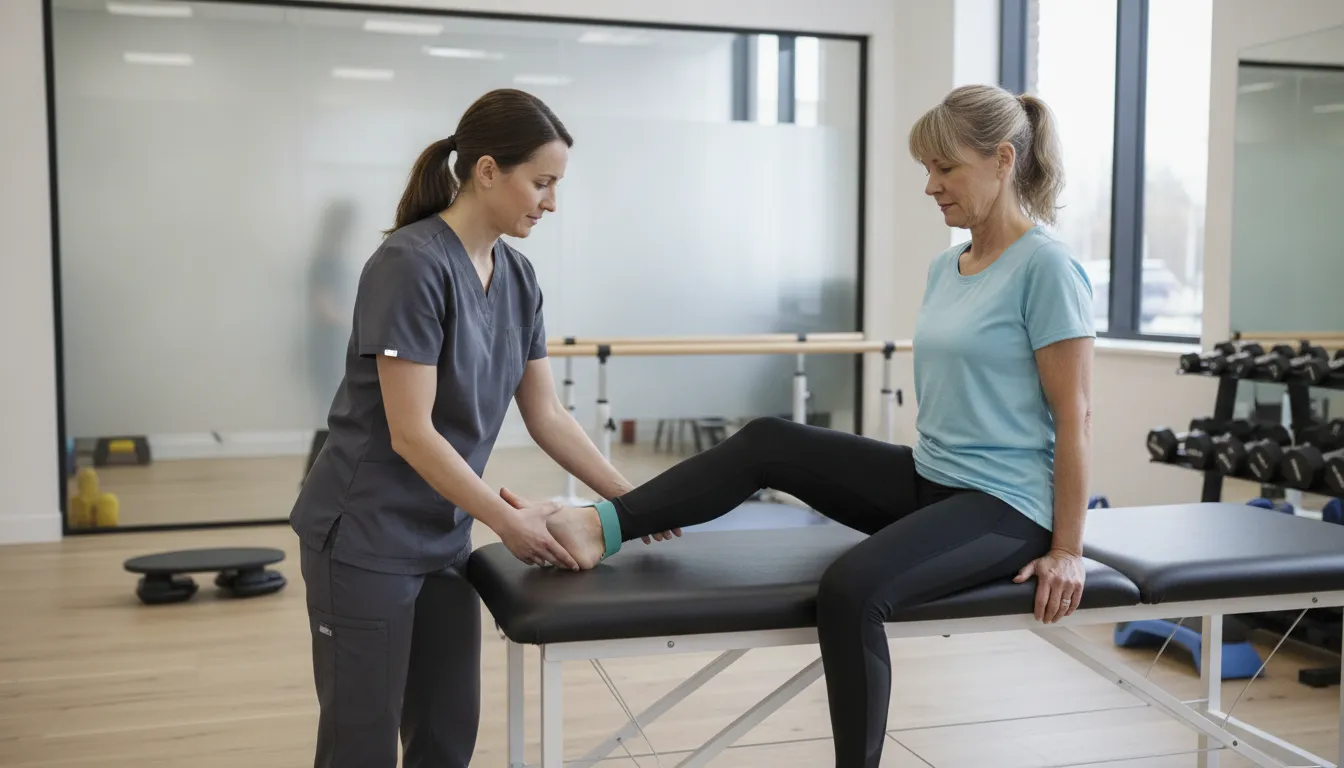
Rehabilitation exercises should reflect the tendon involved, tear size, current range of motion, strength, and pain level. Your plan should also account for whether you recently had rotator cuff surgery. Early treatment may focus on gentle mobility and movement of the elbow, wrist, and hand. Later, your clinician may add strengthening for the rotator cuff, shoulder blade, and upper back.
An exercise that feels comfortable for one person may aggravate another, particularly when the tear is large or symptoms are severe. Follow the instructions of your physician or clinician rather than copying a routine from the internet. A supervised program can help you improve useful shoulder function while limiting stress on the injured tendon.
Recognize Rotator Cuff Tear Symptoms
Rotator cuff tear symptoms can appear suddenly after a fall, awkward lift, or forceful movement. They can also develop gradually as the tendons change with age and repeated use. The symptoms vary widely. A small tear may cause mild discomfort, while a larger tear may lead to significant weakness and difficulty using the arm.
Pay attention to how your shoulder feels during everyday movements, not only during exercise. Note when the pain began, which activities trigger it, whether your range of motion has changed, and if symptoms affect your sleep. This information can help a clinician understand what may be happening and decide whether you need an examination or imaging.
Notice Pain During Lifting, Reaching, Dressing, or Side-Lying
Pain from a rotator cuff problem often appears when you lift your arm, reach overhead, place an item on a shelf, or reach behind your back. You may notice discomfort while putting on a shirt, fastening clothing, brushing your hair, or reaching across your body. Lying on the affected shoulder can also make the pain worse, particularly at night.
The Kingston and Richmond NHS guide to rotator cuff tears identifies lifting, reaching, dressing, and side-lying as common activities that may cause pain. Keep track of the movements that trigger symptoms, along with their intensity and effect on your daily routine.
Identify Weakness, Painful Movement, Limited Motion, and Night Pain
A rotator cuff tear may cause more than shoulder soreness. One arm might feel weaker when you lift, carry, push, or pull. You may still be able to move the shoulder, but pain can limit the motion. In other cases, the arm may feel unable to rise fully, even when the pain is manageable.
Reduced motion can make bathing, dressing, reaching into a cabinet, or placing items overhead more difficult. Night pain may interrupt sleep, especially when you roll onto the affected side. MD Ortho Specialists’ rotator cuff rehabilitation guidance lists weakness, painful movement, limited motion, and night pain among common symptoms. Notice whether the arm feels painful, weak, or both.
Distinguish Symptoms from Arthritis, Bursitis, Frozen Shoulder, or Neck Problems
Shoulder pain does not automatically indicate a torn rotator cuff. Arthritis may cause aching, stiffness, grinding, or discomfort that increases with joint use. Bursitis can cause pain during lifting or when you lie on the shoulder. Frozen shoulder typically causes progressive stiffness and difficulty moving the arm in several directions.
A neck problem may refer pain into the shoulder and arm, sometimes with tingling, numbness, or weakness. These conditions can occur alongside a rotator cuff tear, too. The Kaiser Permanente rotator cuff guide explains why several shoulder conditions may produce similar symptoms. A clinician will assess your neck, shoulder strength, joint motion, and injury history.
Understand Why Symptoms Alone Cannot Confirm a Tear
Pain and weakness can point to a rotator cuff problem, but they cannot show whether a tendon is irritated, partially torn, or completely torn. Some people have tendon changes on imaging without significant pain. Others have severe symptoms caused by inflammation, stiffness, arthritis, or another shoulder condition.
An evaluation usually begins with a physical examination. Depending on your symptoms and medical history, a clinician may also recommend an ultrasound or magnetic resonance imaging scan. The American Academy of Orthopaedic Surgeons’ rotator cuff guidance supports a thorough assessment when planning care. Arrange prompt medical attention after a fall, sudden loss of strength, or an inability to raise your arm.
What to Check Before Starting Rehabilitation Exercises
Rehabilitation exercises can help restore shoulder motion, strength, and daily function after a rotator cuff tear. However, the safest starting point depends on several factors, including the tear’s size and location, how long you have had symptoms, whether you had surgery, and your general health. An exercise that may suit a mild, non-surgical injury could be inappropriate after a repair or during an acute flare.
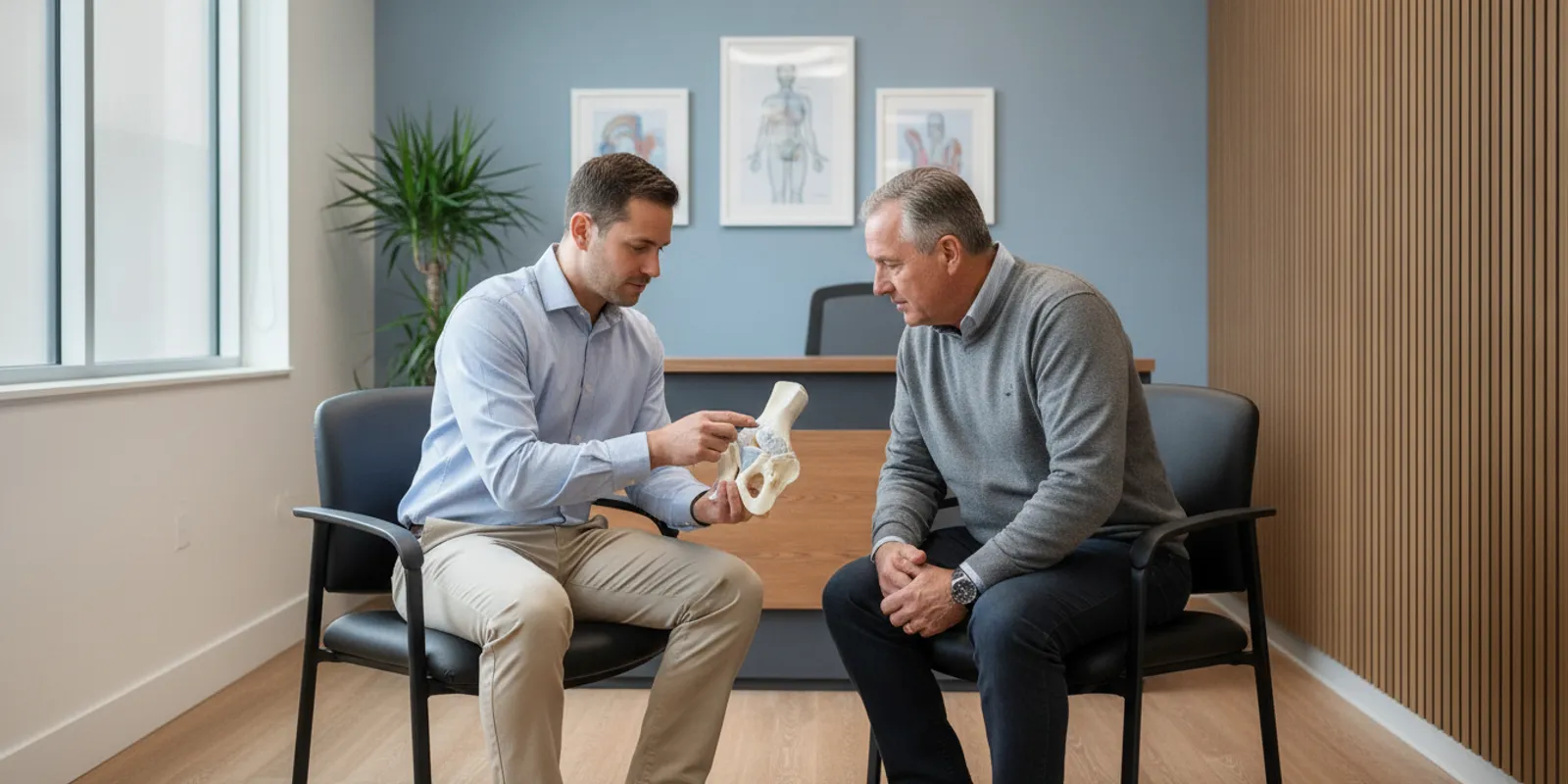
Before starting a program, arrange an evaluation with an orthopedic or rehabilitation clinician. The evaluation should identify the likely source of your symptoms and establish how much movement and resistance your shoulder can safely handle. Your provider may also consider arthritis, osteoporosis, diabetes, prior surgery, or possible neck involvement.
A personalized plan can help you avoid common mistakes, such as stretching into pain, lifting too soon, or using your neck and upper back to compensate for shoulder weakness. It also gives you a way to measure progress based on useful goals, such as reaching a shelf, putting on a shirt, sleeping more comfortably, or carrying light items.
Confirm the Diagnosis Through Examination and Imaging When Needed
Shoulder pain and weakness can result from several conditions, including arthritis, bursitis, frozen shoulder, tendon irritation, or a problem in the neck. Because these conditions can feel similar, symptoms alone cannot confirm a rotator cuff tear.
During an examination, a clinician may assess your active and passive range of motion, strength, tenderness, posture, and shoulder-blade movement. They may also observe how your shoulder responds to reaching, lifting, or rotating your arm. A sudden loss of strength after a fall or other injury may require more urgent evaluation.
Imaging is not necessary for every case, but it may help when symptoms persist, strength declines, or the diagnosis remains unclear. X-rays can show arthritis and bone changes. Ultrasound or magnetic resonance imaging may help assess the tendons and show the extent of a tear.
A structured rehabilitation plan should match both the injury and the stage of recovery. The MD Ortho Specialists rehabilitation guide explains why exercise selection and timing should be supervised rather than treated as a standard routine.
Compare Conservative Care With Post-Surgical Rehabilitation
Conservative treatment may be appropriate for some partial tears, tendon irritation, or age-related tendon changes. It may include activity changes, medication, injections when appropriate, and guided rehabilitation. The main goals are to reduce pain, restore comfortable motion, improve shoulder-blade control, and rebuild strength for daily activities.
Post-surgical rehabilitation follows a different timeline. After a rotator cuff repair, the tendon needs time to heal back to the bone. Early rehabilitation may focus on protecting the repair, reducing stiffness, and maintaining movement in the elbow, wrist, and hand. Active shoulder movement, resistance exercises, and lifting are added later according to the surgeon’s instructions.
A tear does not automatically mean surgery, and rehabilitation does not follow the same schedule for everyone. Your age, tissue quality, tear size, activity goals, symptoms, and response to treatment all matter.
Ask your clinician what the first phase should accomplish, which movements are allowed, and which activities should wait. Rehabilitation may also need to account for your goals, whether you want to sleep comfortably, return to golf, lift grandchildren, garden, or continue another activity that matters to you.
Follow Your Surgeon’s Restrictions After Rotator Cuff Repair
If you have had rotator cuff surgery, do not begin a general online exercise routine without clearance from your surgeon or clinician. Your surgeon may restrict active shoulder movement, lifting, reaching, or weight bearing for a set period. These limits protect the repair while the tendon heals, even if your pain begins to improve.
Your surgeon and care team should work from the same rehabilitation protocol. Keep a written list of permitted movements, restricted activities, and symptoms that require a call to your care team. Depending on the repair, you may need to use a sling, avoid supporting your body with the operated arm, or perform only clinician-guided passive motion during the early phase.
General exercise resources can provide education, but they do not replace your post-operative instructions. The AAOS rotator cuff and shoulder conditioning program is intended as general guidance, not an individual surgical protocol.
Healing time varies based on the repair and your health. Avoid comparing your recovery with another person’s timeline, especially if their tear, surgery, or rehabilitation plan was different.
Adapt Exercises for Arthritis, Osteoporosis, Diabetes, or Neck Symptoms
Other health conditions can change how you position the shoulder, select resistance, and monitor symptoms. Arthritis may limit motion and make certain end-range positions uncomfortable. Osteoporosis may call for extra caution with forceful loading and fall risks. Diabetes may affect healing or contribute to stiffness. Neck problems can also send pain, tingling, or numbness into the shoulder and arm.
Tell your clinician about your diagnoses, medications, previous surgeries, and any changes in sensation. Your clinician may support the arm, adjust the exercise angle, reduce resistance, shorten the session, or choose a different movement. They can also help distinguish expected muscle effort from symptoms that may suggest nerve irritation or another condition.
Exercise should not cause sharp or worsening pain. The AAOS shoulder conditioning guidance advises stopping an exercise and contacting a health care professional if it causes pain. Do not force a stretch or continue a movement just because it appears in a general program.
Establish Safe Baselines for Pain, Mobility, Strength, and Daily Function
Before your first session, record how your shoulder feels and what you can do comfortably. Note your resting pain, pain during movement, night symptoms, comfortable reach, ability to raise your arm, and tasks that are difficult. These may include dressing, washing your hair, reaching a shelf, fastening a seat belt, or carrying a light object.
Your clinician may measure shoulder motion, strength, posture, and movement quality. They may also look for shoulder-blade changes or neck compensation. If you lift your shoulder by shrugging or lean your trunk to reach, those patterns can shape your exercise plan.
Begin with gentle, controlled movements within a comfortable range. Add resistance or more challenging exercises only when your symptoms and form remain steady. The non-surgical rotator cuff exercise guidance emphasizes pain-free movement and avoiding heavy overhead lifting early in recovery.
Track how you feel during exercise and the next day. Increased night pain, new weakness, swelling, or soreness that does not settle may indicate that you need fewer repetitions, less resistance, a smaller range of motion, or a professional reassessment.
Set Recovery Goals for Rotator Cuff Tear Rehabilitation
A clear set of goals gives your rehabilitation plan direction and helps you measure progress beyond pain alone. Rotator cuff recovery may focus on restoring comfortable movement, rebuilding strength, improving shoulder control, and making daily activities easier. Your goals should reflect the size and location of the tear, whether you had surgery, your overall health, and the activities you want to resume.
Start by identifying what you need your shoulder to do. You may want to dress independently, reach overhead, sleep more comfortably, return to golf, or carry groceries without hesitation. Share these priorities with your clinician. They can use them to create a staged program that protects the tendon while gradually increasing its workload.
Your clinician may also establish baseline measurements for motion, strength, pain, and function. These measurements make it easier to recognize small improvements, especially when recovery feels slow. The American Academy of Orthopaedic Surgeons’ shoulder conditioning program emphasizes restoring flexibility, strength, and function with professional guidance.
Restore Comfortable Shoulder Mobility Without Straining the Tendon
Early mobility work helps prevent stiffness while protecting injured or repaired tissue. Depending on your condition, your clinician may recommend pendulum exercises, table slides, or wand-assisted movements. These exercises let the shoulder move with less active effort from the healing muscles.
The goal is controlled movement within a comfortable range, not forcing your arm to move as far as possible. Mild stretching or effort may be expected, but sharp pain, catching, or increasing soreness calls for a pause and reassessment. After surgery, follow the specific range restrictions provided by your surgeon. Rotator cuff rehabilitation guidance explains how gentle mobility often fits into a gradual recovery plan.
Rebuild Rotator Cuff, Shoulder-Blade, and Upper-Back Strength
As motion improves and symptoms settle, strengthening becomes an important recovery goal. The rotator cuff works with the shoulder-blade and upper-back muscles to keep the upper arm centered during movement. Weakness in these areas can affect reaching, lifting, pushing, and carrying.
Your program may progress from gentle isometric exercises to resistance-band rotations, rows, or side-lying external rotation. Perform each movement slowly and avoid shrugging, swinging, or using momentum to complete a repetition. Your clinician may change the resistance, number of repetitions, or range of motion according to your response. After rotator cuff repair, wait for clearance before beginning strengthening exercises.
Improve Posture, Movement Quality, and Shoulder Stability
Shoulder recovery involves more than lifting heavier weights. Your shoulder also needs to move with good alignment and control. Rehabilitation may include shoulder-blade setting, scapular retraction, wall slides, or other exercises that help the shoulder blade support arm movement.
Keep your neck relaxed and avoid pulling your shoulder toward your ear. Your clinician may observe your shoulder blade as you raise and lower your arm, then adjust the exercise to improve coordination. Better movement quality can reduce unnecessary strain and help you use your strength more efficiently. The AAOS shoulder conditioning program includes exercises that address shoulder-blade control and overall shoulder function.
Support Dressing, Reaching, Lifting, and Other Daily Activities
Your most useful goals are connected to the tasks you want to complete. These might include putting on a shirt, fastening a seat belt, washing your hair, reaching a shelf, carrying groceries, or sleeping on your preferred side. Tell your clinician which activities feel difficult so your treatment plan addresses your routine.
Your clinician can divide each task into manageable steps. You may begin with reaching at waist level, then progress to shoulder height and eventually to light overhead activity. Lifting goals should consider both the weight and the position of your arm, since reaching away from your body usually places more demand on the shoulder. The AAOS rehabilitation guidance connects shoulder conditioning with daily function and a gradual return to recreation.
Set Realistic Goals for Active Aging, Independence, and Shoulder Function
Recovery does not need to mean returning to every activity you performed earlier in life. A meaningful goal may be dressing independently, sleeping comfortably, caring for your home, playing with grandchildren, or continuing a favorite hobby. Your plan should also account for arthritis, bone health, diabetes, neck symptoms, previous injuries, and other conditions that may affect healing or exercise tolerance.
Use specific milestones to track progress. For example, you might aim to raise your arm to a certain height, complete a household task, carry a light item, or perform your prescribed exercises with steady form. Progress can be gradual, and a short plateau does not necessarily mean treatment has failed. Once your shoulder is stronger, continuing an appropriate maintenance program may help preserve mobility and shoulder health, as described in AAOS guidance on shoulder conditioning.
Phase 1: Practice Gentle Mobility Exercises
Early rehabilitation focuses on maintaining comfortable shoulder movement without placing unnecessary stress on a healing tendon. Your starting point depends on the tear’s size and location, your pain and strength, and whether you have had surgery. After rotator cuff repair, follow your surgeon’s timeline closely. Movements that may be suitable for a nonsurgical tear could be restricted while the tendon heals.
Keep each exercise slow and controlled. A mild stretch or gentle effort may be acceptable, but sharp pain, sudden weakness, catching, or worsening soreness means you should stop. The AAOS rotator cuff conditioning program recommends staying within a comfortable range and progressing only with guidance from your healthcare professional.
Perform Pendulum Swings With a Relaxed Arm
Pendulum swings can help maintain gentle shoulder movement while limiting active effort from the shoulder muscles. Stand beside a sturdy table or countertop and place your stronger hand on the surface for support. Let the affected arm hang toward the floor, keeping your shoulder and neck relaxed.
Use small movements to sway the arm forward and backward, side to side, or in gentle circles. Let the motion come from your body rather than actively lifting the shoulder. Keep the circles small, particularly if the shoulder is painful or recently repaired. The MD Ortho Specialists guide to rotator cuff exercises explains how pendulum movements can support mobility without demanding strong shoulder-muscle effort.
Complete Table or Countertop Slides Within a Comfortable Range
Table slides allow you to practice shoulder movement while the surface supports some of the arm’s weight. Sit or stand facing a table or countertop. Place your hand, or both hands if instructed, on a towel or smooth surface. Slowly slide the affected arm forward as your torso leans slightly toward the table.
Move only as far as you can without sharp pain, pinching, or catching. Pause briefly, then return to the starting position without pulling the arm back. As comfort improves, you may gradually increase the distance, but do not force the final part of the movement. Wall slides may be added later when you can control the arm more easily. Your clinician can determine when this progression is appropriate.
Use a Wand to Assist Shoulder Flexion and External Rotation
A cane, dowel, or exercise wand can help your stronger arm guide the recovering shoulder through a controlled range. For assisted shoulder flexion, lie on your back with both hands holding the wand. Use the stronger arm to help raise the affected arm overhead, stopping before pain or firm resistance develops.
For external rotation, keep the affected elbow close to your side and bent at about 90 degrees. Use the stronger arm to gently move the affected forearm outward. Keep the elbow from drifting away from your body, and do not force the shoulder into a deeper position. Kaiser Permanente’s rotator cuff exercise instructions show the basic setup, but your clinician should set the appropriate range after surgery or a significant tear.
Practice Passive Internal Rotation With a Stick When Cleared
Passive internal rotation uses a stick to guide the affected arm behind your back. This exercise is not appropriate for every person or every stage of recovery. Ask your clinician or surgeon before adding it, especially after rotator cuff repair, when internal rotation may be restricted while the tendon heals.
When cleared, hold a light stick behind your back with both hands. Use the stronger arm to slowly guide the affected hand upward or across the lower back. Stop at a mild stretch, and never pull forcefully. Keep your torso upright instead of twisting to create more movement. The AAOS shoulder conditioning program includes passive internal rotation as a gradual exercise, with repetitions and frequency adjusted to your care plan.
Move the Elbow, Wrist, and Hand During Protected Recovery
When the shoulder needs protection, the rest of the arm can still benefit from gentle movement. Several times a day, slowly bend and straighten the elbow. Open and close your hand, move your fingers, and make comfortable wrist circles. These small exercises help maintain movement while shoulder activity remains limited.
Keep the shoulder relaxed and avoid lifting the arm to perform these movements. If you wear a sling, ask your care team when to remove it for exercise and how to support your arm safely. Stop if you notice increasing swelling, numbness, tingling, color changes, or worsening pain. The Kingston and Richmond NHS exercise guide offers additional guidance, but your own medical restrictions take priority.
Use Breathing, Positioning, and Safe Range Limits
Your position can make gentle mobility exercises more comfortable. Support your arm with a pillow when lying down, keep your neck relaxed, and avoid hiking the shoulder toward your ear. Take slow breaths instead of holding your breath, especially as the arm reaches the edge of its comfortable range. A relaxed grip can also reduce unnecessary tension in the neck and upper back.
Use your symptoms and next-day response as feedback. Mild effort or a light stretch may be reasonable, but exercise should not cause sharp pain or steadily increase your symptoms. If soreness continues into the next day, reduce the range, repetitions, or frequency. Contact your clinician if symptoms do not settle. The AAOS exercise guidance advises stopping and seeking professional guidance when an exercise causes pain.
Phase 2: Build Strength After Mobility Improves
When your shoulder moves more comfortably, rehabilitation can shift toward gentle strengthening. This phase helps the rotator cuff, shoulder-blade muscles, and upper back support the joint during reaching, dressing, lifting, and other daily activities. Strength exercises should begin only when your clinician confirms that your mobility and tissue healing are ready, especially after surgery or a full-thickness tear.
Your clinician may start with isometric exercises, which activate the muscles without requiring much shoulder movement. As your control improves, you may progress to light resistance bands and small weights. The American Academy of Orthopaedic Surgeons shoulder conditioning program offers general guidance, but your plan should reflect your tear, symptoms, strength, and recovery stage.
A mild effort or gentle stretch can be acceptable. Sharp pain, sudden weakness, catching, or worsening symptoms is not. Move slowly, keep your neck relaxed, and avoid holding your breath. If your shoulder feels noticeably worse later that day or the next morning, reduce the resistance, range of motion, or repetitions. After rotator cuff repair, follow your surgeon’s restrictions even if an exercise seems easy.
Set the Shoulder Blades Without Shrugging or Force
Sit or stand tall with your arms relaxed at your sides. Without lifting your shoulders toward your ears, draw your shoulder blades gently down and back, as though they are moving toward your back pockets. Hold for about five seconds, then relax fully.
Keep the movement small. Do not pinch your shoulder blades together forcefully, arch your lower back, or tighten your neck. Breathe normally throughout the exercise. If your clinician approves, begin with 8 to 12 repetitions.
This exercise helps you recognize how the muscles around your shoulder blades work together. That awareness can make later strengthening movements steadier and more controlled. The AAOS rotator cuff conditioning program includes controlled shoulder-blade and upper-back exercises as part of rehabilitation.
Perform Isometric External and Internal Rotation With the Elbow at Your Side
Stand beside a wall or doorframe with your affected elbow bent to 90 degrees. Keep the elbow gently against your ribs. You can place a small towel between your elbow and side if that position feels more comfortable.
For external rotation, press the back of your hand outward into the wall without letting your arm move. For internal rotation, press your palm inward against the wall or another stable surface. Use light effort, hold for about five seconds, and then relax. If your clinician approves, begin with 8 to 12 repetitions in each direction.
Keep your shoulder down, wrist straight, and torso still. Do not twist or push hard enough to cause pain. The Kaiser Permanente rotator cuff exercise guide provides examples of similar low-load strengthening exercises.
Add Isometric Flexion and Extension When Cleared
Your clinician may add isometric flexion and extension after you can perform rotation exercises comfortably. For flexion, face a wall and make a loose fist. Press the front of your fist gently into the wall without allowing your shoulder to move forward.
For extension, stand with your back near a wall and press your elbow backward into it. Hold each contraction for about five seconds, then release slowly. Use only a small amount of effort. The goal is to activate the muscles, not to push forcefully.
Keep your ribs stacked over your pelvis, your neck relaxed, and your breathing steady. These exercises may not be suitable during every stage of recovery. After rotator cuff repair, your surgeon may restrict active contractions while the tendon heals. Follow those instructions instead of relying on a general timeline.
Progress From Isometrics to Light Resistance-Band Rotations
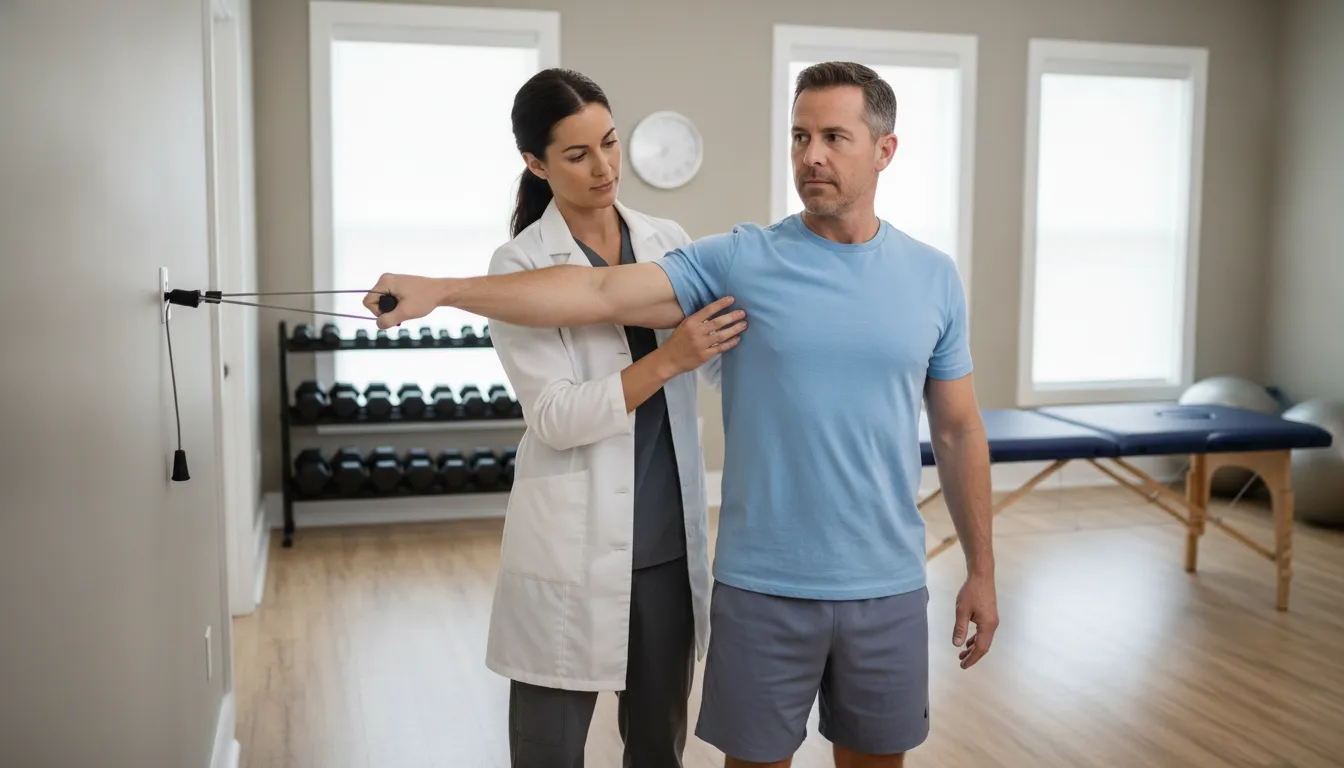
When isometric exercises feel manageable and your shoulder remains comfortable afterward, your clinician may introduce a light resistance band. Secure the band at elbow height and stand with your elbow bent to 90 degrees. Keep the elbow near your side as you slowly move your forearm outward for external rotation. Return to the starting position with control.
For internal rotation, turn so the band pulls your forearm away from your body. Gently bring the forearm inward while keeping your upper arm still. Use a light band and a short range at first. Do not shrug, twist your torso, or let the band snap your arm back.
Focus on smooth movement rather than stronger resistance or more repetitions. The AAOS rotator cuff program describes resistance exercises as part of progressive rehabilitation. Stop if you feel sharp pain, catching, or new weakness.
Practice Side-Lying External Rotation Without Momentum
Lie on your non-injured side with your head supported. Rest the affected arm against your body and bend your elbow to 90 degrees. Keep the elbow gently against your ribs throughout the exercise.
Begin without weight, or use a very light weight only when your clinician approves it. Keeping your elbow in place, rotate your forearm upward through a comfortable range. Pause briefly, then lower the arm slowly. Avoid rolling your shoulder backward, lifting your elbow, or swinging the weight.
A small movement performed with control is more useful than a larger movement that causes compensation. Start with 8 to 12 repetitions if prescribed. If you feel pain at the front or top of the shoulder, your clinician may adjust the range, add towel support, or select another exercise.
Add Cross-Body or Sleeper Stretches When Prescribed and Tolerated
Stretching may be added once your shoulder has enough healing and mobility. For a cross-body stretch, bring the affected arm gently across your chest. Use your other hand to support it above the elbow. You should feel a mild stretch behind the shoulder, not sharp pain or pinching. Hold for 15 to 30 seconds, then release slowly.
A sleeper stretch involves lying on your side while carefully positioning the affected shoulder and elbow. The forearm then moves toward the bed. This position can irritate some shoulders, so do not add it without specific instructions from your clinician.
Avoid bouncing, forcing the end range, or stretching through pain. Your clinician may recommend one stretch and not the other based on your tear, stiffness, surgical history, and symptoms. The AAOS shoulder conditioning guidance supports gradual flexibility work, but every stretch should remain controlled and comfortable.
Phase 3: Build Strength and Functional Control
Phase 3 helps your shoulder handle light resistance, controlled weight bearing, and the movements required for daily life. You may be ready for this stage when your range of motion has improved, earlier exercises no longer cause a flare, and your clinician confirms that progressive strengthening is appropriate. If you had rotator cuff surgery, follow your surgeon’s timeline and restrictions instead of using a general exercise guide.
The goal is steady control, not maximum effort. Keep your breathing relaxed and pay attention to how your shoulder blade moves. Mild muscle fatigue may be acceptable, but sharp pain, catching, sudden weakness, or increased symptoms that last into the next day are reasons to stop. The American Academy of Orthopaedic Surgeons shoulder conditioning program offers additional guidance on gradual shoulder strengthening.
Before each session, warm up with several minutes of easy movement, such as walking or gentle shoulder motion. Use a resistance level that allows you to complete every repetition without shrugging, twisting, or holding your breath. If you are unsure whether an exercise fits your stage of recovery, ask a clinician to review your technique and adjust the movement.
Use Resistance-Band Rows to Support the Upper Back and Shoulder Blades
Secure a light resistance band at chest height. Hold one end in each hand, stand tall, and keep your elbows close to your sides. Pull your hands toward your body while gently drawing your shoulder blades together and down. Pause briefly, then slowly return to the starting position. Avoid shrugging, arching your lower back, or jerking the band.
Start with one or two sets of eight to 12 repetitions. Choose a band that lets you maintain good posture from beginning to end. Your shoulder should feel like it is working without pinching at the front or top of the joint. As the exercise becomes easier, add repetitions before moving to a stronger band. Rows can support upper-back strength, but they should not replace rotator cuff exercises prescribed for your specific tear.
Practice Wall Push-Ups for Controlled Weight Bearing
Stand facing a wall with your feet a comfortable distance away. Place your hands at shoulder height, slightly wider than your shoulders. Bend your elbows slowly as you bring your chest toward the wall, then press through your hands to return to the starting position. Keep your head, chest, and hips aligned, and prevent your shoulders from moving toward your ears.
Begin with a small range of motion and perform one or two sets of eight to 12 repetitions. Keep the movement smooth rather than dropping toward the wall. When you can complete wall push-ups without pain or loss of control, your clinician may progress you to a countertop or another stable surface. The Kaiser Permanente rotator cuff exercise guide includes gradual shoulder strengthening and mobility exercises.
Perform Wall Slides, Scaption, and Serratus Exercises Within a Comfortable Range
For wall slides, face a wall and place your hands or forearms against it. Slowly slide your arms upward only as far as you can without sharp pain, pinching, or shoulder shrugging. Keep your neck relaxed, then lower your arms with the same control. You can also practice scaption by raising your arms slightly forward from your sides, using no weight or very light weights.
Serratus-focused movements, including a gentle reach at the top of a wall slide, can help your shoulder blade move smoothly along your rib cage. Start with one or two sets of eight to ten repetitions. Do not force your arm overhead or lean backward to create more range. The Hospital for Special Surgery shoulder exercise guide provides examples of controlled shoulder motion and strengthening.
Add Diagonal Band Movements for Stability and Coordination
Diagonal band movements require more coordination than basic rows or rotations. Add them only after you can perform simpler exercises with consistent control. Attach a light band at a low point, or hold it as your clinician instructs. Start with your hands near one hip, then move your arms diagonally across your body and upward, as if reaching toward the opposite side of your head.
Keep the motion slow and stay within a comfortable range. Your trunk should remain mostly still, and your shoulder should not hike toward your ear. Begin with one set of six to eight repetitions on each side. This movement pattern can prepare you for tasks such as placing an item on a shelf, reaching across your body, or putting on a jacket. Stop if you notice catching, sharp pain, or sudden weakness.
Practice Functional Reaching and Light Lifting With Proper Mechanics
Strength has practical value when it helps you dress, cook, work, and manage your home. Begin with light objects, such as an empty cup, folded towel, or small household item. Practice reaching to waist and chest height before working overhead. Keep the object close to your body, bend through your hips and knees when needed, and avoid twisting while you lift.
When reaching overhead, move slowly and keep the shoulder blade controlled. Do not use momentum to place an item on a shelf. Perform a few repetitions with an object that feels easy, then check how your shoulder responds later that day and the following morning. Guidance from the American Academy of Family Physicians on rotator cuff injuries explains why activity changes and gradual return to function matter during recovery.
Increase One Variable at a Time: Resistance, Repetitions, Range, or Load
Progress by changing one part of an exercise at a time. You might add two repetitions while using the same band, increase the range slightly while keeping the same repetitions, or use a modestly heavier object without adding more sets. Avoid increasing resistance, repetitions, range, and load together. Changing several variables at once can make it difficult to identify what caused a flare.
Use your symptoms over the next 24 hours as feedback. If pain, stiffness, weakness, or night discomfort increases, return to the previous level for several sessions. A clinician can adjust your plan based on your strength, shoulder motion, tear characteristics, work demands, and daily activities. The AAOS information on rotator cuff tears also explains why treatment and exercise plans should reflect individual symptoms and functional goals.
Which Exercises Should You Avoid or Modify?
A rotator cuff tear needs the right balance of movement and loading. Too little activity can contribute to stiffness and weakness, while too much force may irritate the tendon and increase pain. The safest exercises depend on whether you are treating the tear without surgery, recovering after a repair, or managing another condition such as arthritis or neck pain.
Use discomfort as feedback, not as a challenge to push through. A mild stretch or gentle muscle effort may be acceptable, but sharp pain, sudden weakness, or symptoms that remain worse the next day are signs to reduce the range, resistance, or repetitions. The AAOS shoulder conditioning program recommends controlled movement and avoiding exercises that cause pain.
Avoid Heavy or Repetitive Overhead Lifting Before Strength Returns
Overhead lifting places substantial demand on the rotator cuff and the muscles that control the shoulder blade. If the tendon is healing or the shoulder is still weak, repeated pressing, overhead storage, heavy shelving, and lifting weights above shoulder height may trigger a flare-up.
You do not have to avoid reaching permanently. Instead, begin with light, supported movement and increase the load only when your clinician confirms that your strength and control are ready. Keep objects close to your body, avoid holding your breath, and use both hands when appropriate. If your shoulder aches more later that day or the next morning, reduce the weight, repetitions, or overhead range. MD Ortho Specialists recommends avoiding heavy overhead lifting early in recovery.
Skip Behind-the-Neck Presses, Pulldowns, and Forced End Ranges
Behind-the-neck presses and pulldowns place the shoulder in a demanding position that combines elevation and rotation. This position may feel especially uncomfortable when the joint is stiff, the tendon is irritated, or shoulder-blade control is limited. During recovery, choose front-of-body variations only if your clinician approves them.
Do not force your arm to the end of its range to make progress faster. For example, stop a wand exercise before you feel pinching, and do not use your opposite hand to pull the arm farther. A comfortable range can expand gradually as mobility improves. Kaiser Permanente’s rotator cuff exercise guidance advises staying within a tolerable range and avoiding movements that increase pain.
Modify Upright Rows, Deep Dips, and Painful Pressing Movements
Upright rows can feel uncomfortable for some people, especially when the elbows rise high and the hands move close to the chin. Deep dips and heavy bench presses can also place considerable stress on the front of the shoulder and the healing tendon. Your clinician may recommend pausing these exercises or changing how you perform them during rehabilitation.
Possible modifications include using a lighter load, limiting depth, keeping the elbows in a more comfortable position, or replacing the exercise with supported rows or wall push-ups. Do not assume a familiar exercise is appropriate simply because you performed it before the injury. A clinician can review your form and suggest an alternative that trains similar muscles with less shoulder strain. If the movement causes pinching or weakness, stop instead of pushing through it.
Avoid Forceful Stretching, Jerking, Swinging, and Momentum
Stretching should create gentle tension, not a sharp pull or strong pressure inside the joint. Avoid bouncing at the end of a stretch, jerking the arm into position, or using your torso to swing the shoulder through a difficult range. Momentum can hide weakness and make it harder to tell how the shoulder is responding.
Move slowly enough to control both directions of each exercise. During a pendulum, let your body create a small motion while keeping the arm relaxed. During band work, use light resistance and return to the starting position without snapping the band. The OrthoInfo rotator cuff program recommends slow, controlled exercises and cautions against movements that produce pain.
Prevent Shrugging and Neck or Upper-Back Compensation
When the rotator cuff is weak, you may lift the shoulder toward your ear, arch your back, or turn your neck to complete a movement. These compensations can help you finish a repetition, but they may place extra strain on the neck and upper back while reducing the work performed by the intended shoulder muscles.
Before each exercise, gently relax your shoulders and keep your neck long. Use a mirror or ask your clinician to check whether your shoulder blade is moving smoothly. If you cannot raise your arm without shrugging, shorten the range or choose an easier version. Keep your ribs stacked over your pelvis instead of leaning backward. Kaiser Permanente’s exercise instructions also emphasize proper positioning and avoiding unnecessary shoulder tension.
Stop Exercises That Cause Sharp Pain, Sudden Weakness, or Lingering Soreness
Stop an exercise if you feel sharp, catching, or tearing pain. Sudden weakness, a noticeable loss of control, or an inability to complete a movement also warrants attention. These symptoms may mean the exercise is too difficult, or that your shoulder needs another assessment.
Mild muscle fatigue and a gentle stretch can be normal, but pain should not steadily increase during a session. Pay attention to what happens afterward. If pain disrupts sleep, limits daily activities, or remains noticeably worse the next day, pause that exercise and contact your clinician or physician. Patient guidance from Kingston and Richmond NHS advises stopping exercises that cause significant pain and seeking guidance when symptoms worsen.
Follow Your Surgeon’s Restrictions After Rotator Cuff Repair
Exercises after rotator cuff repair follow a carefully timed progression. During the early weeks, your surgeon may restrict active shoulder movement, lifting, weight bearing, or certain rotation positions while the repair heals. Even a movement that feels easy can place stress on the tendon before it is ready.
Follow the protocol provided by your surgeon and care team instead of relying on a general online exercise list. Wear your sling as instructed, attend follow-up appointments, and ask before driving, lifting, sleeping on the affected side, or returning to gym exercises. Do not add resistance simply because your pain has improved. Recovery varies according to the tear’s size and location, the repair technique, tissue quality, and your overall health. If different sources provide conflicting instructions, follow your surgical team’s plan and ask them to clarify.
Monitor Exercise Frequency, Progression, and Pain
Rotator cuff rehabilitation works best as a gradual process, not a test of endurance. Your shoulder needs regular movement to maintain mobility and carefully increased resistance to rebuild strength. However, doing too much too soon can irritate the tendon and surrounding tissues. Your schedule should account for the tear’s severity, your current strength, your daily activities, and whether you have had surgery.
Keep a simple record of each session. Note the exercises you completed, the number of repetitions, your pain during movement, and how your shoulder feels later that day and the next morning. This information can help your clinician decide when to increase your range of motion, resistance, or repetitions. The AAOS shoulder conditioning program also recommends following a consistent plan with guidance from a health care professional.
Perform Gentle Mobility Exercises in Short, Consistent Sessions
Early mobility exercises should feel controlled and manageable. Begin with a few gentle movements, such as pendulum swings, table slides, or assisted shoulder raises, rather than completing a long session. Keep each movement within a comfortable range, and do not force your arm higher or farther than recommended.
Short, consistent sessions may be easier for an irritated shoulder to tolerate than occasional, demanding workouts. Depending on your clinician’s instructions, you may perform mobility exercises once or twice daily. The goal is to maintain comfortable movement without creating more irritation. MD Ortho Specialists’ rotator cuff rehabilitation guidance recommends beginning with gentle, pain-free movements and progressing only as tolerated.
Strengthen Two to Three Times Weekly When Cleared
Strengthening exercises place more stress on the tendon, so add them only after your clinician or surgeon confirms that your shoulder is ready. This is particularly important after rotator cuff repair, when the tendon may need a protected healing period before active resistance begins.
Once you receive clearance, strength training two to three days per week can help rebuild the rotator cuff, shoulder-blade muscles, and upper back. Leave recovery time between sessions, especially when you begin using resistance bands or light weights. On other days, you may continue gentle mobility work if it does not worsen your symptoms. The AAOS conditioning program describes two to three weekly sessions as a common schedule, although your plan may differ.
Separate Mild Effort or Stretching From Sharp or Worsening Pain
A mild stretch, light muscle effort, or temporary awareness of the shoulder can occur during rehabilitation. Sharp, catching, burning, or steadily worsening pain is different. These sensations may mean that the movement is too difficult, the range is too large, or the tendon is not ready for that level of stress.
If an exercise hurts, stop and reassess your position, range, and resistance. You may need to return to a supported version, such as a lying-down or table-supported movement, before trying a standing exercise. The Kingston and Richmond NHS exercise guidance recommends moving to harder exercises only after the previous movement can be completed comfortably.
Use Next-Day Symptoms to Guide Progression
Do not judge an exercise only by how your shoulder feels during the session. Irritation may appear several hours later or the next morning. Watch for increased night pain, stiffness, reduced range of motion, or more difficulty with everyday activities such as dressing, reaching, or lifting a light object.
If your shoulder feels close to its usual baseline the next day, your current workload may be appropriate. If symptoms remain noticeably worse, repeat the same level less often or reduce the number of repetitions and sets. Your clinician can help you decide which change is appropriate. Using the shoulder’s response to guide recovery, rather than a rigid schedule, can help you progress more safely.
Prioritize Controlled Form Over Heavier Resistance or More Repetitions
Good form matters more than completing a heavier set or a higher number of repetitions. Move slowly enough to control both the lifting and lowering portions of each exercise. Avoid swinging your arm, shrugging your shoulder, or using your torso to create momentum.
During rotation exercises, keep your elbow and shoulder properly aligned as instructed. Keep your neck relaxed, and avoid lifting the shoulder toward your ear. If you cannot control the return portion of a movement, reduce the band tension, choose a lighter weight, or perform fewer repetitions. The Kaiser Permanente rotator cuff exercise guide emphasizes slow, controlled movements and proper alignment.
Reduce Resistance or Volume After a Flare
A temporary increase in symptoms does not always mean you have caused new damage, but it can indicate that your current workload is too demanding. Reduce one variable at a time, such as resistance, repetitions, sets, range of motion, or exercise frequency. You can also return to a supported version of the movement while symptoms settle.
Do not respond by pushing harder at your next session. Resume progression gradually after your pain and movement return to baseline. Contact your clinician or physician if a flare causes sudden weakness, persistent night pain, swelling, or a clear loss of function. If you need to adjust your program, reduce resistance and exercise difficulty gradually rather than continuing at the same intensity.
Know When to Seek Professional Guidance
Rehabilitation can help restore shoulder motion, strength, and confidence, but a rotator cuff tear needs a plan that matches the injury and your stage of recovery. Exercises that may suit a small partial tear could be inappropriate after surgery or with a larger tear. Your age, bone health, other medical conditions, pain level, and daily activities also affect which movements are suitable.
A physician or clinician can assess your shoulder, review your symptoms, and establish safe limits for movement and resistance. The American Academy of Orthopaedic Surgeons’ guidance on rotator cuff tears explains why evaluation can be important when pain, weakness, or limited movement affects daily life.
Do not push through symptoms that feel unusual, intense, or progressively worse. Prompt care can help identify complications, protect the shoulder from additional strain, and keep your recovery focused on useful goals, such as dressing independently, reaching overhead, exercising safely, or returning to work.
Get an Individualized Plan After a Fall, Sudden Injury, or New Pain
Contact a healthcare professional after a fall, direct impact, sudden pulling injury, or new shoulder pain. You may still be able to move your arm even when a tendon, joint, bone, or surrounding tissue has been injured. An evaluation can help determine whether you need imaging, protected movement, medication, or supervised rehabilitation.
A clinician can create a program based on your pain, range of motion, strength, and daily goals. This personalized approach is particularly important if you want to continue lifting, exercising, working, or managing household tasks independently. The Mayo Clinic’s overview of rotator cuff injuries describes common causes and symptoms that may require medical attention.
Until you are evaluated, avoid testing the shoulder with heavy lifting, forceful stretching, or repeated overhead movements. Keep track of what happened, when the pain began, and which activities make it better or worse.
Seek Prompt Care for Sudden Weakness or an Inability to Raise the Arm
Sudden weakness is different from normal muscle fatigue during an exercise. If your arm suddenly feels heavy, gives way, or becomes difficult to lift, stop exercising and contact a healthcare professional. An inability to raise the arm may indicate a significant tendon injury or another condition that needs prompt assessment.
Do not repeatedly test the shoulder by lifting objects or forcing the arm overhead. Instead, note when the weakness started, what you were doing, and whether pain, swelling, bruising, or numbness appeared at the same time. These details can help your clinician determine how quickly you need care and which tests may be appropriate.
If weakness develops with chest pain, shortness of breath, dizziness, or sweating, seek emergency medical care. These symptoms may not come from the shoulder and should not be treated as a routine exercise problem.
Report Severe Pain, Deformity, Numbness, Swelling, Fever, or Major Function Loss
Severe or rapidly increasing pain requires prompt medical attention, especially after a fall or impact. Contact a healthcare professional if you notice a visible deformity, marked swelling, extensive bruising, numbness, tingling, fever, or a major loss of shoulder function. These symptoms may occur with a fracture, dislocation, infection, nerve involvement, or a more serious tendon injury.
Seek emergency care if the shoulder looks out of place, the arm becomes cold or pale, or you develop sudden severe weakness with chest pain or shortness of breath. The NHS guidance on shoulder pain outlines symptoms that need urgent evaluation.
Until you receive medical advice, protect the arm and avoid stretching or strengthening exercises. Do not try to force a joint back into position. If you have diabetes, a weakened immune system, or another condition that affects healing, contact your care team promptly when new swelling, warmth, or fever appears.
Reassess the Plan if Pain Worsens, Plateaus, or Does Not Improve
Recovery does not always follow a fixed schedule, but your symptoms should generally remain manageable as activity progresses. Mild effort or a gentle stretch may be acceptable, while sharp pain, increasing soreness, or pain that lasts into the next day may indicate that the exercise dose is too high. Reduce the range, resistance, repetitions, or frequency, then contact your clinician if symptoms continue.
A plateau also deserves attention. If you follow the program consistently but do not gain motion, strength, sleep quality, or daily function, ask for a reassessment. Your clinician may change the exercises, check for another source of pain, or recommend imaging or a different treatment approach.
Track practical changes, such as reaching a shelf, fastening clothing, sleeping on the affected side, or carrying a light bag. These activities often provide a clearer picture of recovery than exercise numbers alone.
Ask for Technique Guidance When an Exercise Feels Unclear or Uncomfortable
Do not guess your way through an exercise that feels confusing or uncomfortable. Small changes in posture, shoulder position, range, or resistance can alter the stress placed on the rotator cuff. Ask your clinician to watch your form and explain what you should feel, what to avoid, and how to modify the movement.
A useful question is, “Should I feel this in my shoulder, upper back, or arm?” You can also ask whether your elbow, wrist, and neck are positioned correctly. If an in-person visit is not available, a short video may help your clinician review your technique, provided the exercise can be performed safely.
The AAOS shoulder conditioning program emphasizes controlled movement and proper guidance. Stop an exercise that causes sharp pain, sudden weakness, or symptoms that continue to worsen after you finish.
Update the Plan After Surgery, New Symptoms, or Changes in Shoulder Function
After rotator cuff repair, follow your surgeon’s restrictions instead of using a general exercise schedule. The repair needs time to heal, and movements that seem gentle may place too much stress on the tendon during the protected phase. Your surgeon and care team will decide when to begin passive motion, active movement, resistance, and functional lifting.
Update your care team if you develop neck pain, numbness, new clicking, increased night pain, swelling, or a reduced ability to use the arm. These changes may require a new assessment or a different exercise approach. Do not add resistance, return to overhead lifting, or resume demanding sports without professional clearance.
Keep your clinician informed about medication changes, falls, other medical conditions, and changes in your daily activity. This information helps your rehabilitation plan remain safe, practical, and aligned with your goal of maintaining strength and independence.
Frequently Asked Questions
Can rehabilitation heal a rotator cuff tear?\ Rehabilitation exercise cannot reattach a completely detached tendon, but it can improve shoulder motion, strength, stability, and daily function. Some partial tears and degenerative tendon problems respond well to conservative care. Your clinician can recommend treatment based on the tear, symptoms, strength, and activity goals.
How long does rotator cuff rehabilitation take?\ Recovery time varies widely. A mild, nonsurgical injury may improve over several weeks, while a larger tear or surgical repair may require many months of structured rehabilitation. Progress depends on tendon healing, overall health, exercise consistency, and how the shoulder responds to each stage of treatment.
Should I exercise if my shoulder hurts?\ Gentle movement may be appropriate, but exercises should not cause sharp pain, sudden weakness, catching, or lasting soreness. Reduce the range, resistance, or repetitions if symptoms increase later that day or the next morning. After surgery, follow your surgeon’s restrictions before starting or changing exercises.
When should I see a doctor for a possible rotator cuff tear?\ Arrange an evaluation after a fall, forceful injury, sudden loss of strength, or difficulty raising the arm. Seek prompt care for severe pain, visible deformity, major swelling, numbness, fever, or a shoulder that looks out of place. Chest pain, shortness of breath, dizziness, or sweating with shoulder symptoms requires emergency care.
Can I prevent another rotator cuff injury?\ You can reduce strain by maintaining shoulder and upper-back strength, using controlled lifting mechanics, taking breaks from repetitive overhead tasks, and progressing activity gradually. Continue an appropriate maintenance program after formal rehabilitation ends, and ask your clinician how to adapt exercise for arthritis, bone health, or other medical conditions.