TMJ Rehabilitation Techniques: A Patient Guide
Many people don’t realize how closely the neck and jaw are connected. A forward-head posture from looking at screens, or the tension you hold in your shoulders, can contribute to jaw pain. Your body works as one interconnected system, and TMJ relief often involves looking beyond the jaw itself. Physical medicine and rehabilitation takes that wider view. A clinician evaluates your upper body to identify contributing factors you might not be aware of, then may use a combination of TMJ rehabilitation techniques to address the jaw, posture, and tension in the neck and shoulders, building a steadier foundation for comfort and function.
Key Takeaways
- Rehabilitation is more than exercises: Hands-on techniques such as joint mobilization and soft tissue release may be used alongside guided exercise to address the mechanical sources of jaw pain and support better function.
- Your recovery extends beyond the clinic: Small, consistent changes in daily life matter. Improving posture, doing your home exercises, and managing stress are steps you can take to support your care and help prevent pain from returning.
- A team approach can help with complex pain: Stubborn TMJ issues often benefit from a broader plan. Combining rehabilitation with other care, such as a custom dental appliance or regenerative care, may provide more complete relief for some people.
What Is TMJ, and Why Does It Matter?
If you’ve ever felt a pop, click, or ache in your jaw, you’ve had a personal introduction to your temporomandibular joint, or TMJ. This complex joint acts like a sliding hinge, connecting your jawbone to your skull on each side of your face. It’s what allows you to talk, chew, and yawn. When problems arise with this joint and the muscles that control it, it’s called a TMJ disorder (TMD). These disorders are more than a minor inconvenience; they can cause real pain and disrupt daily life, making it hard to enjoy a meal or even have a conversation. For anyone who wants to stay active and feel their best, addressing jaw pain is an important step toward overall well-being and function.
What Causes TMJ Disorders?
TMJ disorders rarely stem from a single issue. Instead, they are often the result of several contributing factors. A direct injury to the jaw or face can trigger problems, but chronic habits and underlying conditions are more common culprits. Many people develop TMJ pain from persistent teeth grinding or clenching, a condition known as bruxism, which puts strain on the jaw joint over time. For others, degenerative conditions like arthritis can cause inflammation and wear within the joint itself. Misalignment of the jaw or teeth can also force the joint into an unnatural position, leading to muscle fatigue and pain. It’s a complex puzzle, and often a combination of these factors leads to the discomfort you feel.
Do I Have a TMJ Disorder? Key Symptoms
Recognizing a TMJ disorder can be tricky because its symptoms vary. The most direct signs involve the jaw itself: pain or tenderness, a clicking or popping sound when you open or close your mouth, and difficulty chewing. Some people experience moments where their jaw feels stuck or locked in place. However, the symptoms often don't stop there. Because the nerves and muscles in the jaw are closely connected with the rest of the head and neck, TMJ disorders can cause referred pain that seems unrelated. This can show up as headaches, earaches, neck and shoulder stiffness, or pain that travels into the upper back. Understanding these symptoms is the first step toward getting the right diagnosis and finding effective relief.
Can Rehabilitation Relieve TMJ Pain?
If you’re dealing with the clicking, locking, and aching of a TMJ disorder, you might be wondering whether there’s an option that doesn’t involve medication or surgery. For many people, there is. Rehabilitation is a non-invasive, non-surgical approach that targets contributing factors in the muscles and joints, with the goal of easing pain and improving jaw function.
What the Research Says
Research reviews support conservative, movement-based care for temporomandibular disorders. Studies report that targeted programs focused on the muscles and joints of the jaw and neck can lead to meaningful improvements in pain, jaw movement, and quality of life for many patients. Results vary from person to person, and no outcome is guaranteed, but this type of care offers a reasonable path to explore before more invasive procedures.
What to Expect at Your First Visit
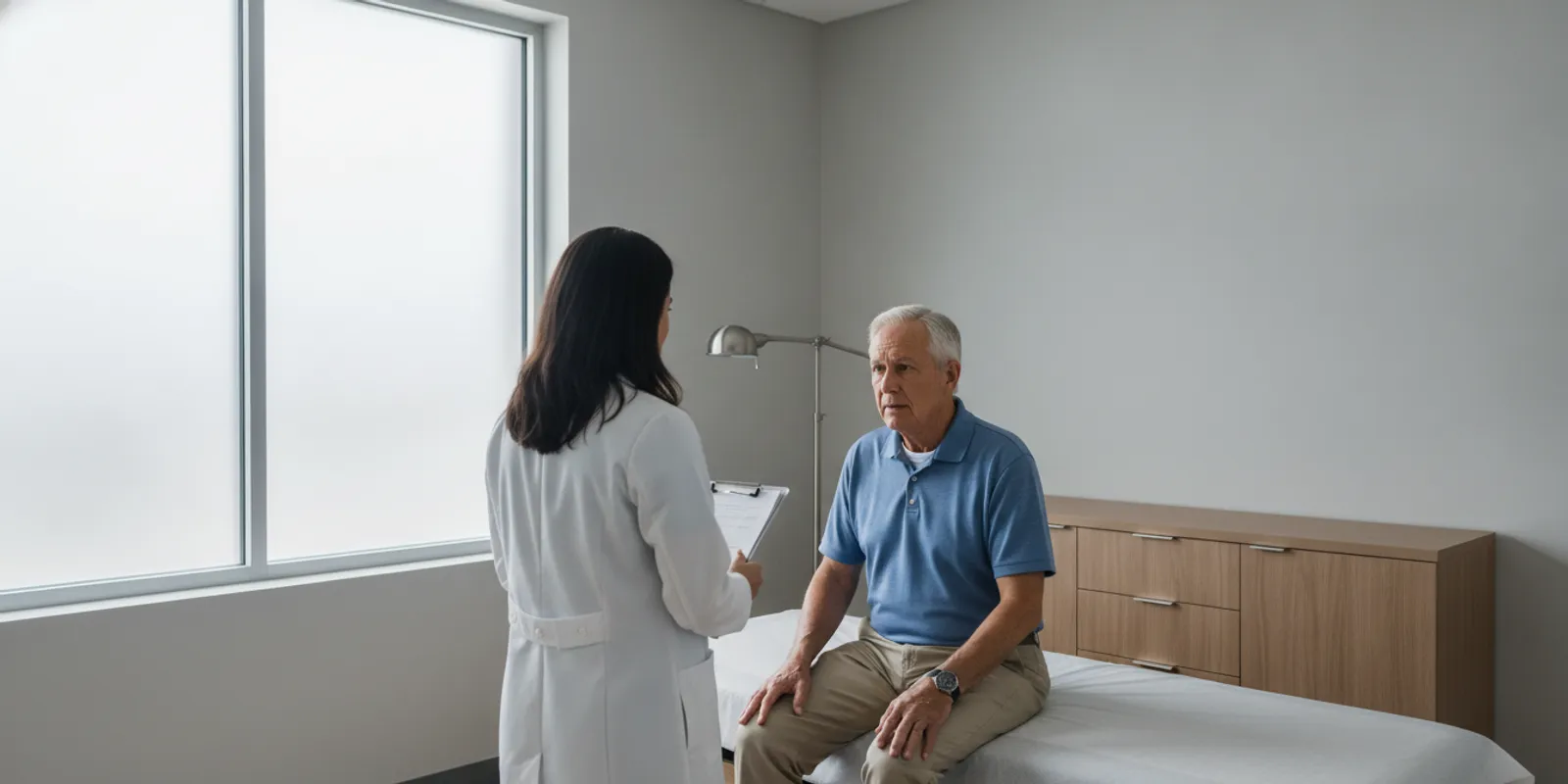
Your first visit is a fact-finding conversation. It’s designed to give your clinician a complete picture of what’s contributing to your TMJ symptoms so a personalized plan can be built for you. Your clinician will ask about your symptoms and perform a careful evaluation of your head, neck, and jaw. They’ll check your range of motion, feel for tight muscles, and assess how your joints are moving. They may also look at your posture, breathing patterns, and stress levels, as these factors can all play a role in TMJ dysfunction. This whole-body approach helps your care address contributing factors, not just symptoms.
How Long Does TMJ Rehabilitation Take?
Every person’s timeline is different, and consistency matters. Many people notice some improvement in pain and in their ability to open the jaw within several weeks of following a personalized program, and a fuller plan may last a few months. During this time, you’ll work on strengthening muscles, improving mobility, and changing habits that contribute to your pain. Your care team will guide you and adjust your plan as you progress.
Hands-On Techniques for TMJ Pain Relief
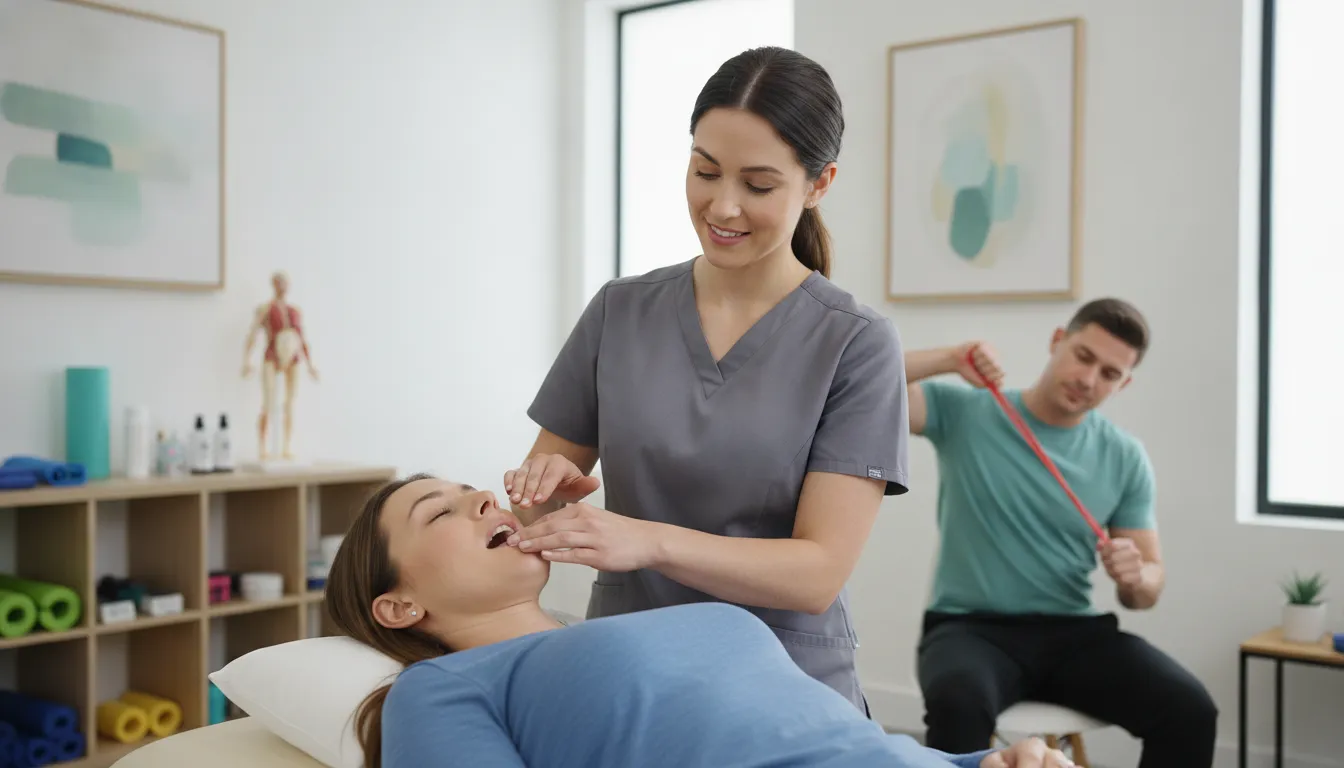
When you think of rehabilitation, you might picture exercises and stretches. Those are important, but a large part of TMJ care can involve hands-on, or manual, techniques. Here, your clinician uses skilled touch to work directly with the muscles and joints contributing to your pain. The aim is to relieve tension, improve movement, and help your jaw function more comfortably.
These techniques are gentle, precise, and tailored to what your body needs. Your clinician can feel which muscles are tight and how the joint is moving, then apply specific pressure and movements based on those findings. It’s not a general massage; it’s a clinical approach aimed at the sources of your symptoms. Working directly on the tissues may help ease tension, improve blood flow, and reduce the restrictions that contribute to clicking, locking, and pain. Below are some hands-on techniques commonly used for TMJ disorders, including soft tissue mobilization, joint mobilization, trigger point release, and cervical manipulation.
Soft Tissue Mobilization
One of the primary sources of TMJ pain is muscle tension. Soft tissue mobilization is a hands-on technique focused on releasing that tightness. It involves direct massage and myofascial release applied to the chewing muscles around your jaw, like the strong masseter muscle in your cheek. This can help ease tension and improve blood flow to the area, which may reduce pain. Your clinician may work on the muscles from outside your mouth and, with a gloved hand, from the inside to reach tissues you can’t get to on your own. This direct approach helps relax overworked muscles, giving your jaw a chance to rest and recover.
Joint Mobilization
If your jaw clicks, gets stuck, or doesn't open smoothly, the problem might be in the joint mechanics. Joint mobilization is a gentle, passive technique a clinician uses to help restore the normal gliding motion of the temporomandibular joint. Think of it like helping a sticky drawer slide open and shut. Your clinician will perform small, skilled movements to help the disc and joint surfaces move more normally. The goal is to improve joint function and reduce the pain associated with restricted movement. You simply relax while the clinician carefully guides your jaw to improve its range of motion and reduce catching or clicking sensations.
Trigger Point Release
Have you ever had a stubborn knot in your shoulder that caused a headache? That’s a trigger point, and they are common in the muscles around the jaw, neck, and shoulders. Trigger point release involves applying sustained, direct pressure to these tight, irritable spots to relieve the referred pain they can cause in the head and face. By holding pressure on specific points, the clinician can encourage the muscle to release its tension, which may ease jaw pain, earaches, and headaches. The pressure can feel intense for a moment, so tell your clinician if it becomes uncomfortable.
Cervical Manipulation
Your neck and jaw are closely connected, and a problem in one can affect the other. Poor posture or stiffness in your upper neck can strain your jaw muscles and contribute to TMJ pain. Because of this link, treating the neck is often part of a TMJ care plan. Conservative approaches for TMJ often include cervical manipulation, which uses skilled movements to restore mobility in the neck joints. By improving how your neck moves, your clinician may reduce strain on your jaw. Manipulation is not right for everyone, so share your full health history first. This whole-body approach recognizes that treating related areas can matter for lasting relief.
At-Home Exercises for TMJ Relief
Your clinician will guide you through specific movements during visits, but a consistent at-home routine is just as important. These gentle rehabilitation exercises can help strengthen your jaw muscles, improve your range of motion, and release built-up tension. Think of them as daily maintenance for your jaw. Before you start any new movement, go slowly and gently. Pain is a signal to stop or ease up, so listen to your body. These movements should feel like a gentle stretch, not a strain. Check with your care team before starting, since the right exercises depend on your evaluation. Consistency is key, so try to set aside a few minutes each day. Over time, you can help retrain the muscles and encourage healthier movement patterns in your jaw.
Chin Tucks
This simple exercise strengthens the muscles that support your head and improves your head and neck posture. Sit or stand up straight, looking directly ahead. Without tilting your head down, gently pull your chin straight back, creating a "double chin." You should feel a stretch at the back of your neck. Hold this position for about five seconds, then relax. Repeat this movement 10 times. You can do this exercise several times throughout the day, especially if you spend a lot of time sitting at a desk or looking down at a phone.
Tongue Lifts
Strengthening the small muscles inside your mouth can also help stabilize your jaw. Start by placing the tip of your tongue on the roof of your mouth, just behind your front teeth. While keeping your tongue in this position, slowly open and close your mouth. The movement should be controlled and comfortable. Don't force your jaw open wider than it wants to go. Perform this exercise 10 times. It helps retrain your jaw to move without unnecessary strain on the joint.
Resisted Mouth Opening
Adding a little gentle resistance can help build strength in the muscles that open your jaw. Place two fingers under your chin. As you slowly open your mouth, apply light upward pressure with your fingers. This creates gentle resistance for your jaw to work against. Hold your mouth open for three to five seconds, then slowly close it. This shouldn't feel strenuous. The goal is to engage the muscles, not to overpower them. Repeat this exercise 10 times to help improve your jaw's strength and control.
Goldfish Exercises
This movement helps reduce stiffness and improve the flexibility of your jaw joint. It’s named for the way it mimics a goldfish’s mouth movement. Start by placing one finger on your chin and another on the TMJ itself (the joint just in front of your ear). Let your jaw drop open slightly, about halfway. Then, gently close it. Keep the movement small and relaxed. You can perform this partial opening 10 times. This gentle motion may ease stiffness, making it a useful exercise when your jaw feels tight.
Side-to-Side Jaw Movements
Improving your jaw's lateral, or side-to-side, movement is another way to enhance its range of motion. Start by placing a thin object, like a stacked pair of tongue depressors or a clean popsicle stick, between your front teeth. Gently bite down just enough to hold it in place. Now, slowly move your jaw from one side to the other. The movement should be smooth and controlled, not jerky. As your flexibility improves, you can gradually increase the thickness of the object between your teeth. Perform this exercise 10 times on each side to stretch the jaw muscles.
Relaxed Jaw Exercise
Many of us hold tension in our jaws without realizing it. This exercise is about consciously letting that tension go. Rest your tongue gently on the roof of your mouth, behind your upper front teeth. Allow your teeth to come apart while letting your jaw muscles relax. Simply hold this relaxed position, breathing deeply. You can practice this throughout the day whenever you notice yourself clenching. It retrains your jaw to rest in a more natural position, which may reduce pain from muscle strain.
How Better Posture Can Ease TMJ Pain
It might seem strange to connect slouching shoulders to a clicking jaw, but your body is one interconnected system. Poor posture, especially the forward-head position many of us adopt while looking at screens, places strain on the muscles in your neck and shoulders. These muscles are connected to your jaw. Over time, this constant tension can pull your jaw away from a comfortable resting position, contributing to pain, clicking, and stiffness.
The good news is that this connection works both ways. By making conscious improvements to your posture, you may relieve some of the chronic strain on your jaw joint and surrounding muscles. Your care team can help here, providing a personalized multimodal conservative management strategy that includes postural correction. They can help you identify your specific postural habits and create a plan with targeted exercises and adjustments. These small changes, practiced consistently, can help your body better support your jaw.
Aligning Your Head and Neck
One of the most common postural issues is "forward head posture," where your head juts forward in front of your shoulders. For every inch your head moves forward, it adds about 10 extra pounds of force on your neck. This constant strain tightens the muscles in your neck and upper back, which in turn pull on your jaw. Correcting this alignment is a key step in easing TMJ pain.
Your clinician can teach you simple exercises, like chin tucks, to gently guide your head back over your shoulders. The goal is to strengthen the deep neck muscles and stretch the tight ones, reducing overall muscle tension and allowing your jaw to function more smoothly. This can help take some load off the temporomandibular joint.
Improving Shoulder and Upper Back Posture
Slouching doesn’t just affect your back; it can affect your jaw. When you round your shoulders and hunch forward, it creates a chain reaction that pulls your head and neck out of alignment. This creates what experts call an "abnormal biomechanical pull" on your jaw, contributing to discomfort and dysfunction. Relief often involves more than treating the jaw itself; it may require retraining your upper body.
A rehabilitation plan for TMJ will often include postural education. This involves learning to align your head, neck, and shoulder blades to reduce the constant, downward pull on your jaw. By strengthening your back and opening up your chest, you create a stable foundation that allows your jaw to rest in a more natural, relaxed position.
Making Simple Ergonomic Changes
Your daily environment plays a big role in your posture and, by extension, your TMJ symptoms. If you spend hours sitting at a desk, in a car, or on a couch, small ergonomic adjustments can help. The goal is to create a supportive environment that encourages a neutral spine and reduces muscle strain throughout the day. This can be as simple as placing your computer monitor at eye level to prevent your head from tilting down.
Practicing good posture reduces tension in your jaw muscles and can improve your comfort. Consider using a chair with good lumbar support or adding a small pillow behind your lower back. When you’re driving, adjust your seat to sit upright rather than reclined. These simple adjustments help you maintain alignment without thinking about it, giving your jaw a needed break.
Lifestyle Changes to Help Manage TMJ
Rehabilitation is an important part of TMJ care, but the choices you make every day also play a big role in managing your symptoms. Small adjustments to your daily routines can provide relief and help prevent flare-ups by reducing strain on your jaw joint. Think of these lifestyle changes as your support system, working alongside your rehabilitation exercises. From the foods you eat to the way you handle stress, being mindful of your habits can make a difference. Here are a few simple strategies you can start using to ease jaw pain and improve your quality of life.
Using Heat and Ice for Pain Relief
Alternating between heat and ice is a classic way to manage joint pain, and it can help with the TMJ. Applying moist heat packs to the side of your face for about 15 minutes can help loosen tight, sore jaw muscles, especially before you do your prescribed exercises. This gentle warmth increases blood flow and makes the area more flexible. On the other hand, if you’re experiencing sharp pain or inflammation after a long day of talking or eating, an ice pack wrapped in a thin towel can help. Applying cold for 10 to 15 minutes can numb the area, reduce swelling, and ease acute discomfort.
Jaw-Friendly Foods and Eating Habits
What you eat and how you eat it can either soothe or aggravate your TMJ. During a flare-up, give your jaw a break. Eat soft foods like smoothies, yogurt, soups, and mashed potatoes for a few days to minimize chewing. It’s also wise to avoid hard, crunchy, or chewy foods that force your jaw to work overtime. Things like tough steak, crusty bread, hard candies, and chewing gum can put significant strain on the joint. When you do eat firmer foods, try cutting them into small, bite-sized pieces. And remember to chew slowly and evenly on both sides of your mouth to distribute the workload.
Everyday Habits That Can Worsen TMJ Pain
Many of us have small, unconscious habits that can contribute to TMJ pain. Identifying and stopping these triggers is an important step toward relief. Do you clench your teeth when you're focused or stressed? Do you bite your nails, chew on pens, or rest your chin in your hand? All of these actions place unnecessary pressure on your jaw joints and surrounding muscles. Stress is a major factor here, as it often causes us to tense our jaw without realizing it. The first step is simply to notice when you're doing it. Try placing your tongue on the roof of your mouth behind your front teeth to help your jaw relax.
How Stress Worsens TMJ Pain
If you’ve ever noticed your jaw aching more during a stressful week, you’re not imagining it. Stress and TMJ pain are closely linked. When we feel stressed or anxious, our bodies go into a state of high alert, causing muscles throughout the body to tense up. This includes the muscles in your jaw, face, and neck. For many people, this tension leads to unconscious habits like clenching the jaw or grinding the teeth (bruxism), especially during sleep. You might wake up with a sore jaw or a dull headache without realizing you were doing it.
This constant pressure puts strain on your temporomandibular joint and the surrounding muscles. Over time, this can lead to inflammation, increased pain, clicking sounds, and limited movement. It often creates a frustrating cycle: stress causes clenching, the clenching causes pain, and the chronic pain adds another layer of stress. Learning stress management techniques is an important step in breaking this cycle. By addressing the source of the tension, you can help your jaw muscles relax and give the joint a chance to recover.
Relaxation Techniques to Release Jaw Tension
You can actively calm your jaw muscles by adding simple relaxation practices to your daily routine. These techniques help lower your overall stress levels and release the tension you’re holding in your face and jaw. Start by practicing deep breathing: inhale slowly through your nose for four counts, feel your belly expand, and then exhale slowly through your mouth for six counts. This simple act can signal to your nervous system that it’s time to relax.
Another helpful method is progressive muscle relaxation. Tense the muscles in your toes for five seconds, then release completely. Work your way up your body, and when you get to your face, gently clench your jaw for five seconds before letting it go slack. You can also practice mindfulness by simply noticing your jaw’s position throughout the day. Is it tight? Are your teeth touching? Gently remind yourself to create a small space between your top and bottom teeth. These relaxation techniques for health are useful tools for managing TMJ discomfort.
How Regular Exercise Helps Manage TMJ
General physical activity is another good way to manage the stress that contributes to TMJ pain. When you exercise, your body releases endorphins, which can ease pain and improve your mood. You don’t need to run a marathon; gentle, consistent movement can make a difference. Activities like walking, swimming, or yoga can lower your body's stress response, which in turn may reduce the tendency to clench your jaw.
While specific jaw exercises are important for the joint, regular full-body exercise for older adults plays a supportive role. It improves circulation, reduces overall muscle tension, and helps you sleep better, all of which may contribute to less TMJ pain. Think of it as treating your body as a whole system. A less-stressed body often means a more relaxed jaw.
Is Rehabilitation Enough?
For many people with jaw pain, rehabilitation is an effective place to start. Research suggests it can reduce pain and improve jaw function for many patients. It is well suited to addressing the mechanical issues behind TMJ disorders, like muscle tightness and restricted joint movement, which are often a big piece of the puzzle. By focusing on these contributing factors, a skilled clinician can help improve jaw function and quality of life.
However, TMJ pain can be complex, with roots in everything from stress and teeth grinding to arthritis or a misaligned bite. Rehabilitation is often an essential part of care, but it may not be the only tool you need. Think of it as the foundation of your recovery plan. It works on movement patterns and muscle tension, but if another issue is causing the problem, that will need attention as well. The best outcomes tend to come when your plan is tailored to your situation. This is why a thorough evaluation is so important before starting any treatment.
When to Combine Rehabilitation with Other Treatments
If your TMJ disorder is stubborn or has multiple contributing factors, a team-based strategy is often the most effective path. A multidisciplinary approach brings different experts together to support your healing. For example, your care team can coordinate with a dentist who might fit you with a custom oral appliance or night guard to reduce clenching and grinding while you sleep.
This doesn't mean rehabilitation isn't working; it means you're giving it a better environment to succeed. While rehabilitation helps you retrain your jaw muscles and improve mobility during the day, the oral appliance helps protect your joint from strain overnight. For some people, this combined effort leads to more complete relief than a single treatment on its own.
When to Consider Advanced or Regenerative Care
What if you’ve tried conservative care and still aren't getting the relief you need? This is a common frustration, but it doesn’t automatically mean surgery is your only option. If you’re dealing with more significant structural issues like disc displacement, severe joint inflammation, or arthritis in the jaw, it may be time to discuss more advanced care. A specialist can also adjust your exercise plan for these specific issues.
Regenerative medicine may be worth discussing in some of these cases. Regenerative treatments are intended to support the body’s own healing processes in damaged tissue. Evidence varies by condition and procedure, and results are not guaranteed. When appropriate, this kind of care may be combined with rehabilitation as part of a broader plan, and your clinician should explain the expected benefits, risks, and alternatives.
Choosing the Right Care Team for TMJ
Finding the right partner for your recovery is as important as the treatment itself. You want someone who understands the mechanics of the jaw and also listens to your specific concerns and goals. Taking time to find a clinician who is a good fit can make a real difference. Think of it as building your personal health team.
Experience to Look For
Look for a clinician with experience evaluating and caring for head, neck, and jaw problems. It is reasonable to ask how often they see TMJ disorders, what their evaluation includes, and how they decide which techniques to use. Ultimately, a professional with specific experience in TMJ disorders can help you feel confident you’re in capable hands.
Questions to Ask at Your First Visit
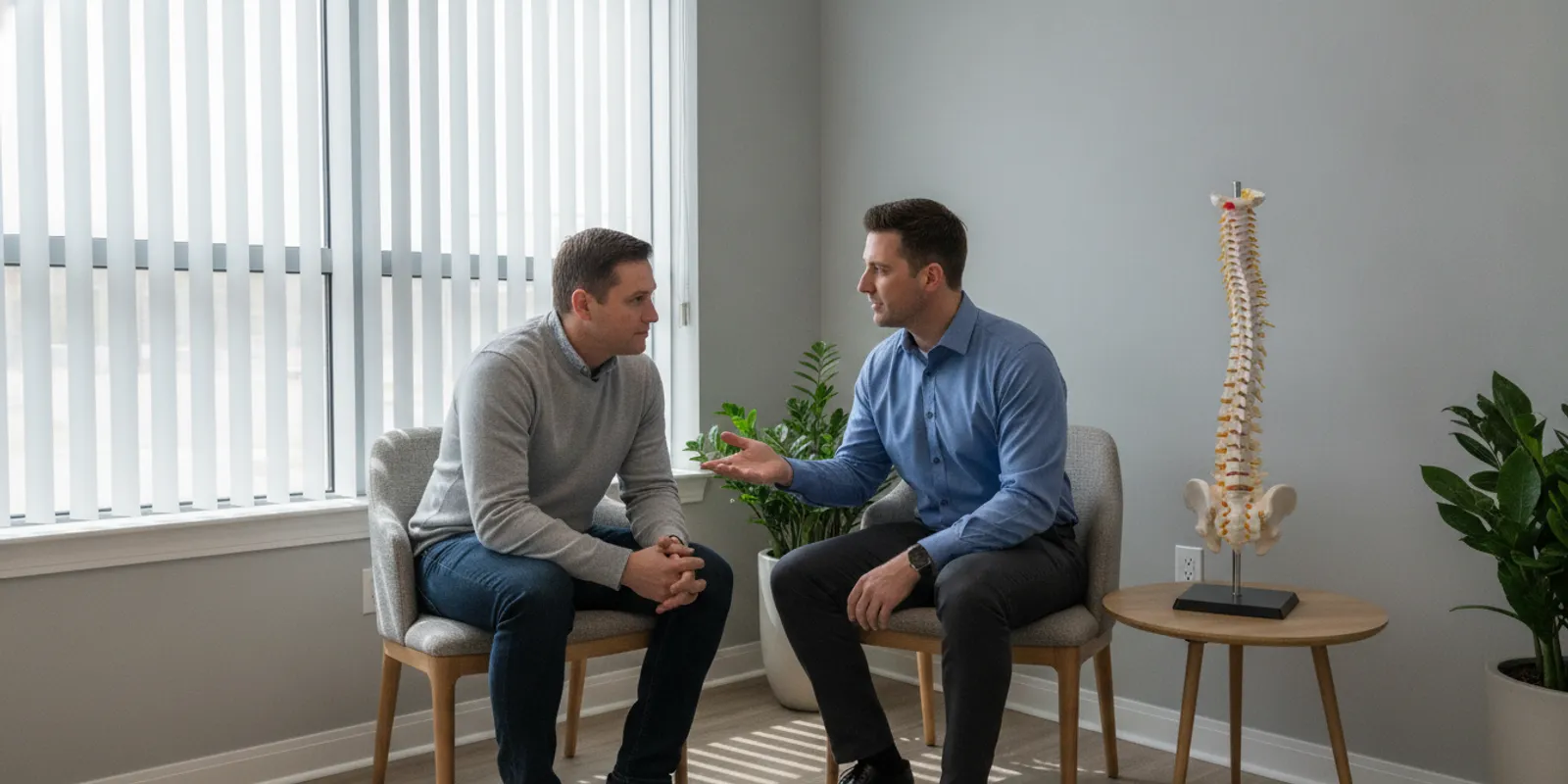
Your first visit is a two-way conversation. It’s your opportunity to understand the clinician’s approach and decide if it feels right for you. Don’t be shy about asking questions before you commit to a treatment plan. When you reach out, be ready to explain your symptoms and ask about their experience with TMD. If you’d like to talk through your situation with Sigma Core, you can request a Free Consultation.
It’s also helpful to ask about their treatment philosophy. Do they work with your dentist or other health care providers when needed? This can be a sign of a collaborative care plan. You can also ask about the specific techniques they use, such as hands-on care, targeted exercises, or other methods. A good clinician will be happy to explain their process and how it may help you.
Frequently Asked Questions
Is a clicking or popping jaw always a sign of a serious TMJ disorder? Not necessarily. An occasional click or pop without pain or limited movement can be normal for many people. However, pay close attention if the sounds are new, getting worse, or accompanied by other symptoms. If you experience pain, tenderness, episodes where your jaw gets stuck, or difficulty chewing, it’s a signal that the joint isn't functioning properly and it's time to have it evaluated by a professional.
How is TMJ rehabilitation different from just getting a massage for my jaw pain? A general massage can provide temporary relief from muscle soreness, while rehabilitation is a more targeted, clinical approach. Your clinician performs a thorough evaluation to identify the likely cause of your pain, whether it's a joint mechanics issue, muscle imbalance, or a postural problem. Hands-on techniques like joint mobilization and trigger point release are chosen to improve function, not just relax tight muscles.
Can I just do the at-home exercises and skip an evaluation? At-home exercises are an important part of recovery, but they are most effective as part of a personalized plan. Without a proper evaluation, you won't know the source of your problem. For example, an exercise that helps a muscle issue could aggravate a joint problem. Your clinician can identify your specific needs, teach you correct form to help prevent further injury, and progress your routine safely.
My main complaint is chronic headaches and neck stiffness. Could my jaw really be the problem? It could be. The nerves and muscles in your jaw, head, and neck are closely connected. When the jaw joint or surrounding muscles are under constant strain, it can create referred pain that shows up as headaches (especially around the temples), earaches, and persistent neck and shoulder tension. For some people, addressing TMJ dysfunction is part of finding relief from these symptoms. An evaluation can help sort out the source.
What happens if rehabilitation doesn't completely resolve my pain? Rehabilitation helps many people, but sometimes TMJ pain has multiple causes. If your symptoms persist, it usually means another factor needs to be addressed. This is when a team-based approach can help. Your care team can coordinate with other specialists, like a dentist who can provide a night guard for teeth grinding, or discuss whether regenerative care is appropriate. This helps you address the problem from more than one angle.