Herniated Lumbar Disk: Non-Surgical Rehab and Recovery
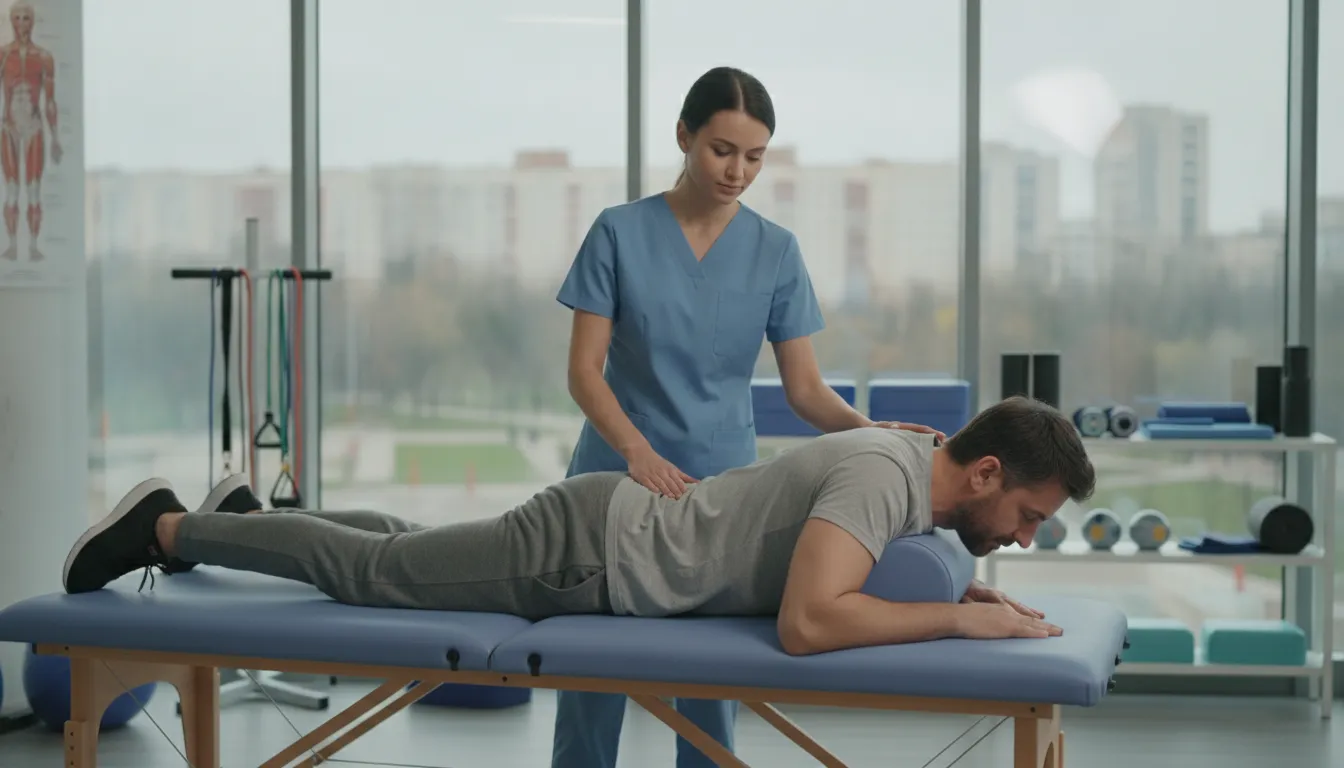
Hearing the words “herniated disc” often sends a jolt of fear through people, with one word flashing in their minds: surgery. But what if that common assumption is wrong? For many people, surgery is not the first or even the best path to recovery. There is a well-established, non-surgical approach that works with your body’s own ability to recover, helping many people avoid the risks and long downtime of an operation. This approach is non-surgical rehabilitation for a herniated lumbar disk. It’s a comprehensive strategy designed to relieve nerve pressure, calm inflammation, and build a stronger, more resilient back, giving you the tools to manage your recovery and lower the chance of future problems.
Key Takeaways
- Start with Non-Surgical Care: Guided rehabilitation is the standard first-line approach for a herniated disc, and many people recover without the risks and downtime of an operation.
- Focus on Safe, Targeted Movement: Recovery depends on specific, controlled exercises that reduce nerve pressure and build core stability, so it's just as important to perform the right movements as it is to avoid harmful ones like sit-ups and heavy lifting.
- Build Lasting Spinal Health: Good rehabilitation goes beyond short-term pain relief by addressing contributing factors, teaching you better posture and movement habits to build a stronger, more resilient back for the future.
What Is a Herniated Lumbar Disc?
If you’re dealing with persistent lower back pain, you might be wondering if a herniated disc is the culprit. Understanding what’s happening in your spine is the first step toward finding relief and getting back to the activities you love. A herniated disc, sometimes called a slipped or ruptured disc, is a common condition, but it doesn’t have to mean a lifetime of pain or giving up your active lifestyle. With the right approach, many people recover well and build a stronger, more resilient back for the future.
Recognizing the telltale symptoms
Think of the discs between your vertebrae as tiny jelly donuts, with a soft, gel-like center and a tougher outer ring. A herniated disc occurs when that soft center pushes out through a tear in the exterior wall. This can cause inflammation and a dull or sharp pain in your lower back. If the bulging disc material presses on a nearby spinal nerve, you might feel pain that radiates down your buttock and into your leg (often called sciatica). Other telltale signs include numbness or tingling in your leg or foot, muscle weakness, pain that worsens when you sit for long periods, and difficulty bending forward without discomfort.
How a herniated disc can impact your daily life
If you’re struggling with back pain, you are certainly not alone. An estimated 80% of people experience low back pain during their lives, and herniated discs are a common reason for this pain. The discomfort can interrupt everything from your golf game to simply sitting down for dinner with family. The good news is that this condition is often very treatable. Many people with a herniated disc feel significantly better within a few weeks to a few months, especially with proper care. A well-planned rehabilitation program is designed to support healing, relieve pressure on the nerves, and strengthen your core to support your back for the long term.
Can Non-Surgical Rehabilitation Really Help a Herniated Disc?
If you’re dealing with the sharp, radiating pain of a herniated disc, you might wonder if anything short of surgery can truly make a difference. For most people, the answer is yes. Non-surgical rehabilitation is the most commonly recommended starting point. It’s a guided, non-invasive approach that works with your body’s natural ability to recover, helping you get back to your life without the risks and extended downtime of a surgical procedure.
Think of rehabilitation as a personalized roadmap for your recovery. It’s much more than a list of exercises; it’s a comprehensive program designed to relieve pressure on the affected nerve, reduce your pain, and rebuild the strength and stability of your spine. Your clinician acts as your guide, teaching you how to move safely and effectively to promote healing. This process lets you take an active role in your own recovery, giving you the tools and confidence to manage your symptoms and help prevent future flare-ups, so you can stay active and independent.
Why surgery often isn't the first answer
When you hear the term “herniated disc,” it’s easy to think surgery is inevitable. But the reality is quite different. Conservative, non-surgical care is the standard first-line treatment. Studies show that 70% to 90% of people with a herniated disc can recover without surgery through conservative care such as guided exercise and rehabilitation.
Surgery is typically only considered if your symptoms are severe, such as significant muscle weakness, or if you haven’t seen any improvement after several months of consistent conservative care. Research also indicates that after one to two years, outcomes for pain relief and function are often similar between those who had surgery and those who stayed with non-surgical care. Starting with conservative care gives you the chance to improve while avoiding the risks that come with any surgical procedure. Your clinician can help you weigh these options for your situation.
Rest vs. movement: What actually helps you heal?
When you’re in pain, your first instinct might be to lie down and stay completely still. While giving your back a break for a day or two right after the injury is okay, extended bed rest can actually slow down your recovery. The key to healing a herniated disc is finding the right balance, and that’s where gentle movement comes in.
Your clinician will guide you on how to start moving gently in a way that doesn’t aggravate your pain. This controlled movement matters because it helps reduce inflammation, improves blood flow to the injured area, and keeps your supporting muscles from becoming weak and stiff. Many people notice a significant improvement within six to eight weeks of consistent care, and many become symptom-free within a few months.
How rehabilitation relieves pain and restores function
The main goals of rehabilitation for a herniated disc are simple: reduce pain, decrease pressure on the nerve, and strengthen the muscles that support your spine. Your care team works toward these goals with a combination of hands-on techniques and specific, targeted exercises. One common approach involves gentle extension movements, like the prone press-up, which may help shift the disc material away from the spinal nerve.
This process helps "centralize" your pain, moving it from your leg back toward your spine, which is generally a positive sign. As the pressure on the nerve eases, you’ll also work on building core stability and improving your posture. This isn’t just a temporary fix; it’s about re-educating your body to move in healthier ways, creating a strong, resilient back that’s less prone to injury in the future.
What to Expect from Non-Surgical Rehabilitation
If you’re picturing someone just handing you a sheet of exercises, think again. Rehabilitation for a herniated disc is a dynamic and personalized process designed to relieve your pain and address the factors contributing to the problem. It’s often one of the first treatments doctors recommend because it focuses on strengthening the muscles that support your spine and teaching you how to move in ways that protect it from future injury.
Your care team acts as your partner and guide on the road to recovery. They combine hands-on techniques with a custom exercise program to restore your mobility and function. The goal isn’t just to get you out of pain; it’s to give you the strength and knowledge to confidently return to the activities you love. This active approach helps many people recover well and avoid the need for more invasive procedures. Instead of just masking symptoms, rehabilitation gives you tools to manage your condition for the long term, helping you stay active and independent. It's a collaborative effort where your feedback and progress shape every visit, so the plan evolves with you as you get stronger.
Your first visit: A thorough assessment and custom plan
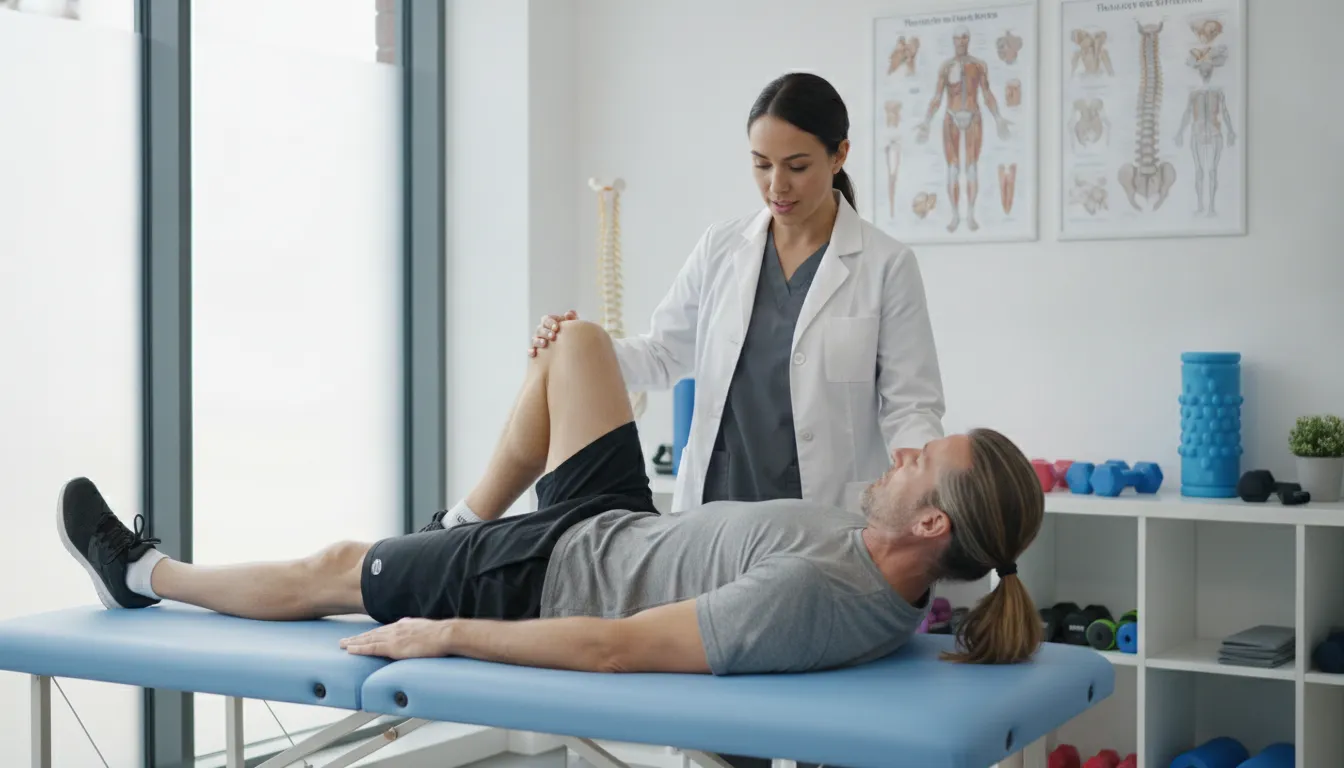
Your care begins with a comprehensive evaluation. This first visit is about your clinician getting to know you, your body, and your specific situation. They will ask detailed questions about your symptoms, how the pain affects your daily life, and what your personal recovery goals are. Expect a physical assessment where they check your posture, range of motion, strength, and reflexes. This careful process helps your clinician understand the likely source of your pain and create a treatment plan tailored to you. This isn't a one-size-fits-all approach; it's your personal roadmap to feeling better.
Hands-on manual therapy techniques
A major part of your care will likely involve manual therapy. This is a collection of skilled, hands-on techniques your clinician uses to treat your joints and soft tissues. It’s more than a massage. Your clinician may use gentle joint mobilization to improve the movement in your spinal segments or apply specific pressure to release tight muscles and calm spasms. These techniques can help reduce pain, decrease stiffness, and improve your spine’s mobility. By easing discomfort and restoring movement, manual therapy can make it easier to perform your strengthening exercises with less pain.
The McKenzie Method and gentle spinal decompression
Many clinicians use specific, evidence-based methods to treat herniated discs. One of the most common is the McKenzie Method, which uses targeted movements to centralize your pain. This means moving the pain away from your leg or buttock and back toward its source in your spine, which is a key sign of improvement. Your care plan may also include gentle spinal traction or spinal decompression, done on a specialized table. This technique gently decompresses your spine, creating more space between your vertebrae. For some people, it can ease pain by taking pressure off the irritated nerve and the herniated disc itself.
Using heat, ice, and other tools for pain relief
To help manage your symptoms, especially in the early stages, your care team may use different tools for pain relief. Applying a heat pack before your exercises can help relax tight, sore muscles and improve blood flow to the area. After a session, an ice pack can be used to reduce inflammation and numb sharp pain. Some clinicians also use tools like transcutaneous electrical nerve stimulation (TENS), which sends a mild electrical current to disrupt pain signals. These tools aren't the core of your treatment, but they can help manage pain so you can focus on the active exercises that build lasting strength.
Learning better posture and movement habits
One of the most valuable parts of rehabilitation is the education you receive. Your clinician will teach you how to move in ways that protect your back during everyday activities. You’ll learn how to maintain a healthy posture while sitting and standing, how to safely lift objects without straining your spine, and even how to get in and out of bed comfortably. This guidance is important for long-term success. By building these better habits, you support your current recovery and can lower your risk of future flare-ups.
The Best Exercises for a Herniated Disc
When you’re dealing with the pain of a herniated disc, the thought of exercise might seem counterintuitive. But the right kind of movement is one of the most useful tools for recovery. The goal isn’t to push through pain, but to perform specific, gentle exercises that reduce pressure on the pinched nerve, improve spinal alignment, and strengthen the muscles that support your back. Think of it as creating a natural corset of strength around your spine to protect it.
Your clinician will tailor a plan to your unique situation, but certain exercises are commonly recommended for their safety and effectiveness. These movements are designed to be done slowly and with control. It’s important to listen to your body. You should feel a gentle stretch or the engagement of your muscles, not sharp, radiating, or worsening pain. If an exercise causes discomfort, stop and check with your care team to find a better alternative for you.
Prone press-ups (McKenzie extension)
This is a classic rehabilitation exercise for a reason. Prone press-ups are a gentle extension movement that may help guide the herniated disc material back toward the center of the disc, taking pressure off the pinched nerve root. This simple motion helps restore the natural curve of your lower back and can provide pain relief for some people.
To do it, lie on your stomach with your hands flat on the floor under your shoulders, as if you were about to do a push-up. Keeping your hips and pelvis on the floor, gently press up with your arms to lift your chest and shoulders. Only go as high as you can without pain. Hold for a few seconds, then slowly lower yourself back down. The goal is a gentle stretch, not a deep backbend. This movement is a common part of care for herniated disc pain because it can encourage centralization.
Bird-dog for core stability
A strong, stable core is one of your best defenses against future back problems. The bird-dog exercise is useful because it challenges your stability without putting much strain on your spine. It teaches your deep core muscles, lower back, and glutes to work together to keep your pelvis and spine steady during movement.
Start on your hands and knees in a tabletop position, with your back flat. Engage your abdominal muscles to keep your torso from moving. Slowly extend one arm straight forward and the opposite leg straight back. The key is to keep your hips level and your back completely still. Imagine you have a glass of water on your lower back that you don’t want to spill. Hold for a moment before returning to the start and repeating on the other side. This is one of the most effective herniated disc exercises for building functional strength.
Pelvic tilts and glute bridges
These two exercises are foundational for re-establishing control over your pelvis and strengthening the muscles that support your lower back. A pelvic tilt is a very subtle but useful movement. Lie on your back with your knees bent and feet flat on the floor. Gently flatten your lower back against the floor by tightening your stomach muscles and slightly tilting your pelvis upward. This small motion helps activate your deep core and can ease pressure on the spine.
The glute bridge builds on this by strengthening your glutes and hamstrings, which are key partners in supporting your lower back. From the same starting position, squeeze your glutes and lift your hips off the floor until your body forms a straight line from your shoulders to your knees. Hold for a few seconds, then slowly lower your hips back down.
Gentle stretches: Knee-to-chest and cat-cow
While strengthening is important, so is maintaining gentle mobility and relieving tension. The knee-to-chest stretch is a simple way to reduce tightness in your lower back muscles. Lying on your back, gently pull one knee toward your chest until you feel a comfortable stretch in your lower back and hip. You can also pull both knees to your chest for a slightly different stretch.
The cat-cow stretch is excellent for promoting gentle movement and flexibility in the spine. On your hands and knees, slowly round your back up toward the ceiling like a cat, letting your head drop. Then, slowly arch your back, lifting your head and tailbone toward the ceiling. Move with your breath, inhaling as you arch and exhaling as you round. This fluid motion helps keep the spine moving without much stress.
Exercises and Movements to Avoid
When you’re recovering from a herniated disc, knowing which movements to avoid is just as important as knowing which exercises to perform. The wrong move can increase pressure on your spinal discs, irritate the affected nerve, and set your recovery back. Think of this as creating a safe, calm environment for your back to heal. While some of these movements might be part of your normal routine, pausing them for now is an important step toward getting back to the activities you love.
Why to skip sit-ups, crunches, and toe touches
Sit-ups and crunches are go-to exercises for building a strong core, but they are not your friends when dealing with a herniated disc. These movements cause your spine to round forward repeatedly. This flexion puts a significant amount of force on your lower back, which can squeeze the injured disc and worsen nerve compression. Similarly, bending forward to touch your toes, a common stretch, creates the same problematic pressure. Instead of helping, these exercises can aggravate the condition. Your clinician can show you safer ways to engage your core muscles without putting your lumbar spine at risk.
Avoiding heavy lifting, twisting, and high-impact moves
During your recovery, it’s best to treat your lower back with extra care. This means avoiding activities that create sudden or excessive force. Heavy lifting is a major one, so let someone else handle the heavy grocery bags or that box in the garage for now. Twisting motions, like a golf swing or even just reaching into the back seat of your car, can also cause a flare-up. Finally, high-impact activities like running, jumping, or high-intensity aerobics should be put on hold. These movements send jarring forces through your spine. The goal is to reduce strain and give the inflamed tissues a chance to heal properly.
When "good" back exercises can do more harm than good
Listening to your body is your most important job during rehabilitation. Even a "good" exercise can cause harm if it’s not right for you at that moment. Pay close attention to your symptoms. If you notice pain starting to travel further down your leg during an exercise, stop immediately. This is a sign called peripheralization, and it means the movement is making the nerve irritation worse. You should also stop if you feel any sharp, shooting pain or experience new numbness, tingling, or weakness. These are clear signals from your body to back off. Always tell your clinician about these sensations so they can adjust your plan.
Debunking Myths About Herniated Disc Recovery
When you’re dealing with the pain of a herniated disc, you’ll hear a lot of advice from well-meaning friends, family, and the internet. Unfortunately, much of it is based on outdated ideas that can slow down your recovery. It’s time to clear up the confusion and separate fact from fiction so you can get back to feeling your best. Let's look at some of the most common myths and what the research actually says about recovering from a herniated disc.
Myth: "I need surgery before I can do anything."
This is one of the biggest and most persistent myths out there. The thought of a herniated disc often brings surgery to mind, but for most people, it’s simply not the first or best option. In fact, conservative, non-surgical care is the first treatment recommended for herniated discs, and many people recover without ever needing an operation. A rehabilitation plan aims to relieve pressure on the nerve, reduce pain, and restore movement safely. Surgery is typically reserved for severe cases where conservative treatments haven't provided relief or when there are signs of significant nerve damage.
Myth: "Complete rest is the only way to heal."
While it’s wise to take it easy for a day or two right after the injury, extended bed rest is an old-school approach that can do more harm than good. Lying still for long periods can cause your supporting muscles to weaken and your joints to stiffen, making your recovery longer and more difficult. The key is active recovery. Gentle movement helps increase blood flow to the injured area. Your clinician will guide you on which movements are safe and beneficial, helping you find the right balance between rest and activity.
Myth: "Any exercise is good exercise."
This is a risky assumption. While movement is medicine, the wrong kind of movement can easily make your pain worse. Exercises that involve bending forward, heavy lifting, or high-impact twisting can put additional stress on your herniated disc and irritate the affected nerve. This is why a generic exercise plan often doesn't work. Your clinician will assess your specific condition and teach you herniated disc exercises tailored to you. If any movement causes new or worsening pain, stop immediately and check with your care team. The goal is to strengthen your core and back muscles without aggravating the injury.
Myth: "Rehabilitation is just a temporary fix for pain."
Some people think of rehabilitation as a quick, temporary patch for back pain, but that misses its purpose. While it can help ease pain in the short term, its real value lies in supporting long-term spinal health. Good rehabilitation doesn’t just treat the symptoms; it addresses contributing factors. By strengthening your core, improving your posture, and teaching you how to move well in your daily life, rehabilitation supports your spine’s recovery and builds the resilience that can help prevent future flare-ups. It gives you the tools and knowledge to keep your back strong.
Red Flags to Watch for During Recovery
As you begin rehabilitation, it’s essential to become an expert at listening to your body. While gentle movement is your path forward, not all sensations are a sign of progress. Learning to distinguish between the normal aches of working muscles and the warning signs that signal a problem is one of the most important skills you can develop. Pushing through the wrong kind of pain can set your recovery back. Think of these red flags not as roadblocks, but as your body’s way of giving you important feedback. Paying attention to these signals allows you to work with your clinician to adjust your plan and make sure every movement is helping, not hurting.
When pain starts to spread (and what it means)
One of the clearest signs that an exercise is irritating your nerve is when your pain begins to travel. If you notice the pain moving from your lower back further down into your buttock, thigh, or calf, you need to stop what you’re doing. This is a process called “peripheralization,” and it’s a red flag that the exercise is making the nerve compression worse. The goal of your care is the opposite: to make the pain retreat from your leg and move back toward the center of your spine. This is called centralization, and it’s generally a good sign. If you experience spreading pain, don’t try to push through it. Make a note of which movement caused it and discuss it with your clinician.
New or worsening numbness, weakness, or sharp pain
While a dull ache can be a normal part of recovery, sharp, shooting, or electric-like pain is not. Pay close attention to any new or worsening numbness, tingling, or feelings of weakness in your leg, foot, or toes. These symptoms suggest that the pressure on your spinal nerve is increasing, which is something you need to address right away. In very rare cases, a herniated disc can cause a serious condition called cauda equina syndrome, which involves loss of bladder or bowel control. This is a medical emergency that requires immediate attention. Don’t dismiss these neurological changes; they are your body’s most urgent warning system.
Knowing when to stop an exercise immediately
Your rehabilitation program is designed to be gentle, so you should never force a movement that causes significant pain. While you might feel some mild discomfort or stretching, you are the ultimate judge of what feels right for your body. If any exercise causes a sharp spike in your usual pain or creates a new type of pain, it’s a clear signal to stop. Pushing through it won’t speed up your recovery and could easily lead to a setback. Always be gentle with these exercises. If a movement consistently causes pain, it’s not the right one for you at this moment. Let your clinician know so they can find a better alternative.
Your Recovery Timeline: What to Expect
Recovering from a herniated disc is a journey, and your path will be unique to you. While there’s no set date on the calendar for when you’ll feel like yourself again, recovery generally follows a recognizable pattern. It’s less about a single fix and more about a phased approach that starts with calming the pain and gradually builds toward lasting strength and resilience. Think of it as a partnership between you and your care team, working together to help your body heal.
Many people start to feel better within a few weeks, but a full recovery can take several months. This timeline isn’t a sign of failure; it reflects the time your body needs to heal. The goal of rehabilitation isn't just to get you out of pain for now, but to equip you with the strength, knowledge, and habits to protect your back going forward. Patience and consistency are your best allies. By sticking with the plan and noticing small wins along the way, you can move from pain and limitation toward strength and confidence.
The first month: Focusing on pain relief and gentle movement
The first few weeks of rehabilitation are about calming things down. The primary goal is to reduce your pain and inflammation so your body can begin to heal. Your clinician will use gentle techniques and teach you specific positions and movements that take pressure off the nerve. It might seem counterintuitive, but starting to move gently soon after an injury is important, as it supports circulation and keeps your back from getting stiff and weak. This isn't about pushing through pain. It's about finding safe, comfortable ways to move.
The next phase: Rebuilding strength and function
Once your initial pain has eased, the focus of your care will shift. This is where you start building a stronger, more resilient back. Your clinician will guide you through rehabilitation exercises designed to strengthen the core and back muscles that support your spine. A strong core acts like a natural corset, providing stability and taking load off your spinal discs during daily activities. This phase also focuses on improving your flexibility and range of motion, helping you bend, lift, and twist with more confidence and less risk. This is the work that helps prevent future injuries and keeps you active for the long term.
Long-term: Staying strong and preventing future flare-ups
After you’ve rebuilt your foundation of strength, the final phase is about maintenance and prevention. Many people see significant improvement within six to eight weeks of consistent care, and many become symptom-free in a few months. The key is consistency. Continuing with a simple, daily routine of gentle exercises is far more effective than doing intense workouts once in a while. Rehabilitation gives you tools to protect your spine, which may help you avoid surgery and maintain an active, independent lifestyle. You’ll learn how to listen to your body and manage your back health with confidence.
When Exercise-Based Rehabilitation Isn't Enough on Its Own
Rehabilitation is a cornerstone of herniated disc recovery for a reason. It’s an effective way to relieve pressure, rebuild strength, and teach your body healthier movement patterns. But if you’ve been diligently doing your exercises for weeks or months and still feel stuck, please know you’re not at a dead end. It doesn’t mean your efforts have failed or that surgery is your only option left. Many people find themselves in this exact position, feeling frustrated that their hard work isn't paying off as quickly as they'd hoped.
Sometimes, the inflammation and tissue irritation from a herniated disc are significant enough that the body needs more targeted support. Think of it less as a failure and more as a signal. Your body is telling you that while the exercises are helping build a stronger support system, the source of the problem may need a different kind of attention. Combining rehabilitation exercises with other non-surgical treatments may help manage pain more effectively. This combined approach can help some people move past a plateau and get back to the activities they love without more invasive procedures.
Signs you might need additional support
It can be disheartening when you’re putting in the work but not seeing the progress you expect. If you’re wondering whether it’s time to add something more to your recovery plan, there are a few key signs to look for. The most common one is simply hitting a plateau. If you’ve been consistent with your rehabilitation exercises for several weeks or months and your pain, numbness, or mobility hasn’t meaningfully improved, it may be time to explore other non-surgical options.
Pay close attention to severe or worsening symptoms. While some discomfort is normal, you should seek immediate medical advice if you experience a sudden increase in pain, significant weakness in your legs, or troubling numbness that doesn’t go away. Any new or worsening loss of bladder or bowel control is a medical emergency that requires immediate attention. These are clear indicators that your body needs a higher level of care.
Pairing rehabilitation with other non-surgical treatments
Think of your recovery as building a house. Rehabilitation exercise is like constructing a strong, stable frame. It builds the core and back strength that protects your spine for the long term. However, if the foundation is cracked, a better frame alone might not be enough. When a disc is severely inflamed or irritated, pairing rehabilitation with treatments that address the underlying tissue may help.
For some people, this might involve anti-inflammatory treatments like steroid injections to calm intense pain and create a window in which exercise becomes more manageable. Regenerative medicine options may also be discussed. These treatments aim to work with your body’s own healing processes, though results vary and no outcome is guaranteed. Combining appropriate treatments with the functional strengthening of rehabilitation creates a plan that addresses the injury from more than one angle. Your clinician can help you decide whether any of these options fit your diagnosis.
Frequently Asked Questions
How long does it take for non-surgical rehabilitation to work for a herniated disc? Everyone’s recovery is different, but many people start to feel a noticeable reduction in pain within the first few weeks of consistent care. The initial phase focuses on calming inflammation and relieving pressure. Building lasting strength takes longer, typically over the course of two to three months. The key is to be patient and consistent, as the goal is not just to relieve your current pain but to build a stronger back that's less prone to future problems.
Do I have to get surgery for a herniated disc? It’s a common misconception that a herniated disc automatically means surgery is in your future. For the majority of people, surgery is not the first step. Conservative, non-surgical care is the standard first-line treatment, and many people improve with it. Some people are also referred to physical therapy by their doctor as part of that conservative care. Studies show that long-term outcomes for non-surgical care are often similar to those for surgery, though your clinician can help you understand what is right for your situation.
Is it okay to exercise if I have a herniated disc? Yes, but it has to be the right kind of exercise. While you should avoid high-impact activities, heavy lifting, and exercises that cause you to bend forward repeatedly, gentle and targeted movement is an important part of recovery. Your clinician will guide you through specific exercises designed to take pressure off the nerve and strengthen the deep core muscles that support your spine. This controlled movement helps reduce pain and prevent future flare-ups.
What happens if rehabilitation doesn't completely solve my pain? Hitting a plateau in your recovery is not a sign of failure; it's a signal that your body might need additional support. If you've been diligent with your rehabilitation exercises but your progress has stalled, the underlying inflammation may need more targeted care. Combining rehabilitation with other non-surgical treatments may help you move past the plateau. Your clinician can review your progress and talk through next steps.
How do I know if I'm pushing myself too hard during my exercises? Listening to your body is the most important part of your recovery. You should feel your muscles working or a gentle stretch, but never sharp, shooting, or radiating pain. A major red flag is if the pain starts to travel further down your leg during or after an exercise. This is a clear sign to stop and talk to your clinician. The goal is to move in a way that feels safe and supportive, not to push through pain.