How Non-Surgical Rehabilitation for Sciatica Pain Works
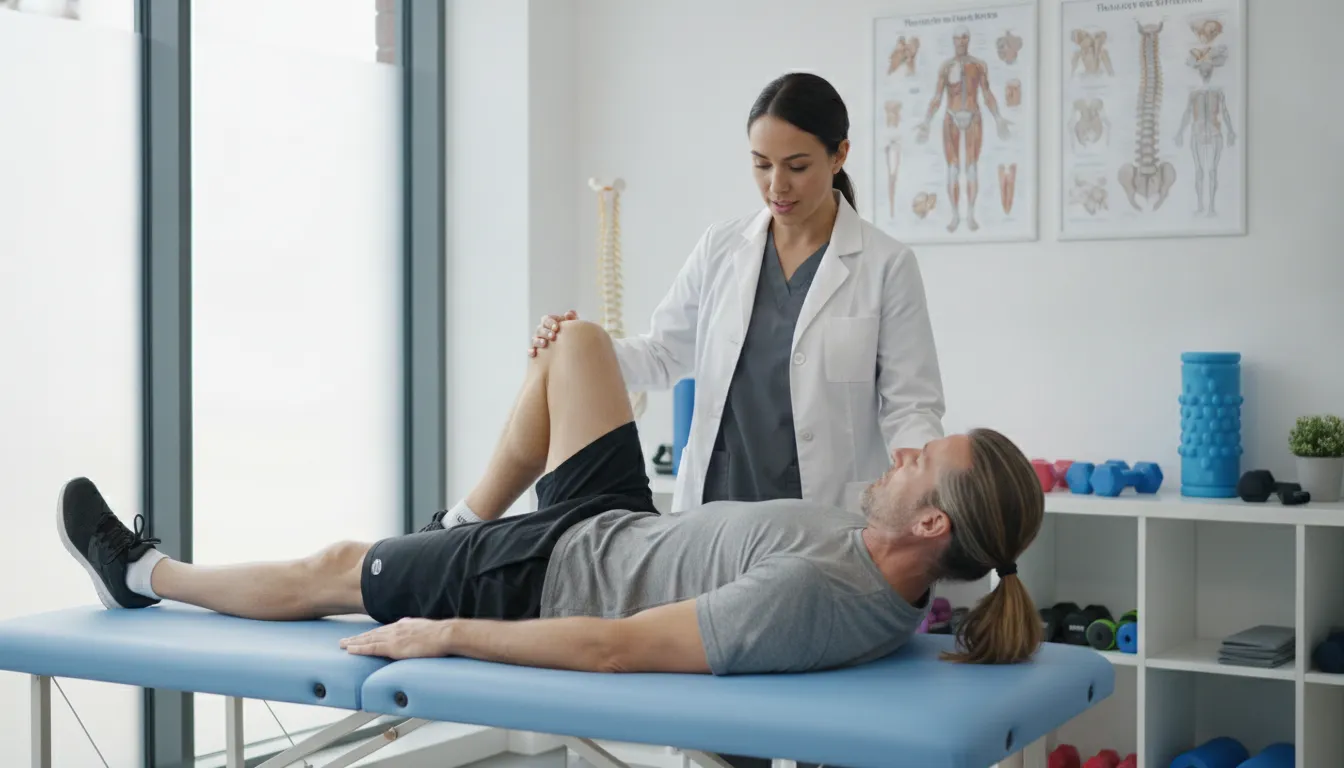
Sciatica can make you feel like you’ve lost control over your own body, with pain dictating what you can and cannot do. The goal of rehabilitation is to put you back in the driver’s seat. It’s about more than just exercises; it’s about education. A skilled clinician teaches you how your body works, how to move safely, and how to make simple adjustments to your daily life that protect your spine. An effective rehabilitation plan for sciatica pain gives you the knowledge and strength to manage your symptoms, prevent future flare-ups, and regain the independence to live your life on your own terms, not on your pain’s.
Key Takeaways
- Find the Real Source of Your Pain: Sciatica relief isn't about masking symptoms; it's about finding the root cause. Rehabilitation acts as a detective to figure out why your nerve is irritated, whether from a herniated disc or muscle imbalance, and creates a plan to fix that specific problem.
- Gentle Movement Is Better Than Bed Rest: Your first instinct might be to stay still, but prolonged rest can weaken your supportive muscles and slow down recovery. A clinician guides you through safe, targeted movements that reduce inflammation, strengthen your core, and help you heal more effectively.
- Build Habits for a Pain-Free Future: The most valuable part of rehabilitation is learning how to protect your spine for the long term. By mastering better posture, learning how to move safely, and sticking to your home exercises, you build a resilient body and prevent sciatica from returning.
What Is Sciatica (and Why Is It So Painful)?
If you’ve ever felt a sharp, shooting pain travel from your lower back down your leg, you might have been dealing with sciatica. It’s a distinct and frustrating type of pain because it’s not just a simple muscle ache. Sciatica happens when something irritates or presses on your sciatic nerve, which is the longest and thickest nerve in your entire body. It starts in your lower back, runs through your hips and buttocks, and branches down each leg to your feet. This is why the pain can feel so widespread and intense. Understanding what sciatica is, and what it isn't, is the first step toward finding effective relief and getting back to the activities you love.
Common Sciatica Symptoms
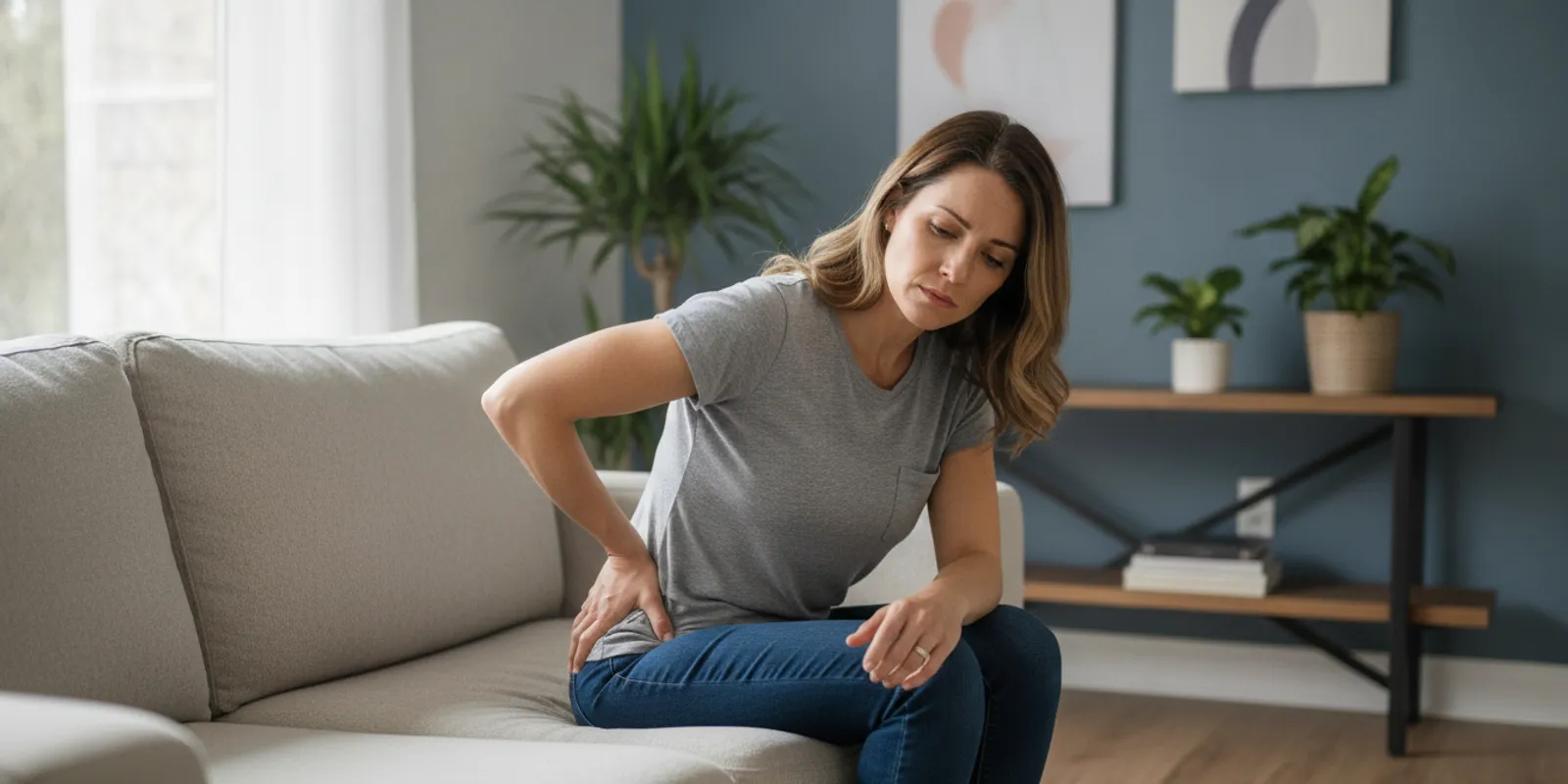
The symptoms of sciatica can range from a nagging, dull ache to a severe, jolting pain that makes it hard to sit, stand, or walk. Because the sciatic nerve is so long, you can feel discomfort anywhere along its path. Many people describe it as a burning sensation or a shooting pain that starts in the low back and radiates down one leg. You might also experience numbness, tingling, or even weak muscles in your leg or foot. Typically, these symptoms only affect one side of your body. The pain can be constant or it might come and go, often getting worse after long periods of sitting or with sudden movements like coughing or sneezing.
Sciatica vs. General Back Pain
It’s easy to confuse sciatica with general back pain, but they are not the same thing. Most back pain stays in your back. Sciatica is different because it involves nerve irritation, causing pain to travel. The defining feature of sciatica is that radiating pain that shoots down your leg. While you might feel some discomfort in your lower back, the main event is happening in your buttock, thigh, or calf. A common misconception is that sciatica is a leg problem, but the root issue is almost always in your lower spine, where something is pressing on the nerve. Identifying the true source of your pain is key to creating a treatment plan that actually works.
What Causes Sciatica?
Think of sciatica not as the problem itself, but as a signal that something else is going on in your lower back. That sharp, shooting pain is your sciatic nerve telling you it’s being compressed, irritated, or pinched. The real question is, what’s causing that pressure? Most often, the culprit is a mechanical issue in your spine. Your spine is a complex structure of bones, discs, and nerves, and when something is out of place, the sciatic nerve is often the first to feel it.
Understanding the root cause is the first step toward finding effective, lasting relief. It’s rarely just one thing; instead, it’s often a combination of structural changes and daily habits that lead to that familiar pain down your leg. By identifying what’s putting pressure on your nerve, a clinician can create a targeted plan to address the source of your discomfort, rather than just masking the symptoms. Below, we’ll look at the most common triggers for sciatica, from changes in your spinal discs to the way you sit at your desk every day.
Herniated Discs and Bone Spurs
One of the most frequent causes of sciatica is a herniated disc, sometimes called a slipped or ruptured disc. Your vertebrae are separated by soft, gel-like cushions that act as shock absorbers. When one of these discs is damaged, its soft center can push through the tougher exterior and press directly on the sciatic nerve. Another common mechanical issue is the growth of bone spurs, which are small, bony projections that can form on your vertebrae. While they don't always cause problems, they can narrow the space around the nerve, leading to painful compression and irritation. Both conditions effectively reduce the room your sciatic nerve has to function, triggering pain.
Spinal Stenosis and Nerve Compression
Another common cause is spinal stenosis, which is simply the narrowing of your spinal canal. Imagine the channel your spinal cord runs through becoming tighter; this can put pressure on the nerve roots that branch off to form the sciatic nerve. This narrowing often happens gradually as we age and can be related to conditions like osteoarthritis. Because the space for the nerves is reduced, even small movements can sometimes trigger irritation and pain. A clinician can help you find ways to open up this space through targeted exercises and manual techniques, relieving the nerve compression that causes your symptoms.
How Lifestyle and Posture Play a Role
While structural issues like herniated discs are often the direct cause, our daily habits play a huge role in creating the conditions for them to occur. Years of poor posture, whether from slumping at a desk or standing incorrectly, can place uneven pressure on your spine. This chronic stress can weaken your discs and contribute to the degenerative changes that lead to sciatica. Similarly, lifting heavy objects without proper form can cause sudden injury. Making smart lifestyle adjustments and learning to move with better body mechanics are fundamental parts of not just treating sciatica but also preventing it from coming back. A clinician is an expert in identifying these patterns and teaching you how to protect your spine.
Can Non-Surgical Rehabilitation Actually Help Sciatica?
When you’re dealing with the sharp, radiating pain of sciatica, you want relief, and you want it now. While pain medication can offer a temporary fix, it doesn't solve the underlying problem. Rehabilitation is different. It’s a non-surgical approach that aims to get to the root of what’s causing your sciatic nerve pain. By focusing on how your body moves, a skilled clinician can create a personalized plan to not only relieve your current symptoms but also build a stronger, more resilient body to prevent future flare-ups.
Treating the Cause, Not Just the Symptoms
Think of your clinician as a detective for your body. Instead of just masking the pain, their job is to figure out why the sciatic nerve is irritated in the first place. Is it a weak core? Tight hip muscles? Poor posture? Once they identify the source, they create a targeted plan to fix it. This approach involves specific exercises to strengthen your back and core muscles, improve flexibility in your hips and legs, and promote healthier movement patterns. With rehabilitation for sciatica, you’re not just getting temporary relief; you’re building a foundation for long-term spinal health and reducing the chances of the pain returning.
Common Myths About Rehabilitation for Sciatica
One of the biggest fears people have about rehabilitation is that it will hurt. It’s a valid concern, but the truth is that treatment should not be painful. While some exercises might feel challenging, a good clinician always works within your comfort level. Their goal is to use safe, guided movements to reduce your pain, not make it worse. Another common myth is that it’s only for recovering from a major injury or surgery. In reality, rehabilitation can help with managing chronic issues like sciatica, joint stiffness, and balance problems that can develop over time.
Why Rest Isn't Always the Best Medicine
When sciatica strikes, your first instinct might be to lie down and wait for it to pass. While a short period of rest can be helpful, staying in bed for days on end can actually do more harm than good. Prolonged inactivity causes your supportive core and back muscles to weaken and your joints to stiffen, which can make your recovery longer and more difficult. In fact, most studies have found little to no benefit to complete bed rest for sciatica. Gentle movement, like short walks and specific stretches recommended by your clinician, helps reduce inflammation, improve blood flow, and keep your muscles active, leading to a faster and more effective recovery.
Key Rehabilitation Techniques for Sciatica
When you think of rehabilitation, you might just picture a series of exercises. But a skilled clinician has a wide range of techniques to draw from, especially when treating something as complex as sciatica. The goal is to create a personalized plan that not only relieves your immediate pain but also addresses the root cause of the nerve irritation. This comprehensive approach combines hands-on treatments with targeted movements and practical education to help you heal and prevent future flare-ups. A good clinician will use a combination of these methods, tailoring them to your specific symptoms and how your body responds. It’s this customized strategy that helps you get back to your life, moving with confidence and without pain.
Manual Therapy and Joint Mobilization
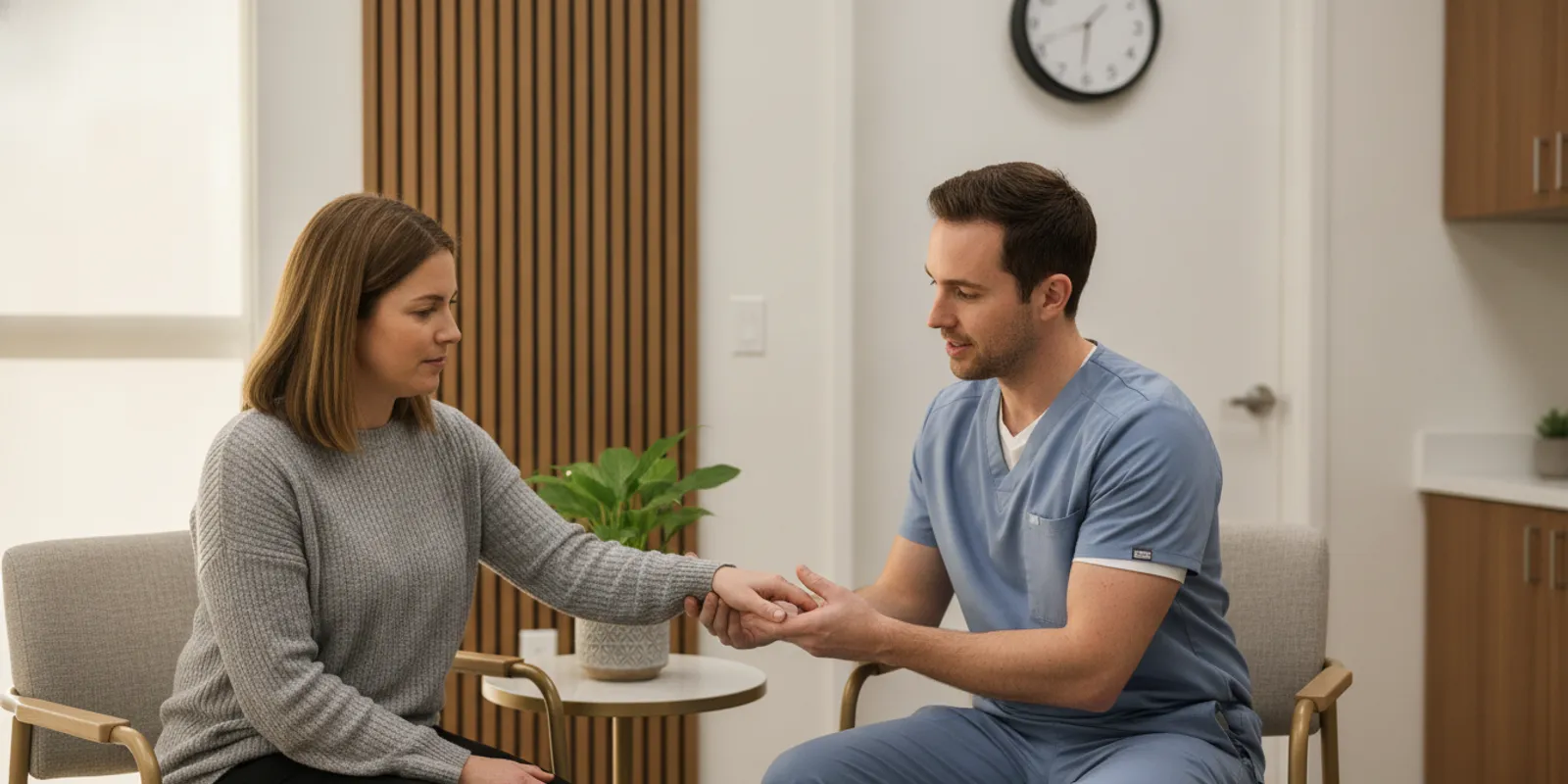
Manual therapy involves skilled, gentle pressure and movements applied to your joints and soft tissues. For sciatica, your clinician might focus on mobilizing the joints in your lower back and pelvis. The goal is to reduce stiffness, improve your spine’s mobility, and create more space around the sciatic nerve root. This can decrease compression and provide significant pain relief. Think of it as carefully restoring movement to areas that have become stuck or restricted. These manual therapy techniques can make it easier and less painful for you to perform the strengthening exercises that are crucial for long-term recovery.
Nerve Gliding Exercises
If your sciatic nerve is irritated, it can get "stuck" to the surrounding tissues instead of sliding smoothly as you move. Nerve gliding, sometimes called nerve flossing, uses gentle, specific movements to help free the nerve. These aren't your typical stretches; they are controlled exercises designed to gently mobilize the sciatic nerve along its entire path from your lower back down to your foot. Your clinician will teach you the correct way to perform these movements. By encouraging the nerve to move more freely, you can help reduce inflammation and relieve the tingling, numbness, or burning sensations associated with sciatica.
The McKenzie Method for Spinal Health
The McKenzie Method is a widely used assessment and treatment system used for back, neck, and limb pain. When it comes to sciatica, a clinician trained in this method will guide you through a series of repeated movements to see how your symptoms respond. The primary goal is to find a specific movement or position that "centralizes" your pain, meaning the pain retreats from your leg or foot and moves closer to your spine. This centralization is a key indicator that the pressure on the nerve is being reduced. This approach also empowers you by teaching you which movements to perform to manage your own symptoms if they start to return.
Pain Relief Tools: Heat, Ice, and More
To help manage your pain and make your sessions more productive, your clinician may use a variety of tools. These aren't a cure on their own, but they can be incredibly helpful for calming down acute symptoms. Applying heat can help relax tight muscles, while ice can reduce inflammation and numb the area. Your clinician might also use transcutaneous electrical nerve stimulation (TENS), which sends a mild electrical current to disrupt pain signals. Another tool is therapeutic ultrasound, which uses sound waves aimed at deep tissues. These pain relief tools help get your pain under control so you can focus on the active parts of your recovery.
Improving Your Posture and Body Mechanics
One of the most valuable parts of rehabilitation is learning how to move your body in a way that protects your spine. Your clinician will act as your personal movement coach, analyzing how you sit, stand, walk, and lift. They can then teach you simple adjustments to reduce strain on your lower back. This might include learning how to properly lift something from the floor, how to set up your chair for better posture, or how to avoid twisting motions that can trigger pain. Mastering proper body mechanics is essential for long-term success, as it helps you build habits that prevent the problem from coming back.
Best Stretches and Exercises for Sciatica
When you’re dealing with sciatica, the idea of exercise might seem counterintuitive, but targeted movement is one of the most powerful tools for relief. The right exercises don't just mask the pain; they address the root of the problem. A clinician will design a program specifically for you, focusing on two main goals: gently stretching the muscles that may be compressing the nerve and strengthening the core and back muscles that support your spine.
This combination helps create more space for the sciatic nerve, reducing irritation and that signature radiating pain. It also builds a stronger, more resilient foundation to prevent the problem from returning. Think of it as giving your spine a better support system. The key is performing the right movements correctly and consistently. While some general stretches can be helpful, a personalized plan from a professional ensures you’re doing what’s best for your body without risking further injury. Rehabilitation offers an evidence-based approach to managing sciatica by tackling the underlying causes of nerve irritation through this combination of targeted exercise and education.
Stretches to Relieve Nerve Tension
The goal of stretching for sciatica is to gently release tension around the sciatic nerve, not to force a deep, painful stretch. Your clinician will guide you through specific movements, like nerve glides (or "nerve flossing"), which are designed to carefully mobilize the nerve and reduce irritation where it might be pinched. These are subtle movements that encourage the nerve to move more freely through its pathway. You’ll also learn stretches for your hamstrings, hip rotators, and lower back, as tightness in these areas can contribute to sciatic pain. This patient education can help prevent future episodes and support your long-term spinal health.
Exercises to Strengthen Your Core and Glutes
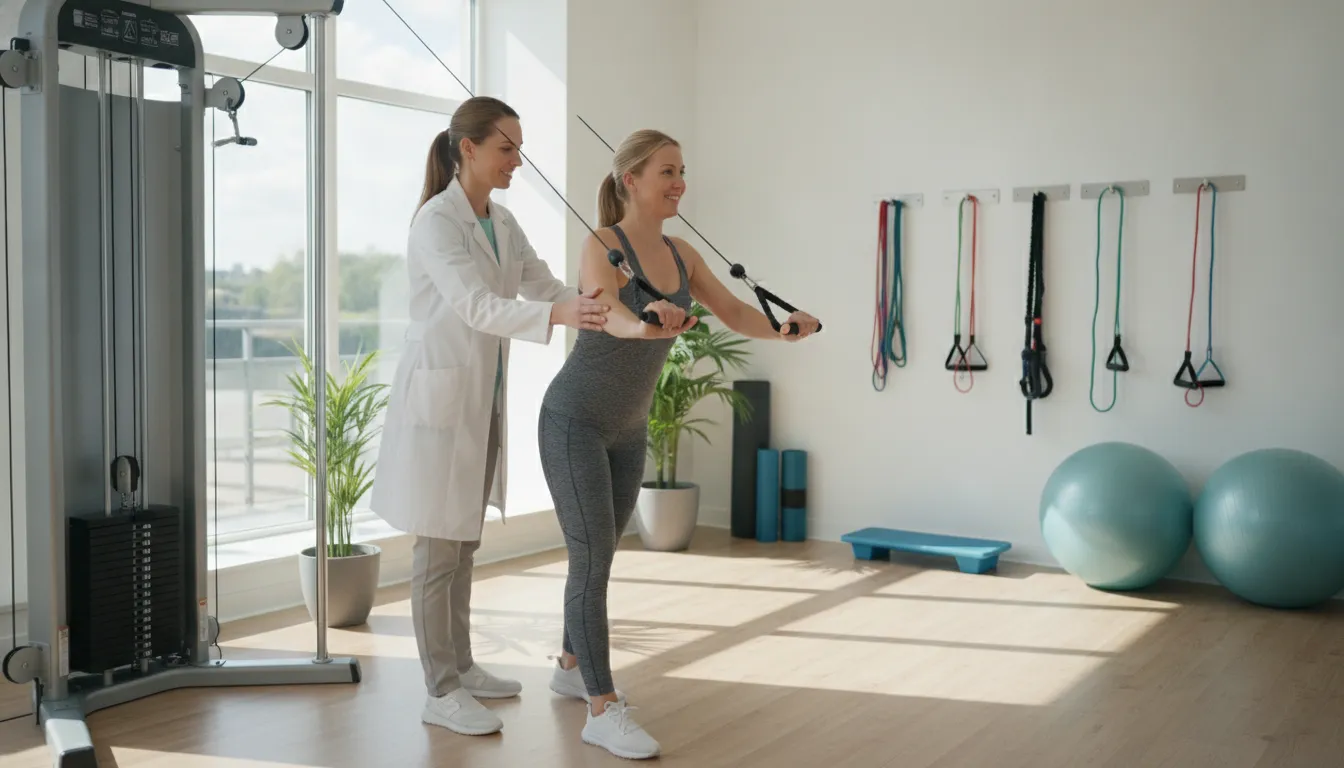
A strong core and active glute muscles are your spine’s best friends. When these muscles are weak, your lower back has to take on more strain, which can lead to issues like herniated discs and nerve compression. Your clinician will introduce you to low-impact strengthening exercises that stabilize your pelvis and spine. The main goal is to reduce pressure on the sciatic nerve by improving your body's alignment. Common exercises include bird-dogs, dead bugs, and modified planks. These movements teach your deep core muscles to fire correctly, providing internal support for your back without putting it under any stress.
What to Avoid During a Flare-Up
Knowing what not to do is just as important as knowing what to do, especially during a painful flare-up. Certain movements can increase pressure on the sciatic nerve and make your symptoms worse. Your clinician will educate you on avoiding specific movements that trigger pain, such as heavy lifting, sudden twisting of the spine, or bending forward from the waist. High-impact activities like running or jumping are also usually off-limits until the inflammation subsides. Many people with sciatica get frustrated because at-home treatments don't always work, and it's easy to accidentally set your recovery back. Learning to modify your daily movements is a crucial step toward healing.
Your Rehabilitation Plan: What to Expect
Starting rehabilitation can feel like a big step, but your plan is simply a personalized roadmap designed to get you back to the activities you love. It’s a collaborative journey that unfolds in stages, starting with a thorough evaluation and adapting as you get stronger. This process ensures your treatment is always aligned with your body’s needs and your personal goals for recovery. Here’s a look at what you can expect as you move through your treatment.
Your Initial Assessment and Goals
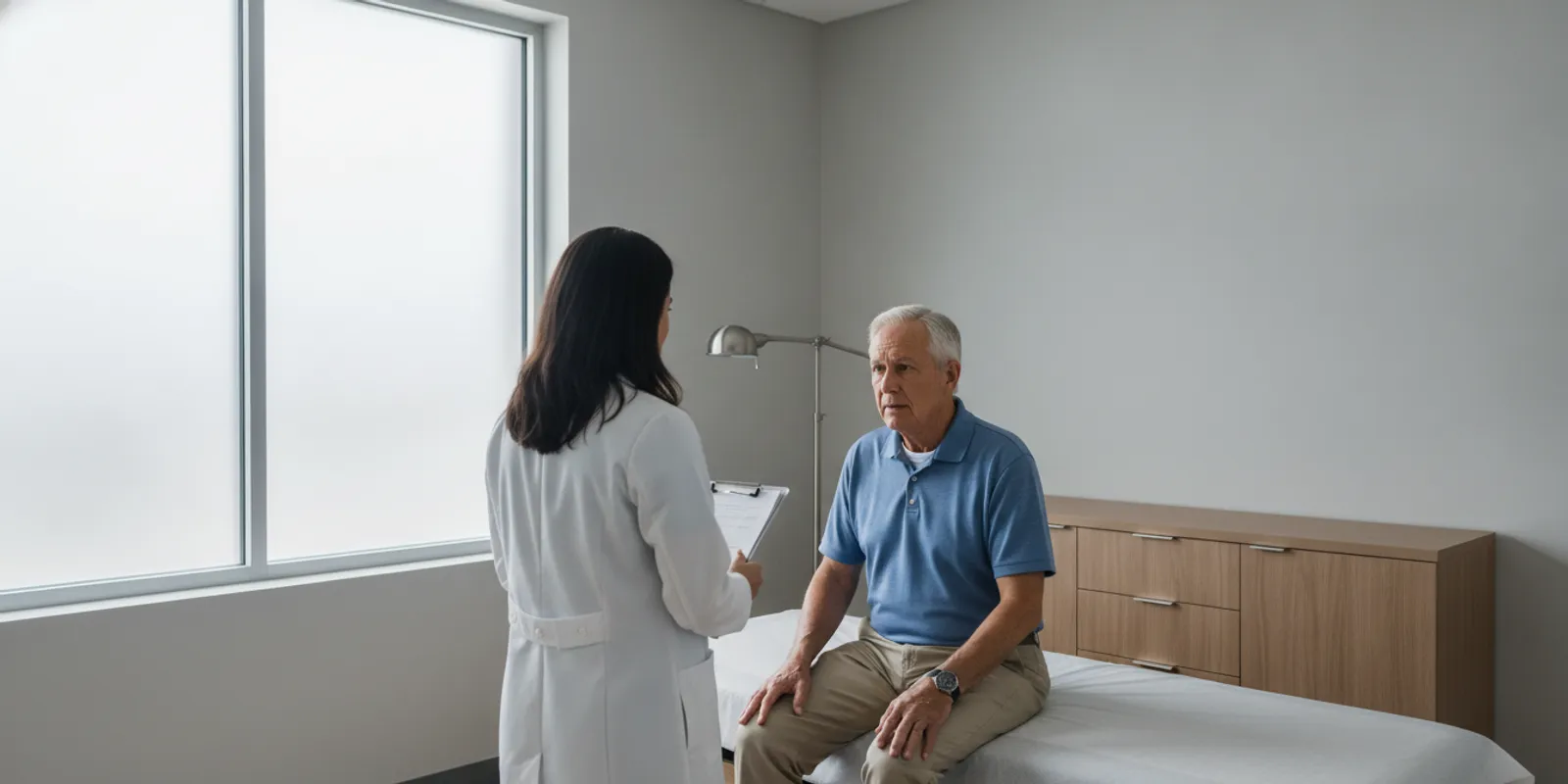
Your first appointment is all about understanding your unique situation. We focus on figuring out why your symptoms developed in the first place, not just confirming that you have sciatica. Your clinician will ask when your pain began, where you feel it, what activities make it better or worse, and how it impacts your daily routine. This conversation is key to building an effective plan. Based on this discussion and a physical evaluation, we will work with you to set meaningful goals. This ensures your treatment plan is built around what matters most to you, whether that’s returning to a favorite hobby or moving through your day with confidence and ease.
The First Few Weeks of Treatment
The initial phase of your treatment focuses on providing relief while addressing the root cause of your pain. We use an evidence-based approach that combines gentle, hands-on techniques with targeted exercises. The goal is to calm the irritated sciatic nerve and begin restoring healthy movement patterns. You’ll learn specific exercises designed to strengthen your core and back muscles, improve your flexibility, and support your spine. Your clinician will guide you through each movement, ensuring you feel comfortable and safe. This early work lays the foundation for not only alleviating your current symptoms but also preventing them from returning in the future.
Tracking Your Progress Over Time
Your rehabilitation plan is not set in stone; it’s a dynamic guide that evolves with you. We continuously monitor how you’re responding to treatment and make adjustments along the way. During your sessions, we’ll check in on your symptoms, assess your movement, and listen to your feedback. If a certain exercise isn’t helping or is causing discomfort, we’ll modify it. As you get stronger and your pain subsides, we will gradually advance your program by introducing new exercises or increasing the challenge. This flexible approach ensures your plan always matches your current abilities and keeps you moving steadily toward your recovery goals.
Adapting Your Plan as You Heal
A huge part of successful recovery is learning how to protect your spine during everyday activities. Your clinician will teach you how to move, sit, and lift safely to avoid triggering your sciatica. This includes education on which movements to be mindful of, such as sudden twisting or bending, that can put stress on your lower back. We emphasize gradual progression and using the proper technique for every exercise to keep you safe and build your confidence. Our goal is to empower you with the knowledge and skills you need to manage your condition independently and stay active for years to come.
Learning to Manage Sciatica for Good
Rehabilitation isn’t just about finding relief during a flare-up; it’s about giving you the tools and knowledge to manage sciatica for the long haul. True recovery involves understanding your body and making sustainable changes that support a healthy, pain-free spine. Think of your clinician as a coach who not only helps you heal but also teaches you how to prevent future injuries. This proactive approach is what empowers you to stay active and in control of your health, moving from simply reacting to pain to building a stronger, more resilient body.
Find the Root Cause of Your Pain
One of the most significant benefits of rehabilitation is its focus on finding and treating the source of your sciatica. Instead of just masking the pain, your clinician performs a detailed assessment to figure out why your sciatic nerve is irritated. Is it a herniated disc, a tight piriformis muscle, or something else? Once they identify the underlying mechanical issue, they can create a targeted treatment plan. This evidence-based approach ensures you’re not just getting temporary relief. You’re addressing the actual problem, which is the key to breaking the cycle of pain and achieving lasting results.
How to Move, Sit, and Stand Pain-Free
So much of our day involves simple movements we don’t think about, like sitting at a desk, bending to pick something up, or getting out of a car. When you have sciatica, these everyday actions can become major sources of pain. A huge part of rehabilitation is patient education, where you learn how to perform these movements correctly. Your clinician will provide personalized ergonomic advice for your workspace and teach you proper body mechanics for lifting and bending. This guidance helps you protect your spine during daily activities, reducing strain and preventing future flare-ups.
Simple Lifestyle Changes for a Healthy Spine
Your rehabilitation sessions are incredibly important, but the choices you make outside the clinic play a massive role in your recovery. Managing sciatica is a collaborative effort between you and your clinician. This means making small but meaningful lifestyle adjustments that support your spinal health. Things like staying hydrated, maintaining a healthy weight to reduce pressure on your spine, and choosing supportive footwear can make a big difference. By understanding your body’s limits and making these conscious changes, you actively participate in your healing and set yourself up for long-term success.
Why Sticking to Your Home Exercises Is Crucial
Your clinician will give you a set of exercises to do at home, and your commitment to this program is essential for your recovery. These exercises are designed to build on the progress you make during your sessions, helping to strengthen your core, improve flexibility, and maintain spinal stability. Consistency is key. Doing your exercises regularly helps retrain your muscles and reinforces healthy movement patterns. Your clinician will emphasize proper technique and gradual progression to keep you safe. Sticking with your home program is what solidifies your gains and transforms short-term relief into a long-term solution.
How to Manage Pain Between Sessions
Your rehabilitation sessions are the cornerstone of your recovery, but what you do in the days between appointments matters just as much. Managing sciatica isn't just about the exercises you do with your clinician; it's about building a routine that supports your body and keeps pain from taking over your life. Think of it as continuing the healing process at home. By integrating a few simple strategies into your daily life, you can stay more comfortable, reduce flare-ups, and make your rehabilitation even more effective.
The key is to find a sustainable rhythm that works for you. This involves using simple tools like heat and cold to manage immediate discomfort, continuing with safe movements to maintain flexibility, and making small but powerful adjustments to your environment. These aren't meant to replace the expert guidance you receive during your sessions, but to complement it. By taking an active role in your pain management, you empower yourself to feel better and stay on track with your long-term goals for a healthy, active life.
Using Heat and Cold for Daily Relief
When a wave of pain hits, having a simple relief strategy can make all the difference. Heat and cold therapy are two of the most effective and accessible tools for managing sciatica discomfort at home. Heat, like from a heating pad or a warm bath, helps relax tight muscles around your lower back and hips, improving circulation to the area. This can ease the stiffness that often comes with nerve pain.
On the other hand, cold therapy from an ice pack (wrapped in a towel to protect your skin) works to reduce inflammation and has a numbing effect on sharp, acute pain. For many people, alternating between the two provides the most complete relief. You might try using heat for 20 minutes to loosen things up, followed by 20 minutes of cold to calm any lingering irritation. Always listen to your body and check with your clinician for the approach that’s best for you.
Safe Stretches and Movements for Home
While it might feel counterintuitive to move when you’re in pain, gentle, targeted movement is crucial for sciatica recovery. The goal is to relieve pressure on the sciatic nerve, not to push through pain. Your clinician will give you a specific set of exercises designed for your body, and sticking to that plan is your most important task. These movements often focus on gently stretching the hamstrings, hips, and lower back, as tightness in these areas can contribute to nerve irritation.
As you perform your home exercises, pay close attention to how you feel. A good stretch should feel like a mild pull or release, never a sharp or radiating pain. If a movement causes your symptoms to worsen, stop immediately and let your clinician know. Remember, consistency is more important than intensity. A few minutes of safe, prescribed stretching each day can alleviate sciatica pain and help you maintain the progress you make in your rehabilitation sessions.
Simple Changes to Your Workspace and Home
Your environment plays a surprisingly large role in managing sciatica. Hours spent sitting at a desk or on a soft couch can put continuous strain on your lower back, undoing the hard work you put in during rehabilitation. Making a few simple ergonomic adjustments can significantly reduce this daily strain. If you work at a desk, make sure your chair provides good lumbar support and that your feet are flat on the floor. Your computer screen should be at eye level to prevent you from hunching forward.
Beyond your workspace, be mindful of your posture throughout the day. Try not to sit in one position for too long. Set a timer to remind yourself to get up, walk around, and do a gentle stretch every 30 to 60 minutes. These small breaks prevent your muscles from getting stiff and give your spine a chance to decompress. These simple habits don't require a major lifestyle overhaul, but they add up to create a spine-friendly routine that protects you from future pain.
How Rehabilitation Helps Prevent Future Flare-Ups
Getting out of pain is the first step, but staying out of pain is the real goal. Rehabilitation can be so helpful because it doesn’t just soothe your current symptoms; it gives you the tools and strength to prevent sciatica from coming back. It’s a proactive approach that focuses on building a more resilient body for the long haul. Instead of just masking the pain, your clinician works to identify and correct the underlying mechanical issues that caused the nerve irritation in the first place. This might involve imbalances in your muscles, stiffness in your joints, or movement patterns you’ve developed over years.
By addressing the root causes of your pain and teaching you how to care for your spine, rehabilitation empowers you to regain control and keep future flare-ups at bay. This process is a partnership between you and your clinician, aimed at creating lasting change that you can feel in every part of your life, from walking the dog to playing with your grandkids. It’s about moving from a reactive cycle of pain and rest to a confident, active lifestyle where you understand your body and know how to support it.
Create Long-Term Spinal Stability
Think of your spine as the mast of a ship and your core muscles as the rigging that holds it steady. If the rigging is weak or unbalanced, the mast is vulnerable. The main goal of rehabilitation for sciatica is to strengthen the deep core and back muscles that support your spine. This isn't about getting a six-pack; it's about building a natural corset of muscle that stabilizes your vertebrae and pelvis. By improving this foundational support and increasing flexibility, you reduce the daily strain on your lower back. This takes pressure off the sciatic nerve, directly addressing the source of the pain and making it much less likely to get irritated in the future.
Adopt Habits That Protect Your Spine
You can do all the right exercises in the clinic, but what happens during the other 23 hours of the day? A huge part of rehabilitation is learning how to move your body safely and efficiently in your everyday life. Your clinician is also a coach who provides crucial patient education on things you might not even think about, like how to sit at your desk, lift a bag of groceries, or get out of bed without putting stress on your spine. They’ll give you personalized ergonomic advice and help you practice better posture and body mechanics until they become second nature. Adopting these healthy habits is what truly builds a foundation for lifelong spinal health.
When to Consider Other Treatments Alongside Rehabilitation
Rehabilitation is a well-studied, evidence-based approach for sciatica, but it doesn’t have to be the only tool in your toolkit. Think of your recovery as a team effort. While your clinician acts as the coach for improving your movement and strength, sometimes you need to bring in other players to manage pain, accelerate healing, and address your health from all angles. This is especially true if your pain is severe, has lasted for a long time, or isn't improving as quickly as you’d like.
A comprehensive care plan looks at the whole picture. It combines the foundational work of rehabilitation with other treatments that support your body’s natural healing processes. This integrated approach can help you get back to feeling your best faster and more sustainably. It’s not about replacing rehabilitation, but rather enhancing its effects. By pairing rehabilitation with other supportive care, you give your body a better chance to address the underlying issue, reduce inflammation, and build a resilient spine for the long haul. This ensures you’re not just masking symptoms but creating lasting change.
Combining Rehabilitation with Other Care
Managing sciatica is a partnership between you and your care team. A huge part of rehabilitation involves patient education, where you learn how to make lifestyle adjustments that support a healthy spine. While your clinician focuses on correcting the mechanical issues causing your pain, other treatments can provide powerful support. For instance, some people discuss regenerative medicine options, while non-surgical pain relief approaches may ease discomfort enough to make it easier to participate fully in your rehabilitation sessions. This combined strategy aims to make sure every aspect of your recovery is addressed.
Red Flags: When to See a Doctor
It’s important to listen to your body and know when to seek further medical advice. While your clinician can guide your movement, certain symptoms warrant a doctor's evaluation to rule out more serious issues. If your sciatica symptoms last for more than a couple of weeks without any improvement, it's time to check in. You should also see a doctor immediately if you experience any "red flag" symptoms, including severe muscle weakness in your leg, loss of bladder or bowel control, or pain accompanied by a fever.
Remember, while some exercises may feel challenging, a clinician will always work within your comfort level. Sharp, shooting, or worsening pain is not part of the plan. Speaking up about these signs isn’t a setback; it’s a crucial step in getting the safe, effective, and complete care you deserve.
Frequently Asked Questions
How long does rehabilitation take to relieve sciatica? This is a great question, and the honest answer is that it varies for everyone. Some people feel a noticeable improvement after just a few sessions as we work to calm the initial nerve irritation. However, the real, lasting change comes from addressing the root cause. The first phase of treatment focuses on pain relief, but the bigger goal is to build strength and better movement habits to prevent the pain from returning. Think of it as a process: we first work on putting out the fire, and then we rebuild the structure to be stronger than it was before.
I’m in a lot of pain. Will the exercises make it worse? It’s completely understandable to worry that movement will increase your pain. A core principle of rehabilitation is to work with your body, not against it. Your clinician’s goal is to find movements that relieve pressure on the nerve, not add to it. While you might feel a gentle stretch or the challenge of engaging new muscles, treatment should never cause sharp or radiating pain. Your clinician will constantly check in with you and adjust your plan to ensure you always feel safe and in control.
Can sciatica be cured, or will I have to deal with this forever? For most people, sciatica is not a life sentence. The pain you feel is a symptom of an underlying issue, like a herniated disc or spinal stenosis. Rehabilitation focuses on addressing that root cause. By strengthening your supportive core muscles, improving your posture, and learning how to move safely, you can significantly reduce the chances of it coming back. The goal is to move from managing a crisis to building a resilient body that can handle daily life without triggering pain.
Why can't I just do sciatica stretches I find online? While there are many resources available, sciatica isn't a one-size-fits-all problem. The stretch that helps one person might actually worsen the condition for another, depending on what is causing the nerve compression. A clinician performs a thorough assessment to identify your specific issue. This allows them to create a targeted plan with exercises that are right for your body. This personalized approach is safer and far more effective than guessing with generic advice.
What if my pain comes back after I finish rehabilitation? One of the most valuable parts of rehabilitation is the education you receive. You don't just get treated; you learn how to take care of your own body for the long term. Your clinician will teach you which movements to be mindful of, how to adjust your daily activities, and what to do at the first sign of a flare-up. You’ll leave with a personalized home exercise program and the knowledge to manage your spinal health independently, which is the best tool for keeping pain from returning.