Muscle Strain Treatment After 50: A Safe Recovery Guide
Many people try to “push through” muscle pain, especially when they want to stay active and independent. That approach can turn a manageable injury into a longer recovery. A muscle strain may affect a small number of fibers or involve a more serious tear, and the symptoms do not always reveal the full extent of the damage. Effective muscle strain treatment starts with an accurate understanding of what happened. From there, the plan may include short-term symptom relief, gentle mobility, targeted rehabilitation, and a gradual return to exercise. Here’s how to protect the injured area while rebuilding the strength needed for daily life and recreation.
Key Takeaways
- Know when a strain needs care: Sudden pain, a pop, major swelling, bruising, weakness, numbness, or trouble bearing weight warrants prompt medical evaluation.
- Start with protection, then progress: Limit painful activities, use cold therapy and light compression when appropriate, then add comfortable movement and strengthening as symptoms settle.
- Return to activity based on function: Resume demanding exercise only after motion, strength, balance, and daily activities feel reliable, and seek personalized guidance for persistent or recurring symptoms.
What Is a Muscle Strain, and How Can You Recognize It?
A muscle strain, often called a pulled muscle, happens when muscle fibers stretch too far and tear. The injury may involve a few fibers or a larger section of muscle, affecting your strength and movement. Common locations include the back, abdomen, groin, hip flexors, hamstrings, and calves. A strain can happen during exercise, but everyday movements such as lifting, twisting, reaching, or stepping awkwardly can cause one too.
After 50, changes in muscle strength, flexibility, balance, and recovery may increase the chance of injury or slow the healing process. That does not mean you need to stop exercising. It does mean you should pay attention to new symptoms instead of assuming every ache is ordinary soreness. The Cleveland Clinic’s guide to muscle strains covers common symptoms, injury grades, causes, and treatment considerations.
A sudden pop, sharp pain, swelling, bruising, or immediate weakness deserves prompt attention. You should also seek medical advice if you cannot use the affected limb normally, bear weight, or move through your usual range of motion. These symptoms may indicate a more serious tear or a different injury that requires another treatment approach.
Compare muscle strains, soreness, sprains, and tendon injuries
A muscle strain affects muscle fibers or the tendon connected to the muscle. It often causes pain during a specific movement, along with tenderness, weakness, or reduced mobility.
Ordinary post-exercise soreness usually develops gradually, often several hours after unfamiliar or strenuous activity. It tends to affect the muscles you worked and may improve with gentle movement. A strain is more likely to cause sudden, localized pain during a movement or immediately afterward.
A sprain affects a ligament, the strong band of tissue connecting one bone to another. A tendon injury affects the tissue connecting muscle to bone. These injuries can feel similar to a strain, particularly around the shoulder, knee, ankle, or hip. Since treatment differs, an accurate diagnosis matters. The American Academy of Orthopaedic Surgeons explains muscle, ligament, and tendon injuries.
Identify pain, tenderness, swelling, and weakness
Symptoms depend on the muscle involved and the amount of tissue damage. Common signs include:
- Sudden or increasing pain
- Tenderness when you touch the area
- Swelling or bruising
- Muscle spasms or cramping
- Weakness during activity
- Stiffness or limited range of motion
- Difficulty walking, lifting, reaching, or using the affected area
- A popping, snapping, or tearing sensation when the injury occurs
A mild strain may cause discomfort while still allowing normal daily activities. A more serious tear can make simple tasks difficult. For example, a calf strain may make it hard to push off while walking, while a hamstring strain may cause pain when bending the knee or climbing stairs.
Watch how your symptoms change during the next day or two. Worsening pain, rapidly increasing swelling, extensive bruising, or a visible dip in the muscle may signal a more serious injury. Numbness and tingling are not typical strain symptoms and may indicate nerve involvement or another condition. Seek medical advice instead of exercising through these symptoms.
Understand Grade 1, 2, and 3 strains
Healthcare professionals classify strains according to the amount of muscle damage:
- Grade 1: A mild strain involving a small number of muscle fibers. You may have localized soreness and minor weakness, but movement is usually still possible.
- Grade 2: A partial muscle tear. Pain, swelling, bruising, weakness, and limited movement are more noticeable, and normal activities may become difficult.
- Grade 3: A complete muscle tear or rupture. This can cause severe pain, major weakness, a visible change in the muscle’s shape, or a significant loss of function. Some Grade 3 injuries require surgery.
These grades offer a general framework, but symptoms do not always show the full extent of the injury. A healthcare professional may evaluate your strength, range of motion, gait, and tenderness. An ultrasound or MRI may help when the diagnosis is uncertain or a severe tear is suspected. The Cleveland Clinic outlines the three strain grades.
Avoid repeatedly testing a painful muscle to determine its grade. Sprinting, lifting, deep stretching, or forceful massage may worsen the injury. Protect the area, stop activities that cause pain, and arrange an evaluation when symptoms are severe or your function has changed.
Recognize causes and risk factors after 50
Strains often occur when a muscle must produce force quickly or while it is lengthened. Sprinting, jumping, sudden changes in direction, twisting, lifting, and reaching can all create this combination. Repetitive work or recreational activity may also cause a strain when the muscle does not have enough time to recover.
Risk factors include:
- Tight or stiff muscles
- Reduced strength or muscle imbalance
- Poor balance or altered walking mechanics
- Skipping a warm-up
- Increasing exercise volume or intensity too quickly
- Training while fatigued
- Returning to activity before a previous injury has healed
- A previous strain in the same area
- Scar tissue that is less flexible than healthy muscle
Age alone does not prevent recovery, but it makes preparation and gradual progression more important. Regular strength training, mobility work, balance exercises, adequate protein, and sufficient rest can support active aging. A clinician can assess movement patterns and muscle imbalances that may contribute to repeated strains.
If you have diabetes, circulation problems, nerve symptoms, or take blood-thinning medication, discuss a new injury with a healthcare professional sooner. These factors can affect bruising, healing, sensation, and the safety of certain treatments.
What Should You Do First for a Muscle Strain?
The first priority is to reduce stress on the injured muscle while avoiding complete inactivity for too long. A mild strain may improve with careful home treatment, but severe pain, rapid swelling, extensive bruising, weakness, or difficulty using the limb should be evaluated by a healthcare professional. If you heard a pop or cannot bear weight, seek medical attention promptly.
Protect the area with relative rest
For the first few days, avoid the movement that caused the injury and any activity that clearly increases your pain. Relative rest does not necessarily mean staying in bed. Instead, adjust your routine so the muscle can settle while you continue safe, comfortable movement.
For example, after a calf strain, avoid running, hills, and long walks. Short, easy movements around your home may be appropriate if they do not increase pain or cause limping. A cane, brace, or other support may help in some cases, but it should be recommended and fitted by a healthcare professional. The Cleveland Clinic’s muscle strain guidance explains when home care may be suitable and when an examination is needed.
Use RICE for short-term pain and swelling
During the first few days, RICE may help manage discomfort and swelling. The acronym refers to rest, ice, compression, and elevation. These measures can provide short-term support while the initial irritation settles.
Rest the muscle from painful activity, apply cold safely, use light compression, and elevate the injured limb when practical. Keep in mind that RICE is not a complete treatment plan. As pain and swelling improve, recovery should gradually include comfortable movement and, when appropriate, exercises that restore strength and function.
Use ice and compression safely
Wrap an ice pack in a thin towel and apply it for 15 to 20 minutes at a time. You can repeat this every two to three hours during the first few days. Never put ice directly on your skin. Stop if the area becomes numb, pale, intensely painful, or irritated.
Compression should feel supportive, not restrictive. If an elastic bandage causes more pain, tingling, numbness, coolness, or a change in skin color, remove it. Check the skin regularly, especially if you have diabetes, neuropathy, or circulation problems. The Cleveland Clinic’s recommendations for muscle strains include practical instructions for using ice and compression safely.
Know RICE’s limits: it controls symptoms but does not heal injuries
RICE may make the early stage more comfortable, but it does not repair damaged muscle fibers or restore lost strength. Research has not firmly confirmed its effectiveness in randomized clinical trials, although it is generally considered safe and may help limit bleeding and the size of a hematoma. A review of skeletal muscle injury treatment explains why symptom relief should not replace rehabilitation.
Do not use ice, compression, or pain medication to ignore symptoms and return to strenuous activity too soon. Pain that increases during movement, returns later in the day, or feels worse the next morning may indicate that you did too much. Recovery should be measured by improving comfort, motion, strength, and daily function.
Add gentle movement during the first few days
Complete immobilization can contribute to stiffness and muscle loss, particularly as muscle mass and recovery capacity change with age. If sharp pain and major swelling begin to settle, try small, pain-free movements within a comfortable range. These might include slowly bending and straightening a nearby joint or taking a short, easy walk if you can do so without limping.
Do not force a stretch or repeatedly test your strength. A mild pulling sensation may be acceptable, but sharp pain, catching, instability, or increased swelling means you should stop. After the acute phase, often within three to seven days, gentle movement can help restore flexibility and limit deconditioning. Your timeline may be longer with a moderate or severe strain, so use symptoms and professional guidance to determine when to progress.
Know when to use heat, massage, and stretching
After two or three days, if significant swelling has stopped, a warm compress for 10 to 20 minutes may help the muscle relax before gentle movement. Avoid heat when the area is actively swelling, hot, or freshly bruised, since it may worsen those symptoms.
Wait until the muscle tolerates comfortable movement before adding stretching. Keep each stretch gentle and brief, without bouncing or forcing the end position. Avoid deep massage over a fresh injury, especially while bruising or swelling is spreading. Later in recovery, your clinician can help determine whether massage, stretching, or other hands-on treatment fits your injury and healing stage. This personalized approach is especially helpful when pain persists or normal movement does not return.
How Can You Manage Muscle Strain Pain Safely?
Pain relief can make it easier to sleep, walk, and begin gentle movement after a muscle strain. It should support recovery, however, not hide symptoms that point to a more serious injury. Adults over 50 should consider their liver and kidney health, blood pressure, fall risk, current medications, and other medical conditions before choosing an over-the-counter pain reliever.
For a mild strain, treatment may include relative rest, cold therapy during the first day or two, light compression, elevation, and comfortable movement. Avoid complete inactivity, since prolonged rest can contribute to stiffness and weakness. If pain is severe, worsening, or interfering with normal activities, seek medical advice instead of relying on medication alone. The American Academy of Orthopaedic Surgeons’ guidance on muscle strains explains common symptoms and treatment approaches.
Use acetaminophen for pain relief
Acetaminophen may be an appropriate short-term option for pain after a muscle strain. A review of skeletal muscle injuries identifies over-the-counter pain relievers such as acetaminophen as a preferred choice during the first 48 hours. It helps relieve pain without working primarily as an anti-inflammatory medication.
Follow the product label or your clinician’s instructions carefully. Several prescription and over-the-counter products, including some cold and allergy medicines, also contain acetaminophen. Combining them can result in taking more than intended.
Ask a clinician or pharmacist whether acetaminophen is appropriate if you have liver disease, regularly drink alcohol, or take multiple medications. The FDA’s acetaminophen safety information explains how to check active ingredients and follow safe dosing instructions.
Weigh the benefits and risks of ibuprofen and naproxen
Ibuprofen and naproxen belong to a group of medications called NSAIDs, or nonsteroidal anti-inflammatory drugs. They can reduce pain and inflammation, which may help some people with a muscle strain. However, their use after a muscle injury remains debated. Some research suggests NSAIDs may delay muscle regeneration or affect muscle strength in certain situations.
This does not mean NSAIDs are unsafe for everyone. It means the possible benefits should be weighed against your health history, injury severity, and planned duration of use. A short course may be suitable for one person but carry unnecessary risk for another.
Do not take ibuprofen and naproxen together. Also, avoid adding aspirin unless your clinician specifically recommends it. Combining NSAIDs increases the risk of side effects without necessarily providing better pain relief. A pharmacist can help you identify which products contain an NSAID.
Consider NSAID safety after 50
NSAIDs can cause gastrointestinal bleeding, kidney problems, fluid retention, higher blood pressure, and asthma-related reactions. These concerns deserve extra attention if you have a history of ulcers, kidney disease, heart disease, high blood pressure, or circulation problems.
You may also need to avoid or limit NSAIDs if you take blood thinners, corticosteroids, certain blood-pressure medications, or low-dose aspirin. Dehydration can place additional stress on the kidneys, so use caution when you are sick, sweating heavily, or drinking less fluid than usual.
Before taking ibuprofen or naproxen, review your medication list with a clinician or pharmacist. The FDA’s information on NSAIDs outlines important cardiovascular and gastrointestinal warnings. Seek prompt medical attention for black stools, vomiting blood, chest pain, unusual shortness of breath, or a major decrease in urination.
Try topical pain relief options
Topical products may provide temporary relief for localized muscle discomfort. Menthol creams, gels, and roll-ons create a cooling or warming sensation that can change how the area feels. They may be useful when pain is mild and limited to one muscle group.
Apply topical products exactly as directed. Do not use them on broken, irritated, or infected skin. Wash your hands after application, and avoid placing a tight wrap or heating pad over the product unless the label specifically allows it. Heat may increase skin irritation or medication absorption.
Topical NSAIDs, such as diclofenac gel, may help certain types of localized pain, but they still carry potential risks. Do not combine them with oral NSAIDs without medical advice. Harvard Health provides additional information about recovering from a muscle strain, including topical menthol products.
Review dosing, interactions, and medications
Before taking a pain reliever, check its active ingredients, strength, directions, and maximum daily amount. Keep an updated list of prescriptions, supplements, and over-the-counter products. Sharing this list with a clinician or pharmacist can reveal interactions that are easy to miss.
Pay close attention if you take medication for blood pressure, diabetes, heart rhythm, cholesterol, sleep, or arthritis. Some supplements can also affect bleeding, blood pressure, or liver function. Alcohol may increase the risk of liver injury with acetaminophen and can worsen dizziness when combined with certain medications.
Do not use pain medication to push through sharp pain, a demanding workout, or a long hike. Seek medical attention for severe pain, major weakness, significant swelling or bruising, a popping sound, or a visible change in the muscle’s shape. These symptoms may indicate a larger tear or another injury that needs evaluation.
Use non-drug relief, pace activity, and avoid masking pain
Non-drug strategies can support recovery while the muscle heals. Use relative rest, which means avoiding painful or strenuous movements while continuing comfortable daily activity. Cold therapy, light compression, elevation, gentle range-of-motion exercises, adequate sleep, protein, and fluids can all play a role in a steady recovery.
Let your symptoms guide your activity level. Mild tightness during easy movement may be acceptable, but sharp pain, increasing swelling, new bruising, or worsening weakness means you should stop and reassess. Medication should not be used to mask pain so you can continue an activity that places stress on the injured tissue.
As symptoms improve, gradually return to normal movement before resuming heavy resistance or high-impact exercise. Guided rehabilitation exercises can help you restore motion and strength without placing excessive stress on healing tissue. This guidance can be particularly valuable when a strain affects walking, balance, lifting, or another activity that supports your independence.
Which Exercises Support Muscle Strain Rehabilitation?
Exercise can restore movement, strength, balance, and confidence after a muscle strain. The safest routine depends on the injured muscle, the severity of the injury, and your stage of recovery. A mild calf strain, for example, requires a different plan than a hamstring, shoulder, or lower-back injury. Your age, balance, activity level, and other health conditions also affect how you should exercise.
Begin with gentle, comfortable movement, then add resistance and more demanding activities as your symptoms improve. Mild stiffness or muscle fatigue may be acceptable, but sharp pain, increasing swelling, limping, or sudden weakness means you should stop. The Cleveland Clinic’s guidance on muscle strains can help you understand when home care may be reasonable and when you should seek an evaluation.
Match exercises to the injured muscle and healing stage
Rehabilitation should reflect both the injured muscle and the movements you need in daily life. Someone recovering from a thigh strain may need to rebuild the strength required to climb stairs or rise from a chair. After a calf strain, the focus may include restoring the push-off needed for walking. A hamstring injury may require careful work on hip control, bending, and longer steps.
The healing stage matters, too. Early exercises should protect the area and maintain comfortable movement. Later exercises can address strength, balance, coordination, and speed. Avoid copying a routine designed for another injury, even if the exercises seem familiar. A qualified clinician can assess your motion and strength, then choose movements that challenge the muscle without placing excessive stress on healing tissue.
Phase 1: Restore pain-free range of motion
Early rehabilitation focuses on comfortable movement rather than strengthening. Relative rest protects the muscle while allowing light activity that does not worsen your symptoms. Depending on the injury, this may include short walks, gentle joint movements, or slowly bending and straightening the nearby joint within a comfortable range.
Avoid forceful stretching, deep massage, running, and heavy lifting while pain and swelling are increasing. Ice, compression, and elevation may help manage short-term symptoms, but they do not replace progressive rehabilitation. Compression should feel supportive, not tight. Remove it if you develop numbness, tingling, worsening pain, or a change in skin color. Harvard Health recommends gradually returning to activity rather than remaining completely still for an extended period. Read its advice on recovering from a muscle strain.
Phase 2: Add gentle active stretching
When pain begins to settle, gentle active stretching can help restore normal muscle length and comfortable range of motion. Active stretching means you control the movement with your own muscles rather than forcing the limb with your hands, a strap, or another person.
Move slowly and stop before the stretch becomes painful. Hold a mild stretch briefly, then return to a relaxed position. You can repeat it several times if your symptoms remain stable during the exercise and later that day. If the area feels more painful or swollen afterward, reduce the range, shorten the session, or wait before trying again.
The goal is not maximum flexibility. It is to help you move normally without guarding the injured area. Stretching should support your recovery, not test how far the muscle can go.
Phase 3: Build strength with isometric exercises
Isometric exercises contract a muscle without moving the joint. They can be helpful when regular strengthening movements still feel uncomfortable because they allow you to apply controlled tension without repeatedly lengthening and shortening the injured tissue.
For example, someone with a thigh strain might perform a supported wall sit with only a shallow knee bend. Someone recovering from a calf strain could gently press the forefoot into the floor without lifting the heel. The exercise should feel controlled, not sharp or overwhelming.
Start with light effort and brief holds. Depending on your injury, a clinician may recommend several repetitions of five to 10 seconds, followed by rest. Keep breathing normally and avoid holding your breath. If pain increases during the exercise or remains elevated afterward, reduce the effort or stop.
Phase 4: Add resistance and eccentric loading
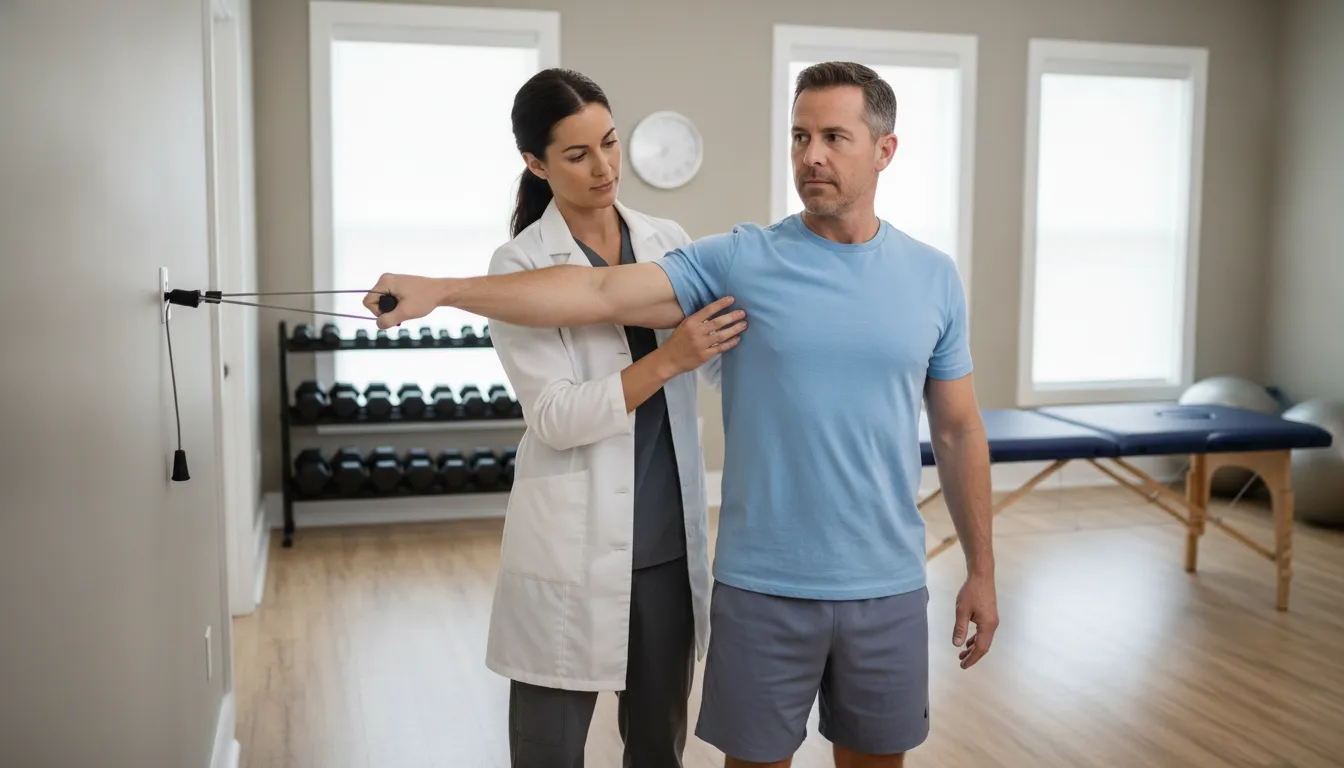
Once you can move comfortably and perform isometric exercises without a symptom flare, you can begin adding resistance. This may involve resistance bands, light weights, or body weight. Increase only one factor at a time, such as repetitions, resistance, or range of motion.
Eccentric exercises train a muscle while it lengthens under control. Examples include slowly lowering the heel after a calf raise or carefully lowering into a shallow squat. This type of work can place substantial demand on healing tissue, so begin with a small range and a slow tempo.
Mild fatigue is expected, but sharp pain is not. Give the muscle time to recover between sessions, especially if you are older, have experienced repeated strains, or have a health condition that affects healing. A gradual plan is safer than testing your maximum strength too soon.
Try wall sits, calf raises, and hamstring exercises
Wall sits can rebuild thigh strength for standing, climbing stairs, and getting out of a chair. Begin with your back against a wall and your knees slightly bent. Hold for a few seconds, then stand carefully. As your strength improves, increase the hold time or bend your knees a little farther, provided you remain comfortable.
Calf raises can restore the push-off needed for walking. Hold a counter or sturdy chair for balance, rise slowly onto the balls of your feet, and lower your heels with control. Start with both legs before progressing to one leg.
Hamstring exercises may include heel slides, bridges, or light resistance-band work. Keep each movement slow and avoid forcing your hip or knee into a deep position. Stop if you feel sudden pain, cramping, or a pulling sensation at the injury site.
Improve balance, gait, and function
Strength alone does not guarantee a safe return to normal activity. A strain can change the way you walk, stand, or climb stairs. These compensations may place extra stress on another muscle or joint. Once basic movement feels comfortable, add exercises that improve balance and body awareness.
Begin with simple tasks, such as standing near a counter with your feet together or shifting your weight from one leg to the other. Progress to supported single-leg balance, controlled step-ups, and comfortable walking. Focus on even steps, upright posture, and a smooth transfer of weight.
If you are limping, using a support incorrectly, or feeling unsteady, ask for an assessment rather than pushing through. A clinician can look at how you walk and move, then suggest how to restore function safely after a muscle injury.
Add agility and plyometrics later in recovery
Agility and plyometric exercises belong late in rehabilitation, not during the painful stage of a strain. They include quick changes of direction, light hopping, skipping, and controlled landing. These movements place more force through the muscle and require good balance and coordination.
For many adults over 50, the goal may not be competitive sports. You may still benefit from a scaled version of dynamic training if you want to return to hiking, tennis, pickleball, golf, dancing, or active daily routines. Start with brisk walking, then add short intervals of faster movement on a stable surface. Later, you might try gentle two-foot hops while holding a support.
Before progressing, you should be able to walk without pain, demonstrate near-normal strength, and feel confident using the injured limb. Moderate or severe strains may require professional supervision before jumping or rapid movement.
Use guided rehabilitation for safe progression
Guided rehabilitation can provide structure when pain persists, strength has not returned, or the strain keeps recurring. A clinician can assess joint motion, muscle strength, balance, walking mechanics, and the way you perform specific activities. This evaluation may also help distinguish a healing strain from another problem, such as a tendon injury, nerve irritation, joint disorder, or stress injury.
Treatment may include targeted exercises, hands-on techniques, movement retraining, and a home program that changes as you improve. It can also help you set practical milestones, such as walking without a limp, climbing stairs, or returning to recreational exercise.
Seek professional guidance sooner if you have extensive bruising, pronounced weakness, a popping sensation, trouble bearing weight, or symptoms that are not improving. A personalized plan can help you regain function while reducing the risk of resuming demanding activity before the muscle is ready.
How Long Does Muscle Strain Recovery Take After 50?
Muscle strain recovery after 50 can take anywhere from a few weeks to several months. The timeline depends on the injury’s grade, the affected muscle, your baseline strength, and your overall health. Age alone does not determine how quickly you heal, but changes in muscle mass, flexibility, circulation, balance, and recovery capacity can affect your return to activity.
Your symptoms and function often provide more useful information than the calendar. A muscle that feels better at rest may still lack the strength needed for walking, lifting, climbing stairs, or exercise. Progress should be gradual, especially if you are managing diabetes, circulation problems, joint conditions, or a history of repeated injuries.
The Cleveland Clinic’s guidance on muscle strains explains that severe tears may need immobilization, surgery, and a longer rehabilitation period. If your recovery seems unusually slow or your symptoms are worsening, a medical evaluation can help confirm the diagnosis and adjust your treatment plan.
Compare timelines for mild, moderate, and severe strains
A Grade 1 strain involves overstretched muscle fibers and minor tissue damage. You may notice tenderness and pain with certain movements, but strength and daily function are often mostly intact. Many Grade 1 strains improve within a few weeks with relative rest, gentle movement, and a gradual return to activity.
A Grade 2 strain involves a partial muscle tear. Pain, bruising, swelling, and weakness are usually more pronounced, and everyday activities may become difficult. Recovery can take several weeks to several months, depending on the muscle involved and the extent of the damage.
A Grade 3 strain is a complete muscle rupture. It may cause severe weakness, a visible deformity, or a popping sensation at the time of injury. Some Grade 3 injuries require surgery and immobilization for up to six weeks before rehabilitation begins. Full recovery may take four to six months after surgery, according to Harvard Health’s overview of muscle strain recovery.
Understand how muscle and injury grade affect healing
The injury grade strongly influences your recovery time. A Grade 1 strain affects a small number of muscle fibers, while a Grade 2 strain causes a partial tear and a greater loss of strength. A Grade 3 injury disrupts the muscle completely and may also involve nearby tendons or connective tissue.
The location of the strain matters, too. An injured hamstring, calf, quadriceps, or hip muscle may take longer to recover because these muscles work during walking, standing, and balance. Your baseline strength, flexibility, activity level, and history of previous injuries also affect healing.
A clinician can assess your pain, motion, strength, and function during an examination. When the diagnosis is unclear or the injury appears severe, imaging such as ultrasound or MRI may help show the extent of the damage and guide rehabilitation.
Identify factors that slow muscle healing
Returning to exercise too soon can reopen healing tissue or cause a second injury. At the other extreme, prolonged inactivity can lead to muscle loss, stiffness, excess connective tissue, and delayed strength recovery. Research on skeletal muscle injury and rehabilitation supports a carefully timed progression from protection to movement and strengthening.
Healing may also take longer with diabetes, poor circulation, inadequate protein intake, smoking, poor sleep, or certain medications and medical conditions. Previous strains can leave weakness or reduced flexibility that increases reinjury risk.
Work with your healthcare provider to account for these factors. Your plan may need to include nutrition support, balance work, mobility exercises, or a slower increase in resistance. The goal is not simply to reduce pain, but to restore the strength and control needed for your usual activities.
Track pain, motion, strength, and function
Pain is only one measure of recovery. Each week, pay attention to whether you can move the affected area farther, use the muscle during daily tasks, and tolerate more activity without a flare-up. Depending on the injury, useful benchmarks may include walking without a limp, climbing stairs, standing from a chair, reaching overhead, or carrying a light object.
You can keep a simple record of pain, swelling, bruising, range of motion, strength, and activity tolerance. Mild soreness after rehabilitation may be acceptable, but sharp pain, increasing swelling, or a sudden loss of strength means the activity was likely too demanding.
If you cannot complete basic movements or your symptoms are not improving, ask for an evaluation. Harvard Health recommends medical attention for severe pain, major weakness, substantial swelling, bruising, or symptoms that continue beyond several days.
Recognize recovery plateaus and reinjury warning signs
A recovery plateau occurs when pain, motion, strength, or daily function stop improving. This may mean the original strain is more serious than expected, your rehabilitation needs adjustment, or another condition is contributing to your symptoms. Tendon injuries, joint problems, nerve irritation, and stress injuries can sometimes feel similar to a muscle strain.
Contact a healthcare professional if pain, swelling, bruising, or weakness worsens, or if you cannot move the muscle normally. A pop at the time of injury, visible deformity, or sudden loss of function may indicate a significant tear. Numbness, tingling, sudden weakness, or difficulty controlling the limb may point to nerve involvement. Cleveland Clinic advises prompt evaluation when these symptoms occur.
Calf pain with swelling also requires prompt medical attention because it may signal a blood clot. Seek emergency care for chest pain or shortness of breath. Until a plateau or warning sign has been assessed, avoid strenuous exercise and do not test the muscle by pushing through sharp pain.
When Should You Seek Medical Care for a Muscle Strain?
Many mild muscle strains improve with relative rest, gentle movement, and a gradual rehabilitation plan. Still, pain after an injury is not always caused by a simple strain. A torn tendon, fracture, nerve injury, infection, or blood clot can create similar symptoms. After 50, pay attention to changes in strength, sensation, swelling, and function instead of judging the injury by pain alone.
Contact a healthcare professional if your symptoms are severe, unusual, or fail to improve. A clinician can examine the injured area, compare strength and range of motion, and determine whether you need imaging or specialized treatment. The Cleveland Clinic’s guidance on muscle strains recommends prompt evaluation after a noticeable pop, severe pain or swelling, or difficulty moving the affected muscle.
The right level of care depends on your symptoms. Some warning signs call for same-day medical attention, while others require emergency help.
Get help for severe pain, a pop, deformity, or lost function
Seek medical care promptly if you hear or feel a pop when the injury occurs. A pop can accompany a significant muscle tear, tendon injury, or other structural damage. Severe pain, marked swelling, or extensive bruising also deserves evaluation, especially after a fall, forceful movement, or direct blow.
Do not wait if you cannot move the muscle normally, stand, walk, lift an object, or use the affected limb. A visible dip, lump, or change in the muscle’s shape may indicate a more serious tear. Stop the activity and avoid repeatedly stretching or testing the injured area until a clinician examines you.
Report numbness, tingling, weakness, or limb color changes
Numbness, tingling, sudden weakness, or difficulty controlling a muscle may point to nerve involvement rather than an isolated strain. You may also notice that the limb feels unusually cold or looks pale, blue, or noticeably different from the opposite side. Swelling, trauma, or pressure can affect nearby nerves and blood vessels, so these changes need timely assessment.
Seek urgent help if symptoms develop quickly, continue at rest, or affect your balance. Do not massage a numb or discolored limb or apply intense heat. Note when the symptoms began and whether they are spreading or worsening. The Cleveland Clinic describes these warning signs and advises evaluation for numbness, tingling, or sudden weakness.
Seek care for extensive bruising, rapid swelling, or trouble bearing weight
Some bruising and swelling can occur with a mild strain, but they should not expand quickly or become severe. Large areas of discoloration may signal bleeding within the tissue, particularly if you take medication that reduces blood clotting. Rapid swelling can also place pressure on nearby nerves and blood vessels.
Arrange medical care if you cannot bear weight comfortably, your walking pattern changes significantly, or the injured area feels increasingly tight. Until you are assessed, protect the area and avoid strenuous activity. If you use compression, make sure the wrap does not cause tingling, numbness, coldness, or a change in skin color. Harvard Health recommends prompt attention for major weakness, swelling, bruising, severe pain, a popping sound, or a visible deformity.
Have calf pain and swelling checked for a blood clot
Calf pain after activity may be a muscle strain, but pain and swelling in one calf can also signal deep vein thrombosis, a blood clot in a deep vein. Concern is greater when the calf feels warm, looks red, or appears larger than the other calf. Risk may also increase after surgery, prolonged travel, extended inactivity, or a previous clot.
Do not massage the calf or continue exercising to see whether it improves. Contact a healthcare professional promptly and mention any recent travel, illness, surgery, hospitalization, or change in activity. Harvard Health advises having calf pain and swelling checked for a possible blood clot, even when the symptoms resemble a muscle injury.
Call emergency services for chest pain or shortness of breath
Chest pain, sudden shortness of breath, fainting, a rapid heartbeat, or coughing up blood requires emergency attention. These symptoms can occur when a blood clot travels to the lungs and causes a pulmonary embolism. They are not typical signs of a routine muscle strain, even if you recently injured your leg or calf.
Call emergency services instead of driving yourself. Keep activity to a minimum while waiting for help, and tell responders about any recent injury, long trip, surgery, hospitalization, or history of blood clots. Harvard Health identifies chest pain and shortness of breath as reasons to seek immediate medical attention.
Get care for persistent pain or slow recovery
A mild strain should gradually become less painful and easier to move. If your pain remains unchanged, worsens, or continues beyond several days, contact a healthcare provider. Harvard Health recommends seeing a doctor when pain continues for three days to one week, depending on the injury and your symptoms.
Seek care if bruising does not start to fade, swelling returns when you resume activity, or weakness interferes with daily tasks. A lingering “pulled muscle” may involve a partial tear, tendon problem, joint condition, nerve irritation, or another issue that needs different treatment. Keep a simple record of pain, range of motion, walking ability, and strength to help your clinician understand your progress.
Seek help sooner if you take blood thinners or have diabetes or circulation problems
If you take blood thinners, an injury may cause more bleeding and bruising than expected. Diabetes and circulation problems can affect sensation, tissue health, and healing. These conditions may make symptoms harder to recognize or cause recovery to take longer, so contact your healthcare provider sooner if the injury feels unusual or is not improving.
Seek early medical advice for increasing bruising, swelling, skin changes, warmth, drainage, or a wound that heals slowly. Harvard Health recommends earlier attention for people who take blood thinners or have diabetes or circulation problems. Bring a current medication list to your appointment, and do not stop a prescribed medication without speaking with the clinician who manages it.
How Can Personalized Treatment Help Persistent Muscle Strains?
A muscle strain that continues to hurt, limit movement, or return during activity deserves a closer evaluation. Persistent symptoms may point to an incompletely healed tear, weakness around the injured area, limited joint motion, or a different condition that feels like a strain. Repeatedly resting without identifying the cause may provide temporary relief while the underlying problem remains.
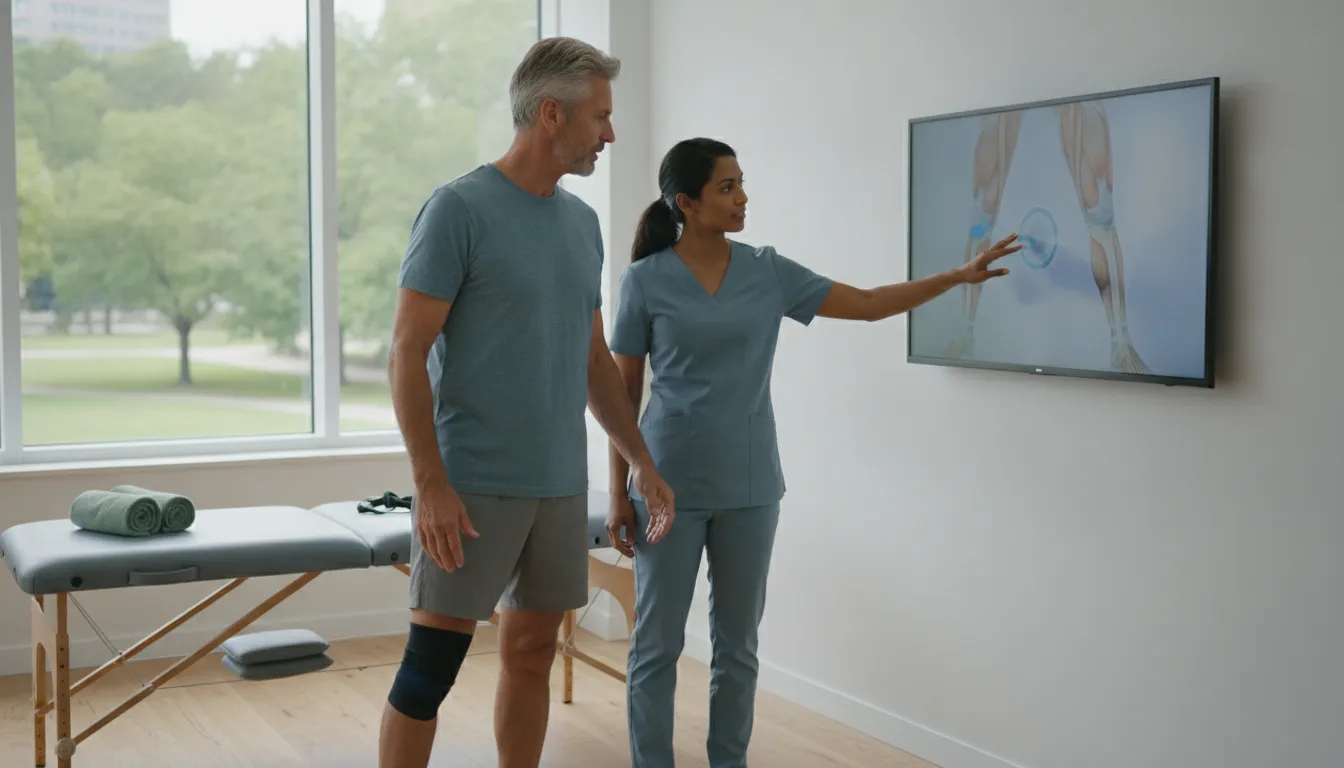
Personalized care begins with understanding how the injury affects your whole body and your daily life. Your provider may consider your age, medical history, medications, activity level, strength, balance, and recovery goals. For adults over 50, the plan should focus on restoring practical function, whether that means walking comfortably, climbing stairs, exercising, playing recreational sports, or staying independent.
Treatment may include a physical examination, imaging when appropriate, progressive rehabilitation, and performance-focused exercises. Some patients may also be candidates for regenerative care, but these treatments require careful discussion about the evidence, risks, alternatives, and expected results. The goal is not simply to make the muscle feel better. It is to help the tissue tolerate normal demands again while reducing the chance of reinjury.
Assess strength, motion, and function
A thorough evaluation starts with questions about when the injury occurred, what caused it, and which activities increase your symptoms. Your provider may examine tenderness, swelling, bruising, flexibility, joint range of motion, muscle strength, balance, and walking mechanics. The Cleveland Clinic’s guide to muscle strains describes these elements as important parts of a strain assessment.
The evaluation should also look beyond the painful area. A recurring hamstring strain, for example, may relate to limited hip motion, weak glute muscles, poor balance, or changes in gait. Comparing the injured side with the opposite side can reveal deficits that do not appear during routine activities. These findings help your care team create exercises that address the strain and the factors that may be causing it to return.
Use ultrasound or MRI when appropriate
Imaging is not needed for every muscle strain, especially when pain and swelling are steadily improving. However, persistent symptoms, significant weakness, extensive bruising, or uncertainty about the diagnosis may justify additional testing. Musculoskeletal ultrasound can show muscle and tendon tissue in real time, while MRI provides a detailed view of deeper structures and the location of a tear.
An MRI can help measure a tear and determine its grade, or help rule out other problems affecting the area. Your provider may suggest imaging if your recovery has stalled, a severe tear is possible, or the results would change your treatment plan. Imaging should add detail to the physical examination, not take its place. Your symptoms, strength, function, and medical history still matter when deciding what to do next.
Identify conditions that mimic muscle strains
Not every ache after exercise comes from a strained muscle. Tendon injuries, arthritis, stress injuries, nerve irritation, and pain referred from the lower back can create similar symptoms. Calf pain and swelling may also indicate a blood clot, which requires prompt medical attention. A detailed history and physical examination can help distinguish these conditions from a routine strain.
Contact a healthcare professional promptly for severe pain, major weakness, rapidly increasing swelling, extensive bruising, a popping sound, or a visible change in the muscle’s shape. Harvard Health identifies these symptoms as warning signs because a severe tear may require immobilization or surgery. Numbness, tingling, a cold or discolored limb, chest pain, or shortness of breath also require immediate evaluation.
Understand how muscle fibers heal and remodel
Muscle tissue heals through three overlapping stages: inflammation, repair, and remodeling. Inflammation helps clear damaged tissue, repair replaces injured fibers, and remodeling gradually organizes the healing tissue as strength and function return. The process takes time, and pain may improve before the muscle has regained its previous capacity.
This timing gap can make it tempting to resume normal activity too soon. Rehabilitation applies carefully controlled stress as healing progresses, helping the muscle tolerate movement and resistance without exceeding its current capacity. The research on skeletal muscle injury and healing supports gradual progression rather than moving directly from rest to demanding exercise. Your program may need adjustments based on soreness, swelling, strength, and how you feel later that day and the following morning.
Combine rehabilitation exercises with performance-focused care
Rehabilitation exercises can help restore range of motion, flexibility, strength, balance, and coordination. A tailored program may begin with gentle movement and isometric contractions, where the muscle tightens without changing length. It can then progress to active resistance, controlled lengthening, and exercises that resemble your daily activities.
Performance-focused rehabilitation connects recovery with the activities you want to resume. If you enjoy hiking, your plan may include step-ups, uneven-surface balance work, and loaded carries. If you play tennis or golf, treatment may address rotation, power, and the ability to slow down safely. This approach helps rebuild useful capacity rather than focusing only on whether the muscle hurts while you are sitting still.
Progress should account for your symptoms, medical conditions, strength differences, and response between sessions. Your clinician can adjust repetitions, resistance, and exercise selection so you continue making progress without taking on more stress than the healing tissue can handle.
Consider regenerative care based on evidence and candidacy
Regenerative treatments may be discussed when a strain remains symptomatic after appropriate rehabilitation or when tissue quality and healing capacity are concerns. Depending on the diagnosis, options may include platelet-based treatments such as PRP injections or other biologic approaches. These therapies are not appropriate for everyone, and they should be considered only after a careful evaluation of the injured tissue and your overall health.
Ask what the treatment is designed to address, how strong the supporting evidence is, and how it fits with your rehabilitation plan. A review of skeletal muscle injury treatment notes that important questions remain about the safety, timing, dosage, and long-term effects of growth factors and similar approaches. Regenerative care should support a broader recovery plan, not serve as a substitute for progressive strengthening.
Your provider should also discuss alternatives, possible complications, expected recovery, and the cost of care before you decide. The right choice depends on the injury, your medications and health conditions, your activity goals, and whether the potential benefits justify the risks.
How Do You Return to Activity After Muscle Strain Treatment?
Returning to activity after a muscle strain should be gradual and guided by function, not just by how the area feels at rest. After 50, changes in muscle mass, flexibility, balance, circulation, and conditioning can affect recovery. A structured plan gives the injured tissue time to heal while helping you regain strength and confidence.
Your timeline should reflect the muscle involved, the severity of the strain, your usual activity level, and your overall health. A mild thigh strain in an otherwise healthy adult may follow a different path than a significant calf injury in someone with diabetes, circulation problems, or a history of falls. If you experienced a pop, extensive bruising, major weakness, or persistent pain, consult a physician or your care team before increasing activity.
Keep track of how the area responds during exercise, later that day, and the following morning. Pain, swelling, weakness, or altered movement after a session may mean that you progressed too quickly. A personalized assessment can help identify the right starting point and determine when you are ready for more demanding movement.
Confirm pain-free motion, strength, and daily function
Before returning to regular exercise, move the affected area through its available range without sharp pain, guarding, or a strong pulling sensation. You should also be able to complete normal tasks, such as walking, climbing stairs, reaching, or lifting light objects, without limping or changing your movement.
Strength and control matter as much as flexibility. Your clinician may compare the injured side with the uninjured side through simple movements or functional tests. Ongoing weakness, poor balance, or early fatigue means the muscle may need more rehabilitation before you add resistance, speed, or distance.
After the acute phase, gentle movement can help restore flexibility and limit muscle loss. The Cleveland Clinic’s guidance on muscle strains recommends a gradual return to activity as symptoms improve.
Progress from low-impact activity to full movement
Begin with activities that place limited stress on the injured muscle. Depending on the injury, this may include short walks, easy cycling, water exercise, or controlled mobility drills. Keep the first sessions brief, and avoid sudden changes in speed, direction, or resistance.
As movement becomes easier, progress through exercise stages. Isometric exercises involve tightening the muscle without visible joint movement. Isotonic exercises add controlled movement against resistance. More demanding or sport-specific movements come later, once strength and coordination have improved.
A review of skeletal muscle injury treatment describes this gradual progression. Increase one factor at a time, such as duration, resistance, or speed. If symptoms worsen during exercise or remain worse the next morning, return to the last comfortable level.
Maintain warm-ups, cool-downs, and strength training
Start each session with several minutes of easy movement, followed by gentle dynamic exercises related to your planned activity. Someone returning to walking might begin at a relaxed pace and add controlled leg movements before increasing distance. Avoid forceful stretching while the muscle remains tender.
After exercise, lower your pace gradually instead of stopping abruptly. A gentle cooldown lets you transition to rest and notice tightness or discomfort. Once your clinician approves resistance training, strengthen the injured muscle along with the surrounding muscles. Strong hips, thighs, calves, core muscles, and upper-body stabilizers can support smoother movement.
The Cleveland Clinic recommends regular conditioning, proper warm-ups, and a gradual return after injury. Keep the routine consistent, but allow enough recovery time between challenging sessions.
Support recovery with protein, hydration, and sleep
Adequate nutrition gives your body the raw materials needed for tissue repair. Include protein at regular meals through foods such as fish, eggs, poultry, Greek yogurt, beans, lentils, tofu, or cottage cheese. Harvard Health references about 0.36 grams of protein per pound of body weight as a general daily amount, but your needs may differ if you have kidney disease or another condition that affects your diet.
Drink fluids regularly throughout the day, especially before and after exercise. Water is often enough for a light rehabilitation session, while longer workouts or heavy sweating may require additional electrolytes based on medical advice.
Sleep also supports recovery. Aim for seven to nine hours each night when possible. Harvard Health’s recovery guidance identifies protein, hydration, and sleep as important parts of muscle repair.
Prevent reinjury with mobility, strength, and balance work
Continue gentle mobility exercises after your pain improves. A muscle can feel better before it has fully regained flexibility and control, which may make everyday movements less efficient. Maintain the range of motion needed for walking, lifting, climbing stairs, or recreational activities.
Strengthen more than the previously injured muscle. Recovery from a calf strain, for example, may also involve strengthening the hips, thighs, feet, and core. Supported single-leg stands can improve balance and reveal lingering weakness. Hold a stable surface when practicing, particularly if you have fall risk factors.
Allow enough time between difficult sessions for recovery. The Cleveland Clinic recommends regular muscle conditioning and adequate rest. If swelling, soreness, weakness, or altered movement returns, reduce the workload and contact your care team.
Train around mild discomfort without pushing through sharp pain
Mild stiffness or low-level discomfort can occur when you resume movement, but it should not increase during the session or change the way you move. Reduce the range of motion, slow the pace, lower the resistance, or switch to an easier activity if needed.
Stop for sharp, sudden, or increasing pain. A popping sensation, new bruising, swelling, weakness, or renewed limping also requires caution. Do not use pain medication to hide symptoms while performing activity that may be placing too much stress on the muscle.
Assess the area during exercise, later that day, and the next morning. Stable or improving symptoms may support a small increase in activity. Symptoms that linger or worsen suggest that you should return to the last comfortable level and seek professional guidance. Progress should remain conservative, with pain-free movement and reliable function guiding each step.
Frequently Asked Questions
How can I tell whether I have a muscle strain or ordinary soreness?\ A strain usually causes sudden, localized pain during or soon after a specific movement. Tenderness, swelling, bruising, weakness, or reduced motion may also occur. Ordinary soreness often appears gradually after unfamiliar activity and tends to improve with gentle movement. When symptoms are severe or the diagnosis is unclear, seek an evaluation.
Should I use ice or heat for a pulled muscle?\ Cold therapy may help with pain and swelling during the first day or two. Use a wrapped ice pack for 15 to 20 minutes at a time, and protect your skin. Once swelling and active bruising have settled, gentle warmth may help reduce stiffness before movement. Avoid heat over a newly injured, swollen, or hot area.
When is it safe to exercise after a muscle strain?\ Start with comfortable movement when sharp pain and significant swelling have improved. Progress from easy range-of-motion exercises to light strengthening, then resistance and activity-specific training. You should be able to walk and complete daily tasks without limping, major weakness, or increasing symptoms before returning to demanding exercise.
How long does a muscle strain take to heal after age 50?\ A mild strain may improve within a few weeks, while a partial tear can require several weeks or months. A complete rupture may need surgery and a longer rehabilitation period. Recovery depends on the injury’s severity, location, strength, health conditions, nutrition, sleep, and how gradually you return to activity.
When should I see a healthcare professional for a muscle strain?\ Seek prompt care for a popping sensation, severe pain, rapid swelling, extensive bruising, visible muscle changes, major weakness, numbness, tingling, or difficulty bearing weight. Calf pain with one-sided swelling, warmth, or redness needs timely assessment. Chest pain or sudden shortness of breath requires emergency care.