Chronic Pain Rehabilitation in Richmond, VA: A Guide
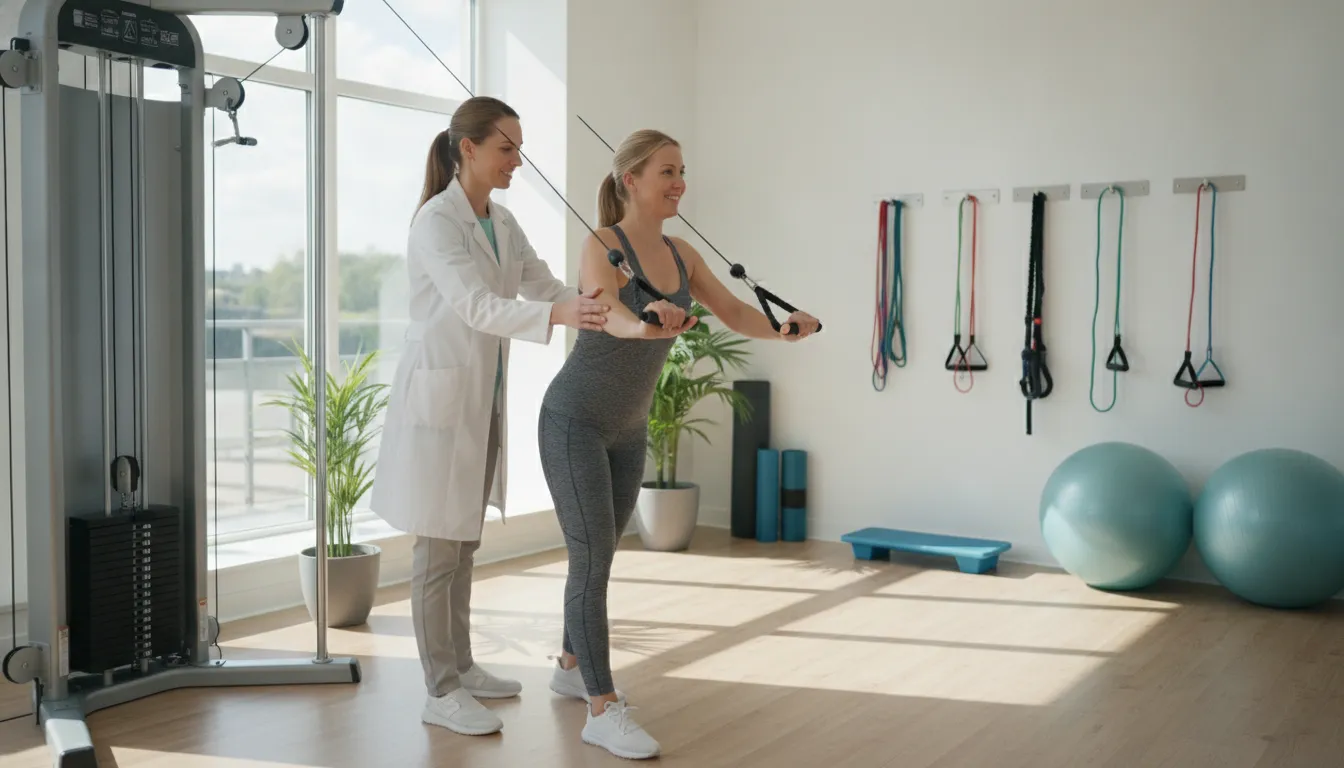
Chronic pain deserves care that considers the whole person. A scan may show arthritis or age-related changes, but it cannot explain how pain affects your balance, energy, sleep, confidence, or ability to take part in daily life. For adults in Richmond, VA, who want to stay active, an evaluation may help clarify whether rehabilitation, pain-focused care, or another medical approach fits their situation. Chronic pain rehabilitation may combine a detailed evaluation with personalized movement and self-management strategies. Your clinician may assess strength, joint mobility, gait, nerve function, balance, endurance, and the activities you want to resume. Treatment can then focus on your real priorities, from carrying groceries and using stairs to returning to golf, travel, exercise, or time with loved ones.
Key Takeaways
- Look beyond the painful area: Chronic pain care should assess movement, strength, balance, sleep, stress, medications, nerve symptoms, and daily activities.
- Build capacity gradually: Use education, pacing, mobility work, strengthening, balance exercises, and functional practice to improve confidence and physical ability.
- Choose a plan that adapts to you: Share changes in symptoms, medications, and goals so your care team can adjust treatment safely and address warning signs promptly.
What Is Chronic Pain, and Why Does It Need Specialized Rehabilitation?
Chronic pain is more than an injury that has not healed. It is pain that lasts longer than three months or continues beyond the expected recovery period. It may remain after an injury, surgery, or illness, or develop gradually alongside arthritis, neuropathy, or another health condition.
That distinction matters when you want to stay active and independent after 50. A plan focused only on the painful joint may overlook reduced strength, poor sleep, stress, fear of movement, medication changes, or increased nervous system sensitivity. Specialized rehabilitation considers how pain affects your walking, balance, workouts, work, sleep, and everyday routines. The goal is not to dismiss your symptoms or ask you to ignore pain. It is to understand the factors affecting your symptoms and create a safe, practical path toward better function.
Compare chronic and acute pain
Acute pain often serves as an immediate warning after a fall, strain, surgery, or other injury. It generally improves as the body heals. Chronic pain lasts longer than three months or continues beyond the expected healing period. It may fluctuate from day to day, and its intensity does not always match the amount of tissue damage present.
This does not mean chronic pain is imaginary. The pain is real, even when imaging does not show a new injury. Your clinician considers your symptoms, movement patterns, strength, sleep, stress, medical history, and personal goals. This broader assessment helps guide treatment for both pain and the loss of function that can develop when activity decreases.
Understand why pain can outlast tissue healing
Pain can continue after tissues have healed because the brain and nervous system may remain sensitive to movement or pressure. After months of pain, your body may respond protectively to activities that were once routine, such as climbing stairs, reaching overhead, or walking farther than usual. Muscles may tighten, movement may become guarded, and your activity level may gradually shrink.
Your clinician can help you identify which movements are appropriate to practice and how to increase them gradually. This approach respects symptom changes and may reduce unnecessary avoidance. It may also help distinguish a temporary symptom increase from warning signs that require medical evaluation. With consistent practice, a person may build greater tolerance, strength, and confidence.
Learn how the nervous system amplifies pain
The nervous system acts like an alarm system. When it becomes overly sensitive, the alarm may remain loud even after the original threat has passed. Understanding how pain signals work can make symptoms feel less frightening and help you make informed decisions about movement.
This explanation does not suggest that pain is “all in your head.” Instead, it shows why pain can be influenced by sleep, stress, fear, past experiences, and the circumstances surrounding an activity. Your clinician may combine education with breathing strategies, graded exercise, hands-on care, and functional practice to help your nervous system respond more appropriately.
See how neuroplasticity supports change
Neuroplasticity describes the nervous system’s ability to adapt through repeated experiences. If pain has led you to avoid bending, lifting, walking, or exercising, your brain may begin to treat those activities as threatening. Carefully repeated, successful experiences can provide new information: this movement is manageable, and your body can handle it.
That is why rehabilitation often uses gradual exposure instead of forcing a difficult activity all at once. Your clinician may begin with a smaller range of motion, lighter resistance, shorter walks, or supported balance work. Virtual reality is another developing tool that may redirect attention and support relaxation during treatment. A review of innovative chronic pain approaches describes how immersive environments may support pain management and changes in pain processing.
Understand why imaging does not tell the full story
X-rays, CT scans, and MRI scans can identify important problems, including fractures, severe joint changes, or other conditions that require medical attention. However, they do not explain every case of chronic pain. Imaging findings can also appear in people who have no symptoms, while someone with significant pain may have no clear structural explanation.
That is why a rehabilitation evaluation includes more than a scan report. Your clinician may assess walking, balance, joint motion, strength, coordination, nerve function, and how symptoms change during specific activities. Your symptoms and functional goals remain essential parts of the assessment.
Identify common pain concerns after age 50
Adults over 50 may experience chronic pain related to arthritis, diabetic neuropathy, fibromyalgia, spinal conditions, past injuries, or recovery after surgery. Joint stiffness, age-related muscle loss, balance changes, and lower activity levels can affect one another. Pain may then interfere with walking, gardening, travel, exercise, sleep, or getting up from a chair.
Specialized therapy addresses these overlapping concerns instead of treating one body part in isolation. For example, knee pain may be affected by hip strength, ankle mobility, walking mechanics, weight-bearing tolerance, and fear of falling. A thorough plan may include strength training, balance work, gait practice, mobility exercises, and education based on your health history and goals.
Recognize red flags that need prompt evaluation
Most chronic pain can be assessed through a planned appointment, but certain changes need prompt medical attention. Seek urgent care for new or worsening weakness, loss of bladder or bowel control, numbness in the saddle area, severe pain after significant trauma, chest pain, trouble breathing, or symptoms accompanied by fever or unexplained weight loss. New neurological changes should also be discussed with a medical professional quickly.
Emotional safety matters, too. Persistent pain can affect mood, relationships, sleep, and hope. If you have thoughts of suicide or self-harm, tell your doctor or another trusted professional immediately, call emergency services, or contact a crisis service in your area. Your clinician can coordinate with your broader care team, but serious or rapidly changing symptoms require medical evaluation before treatment continues.
How Can Rehabilitation Improve Chronic Pain and Function?
Chronic pain rehabilitation looks beyond the joint, muscle, or nerve that hurts. It considers how persistent symptoms affect your strength, mobility, balance, sleep, mood, confidence, and ability to take part in daily activities. This broader view matters because pain can change the way you move. You may brace a painful area, avoid certain positions, limit activity, or overdo things on days when symptoms feel better. Over time, these patterns can contribute to weakness, stiffness, reduced endurance, and less confidence.
Your clinician can help you replace those patterns with safer, more effective movement strategies. Treatment may include education, hands-on care, mobility exercises, progressive strengthening, balance training, and practical coaching. Your clinician should adapt the plan to your health history, current abilities, symptoms, and goals.
Progress does not always mean pain disappears right away. It may mean walking farther, standing longer, sleeping more comfortably, getting up from a chair with less effort, returning to golf, or completing household tasks with fewer breaks. Tracking these changes gives you and your care team useful information and helps guide the next stage of treatment.
Treat the whole person, not just the painful area
Persistent pain can affect your sleep, mood, activity level, relationships, and willingness to move. Your clinician may ask about these areas because they can influence pain sensitivity, recovery, and your response to exercise. This does not mean symptoms are imaginary. It means the body and mind work together, and both deserve attention during treatment.
The therapeutic relationship also matters. When you feel heard and understand the reason behind each exercise, you may feel more prepared to participate consistently. A thoughtful plan addresses the painful area while also considering your health, expectations, concerns, and personal goals. Research on manual therapy for chronic pain supports combining hands-on care with education, exercise, communication, and trust.
Restore strength, mobility, balance, and endurance
Chronic pain often leads people to reduce activity. Over time, less activity can affect muscle strength, flexibility, balance, coordination, and stamina. Rehabilitation rebuilds these abilities gradually. Your program may include joint mobility exercises, hip and leg strengthening, core work, balance drills, walking practice, or low-impact cardiovascular training.
Your clinician adjusts resistance, repetitions, movement range, and rest periods to match your current capacity. As your body adapts, the program can become more challenging. This gradual progression may make everyday tasks such as climbing stairs, carrying groceries, gardening, or traveling feel more manageable. For adults over 50, lower-body strength and balance training can also support steadier movement and help reduce fall risk.
Reduce guarding, avoidance, and movement fear
Guarding occurs when you tighten muscles or alter your movement to protect an area from pain. While this response may feel protective, it can make movement stiff, tiring, and less efficient. Avoidance can create a similar pattern. When you stop doing an activity, your body has fewer opportunities to maintain strength and become familiar with that movement.
Pain education can explain why symptoms may continue after an injury has healed or why normal movement does not always indicate tissue damage. Your clinician can then introduce manageable exercises that help you move with less apprehension. Pain science education can help you understand persistent pain and take a more active role in rehabilitation.
Rebuild confidence for daily life and recreation
Confidence often returns through repeated experiences of successful movement. Therapy may begin with a task you can complete safely, such as walking for five minutes, reaching to a shelf, or performing several sit-to-stand repetitions. When that activity feels manageable, your clinician can gradually increase the time, distance, repetitions, resistance, or complexity.
Small goals work well when you have lived with pain for months or years. They provide clear evidence that your body can tolerate activity, even if some symptoms remain. Over time, you may progress from basic household tasks to hobbies, travel, recreational exercise, or sports. Breaking a larger goal into smaller steps can help limit flare-ups and rebuild confidence.
Support independence, active aging, and performance
The purpose of rehabilitation is not simply to complete exercises in a clinic. It is to help you do more of what matters at home, during travel, with family, and in the activities you enjoy. Improved leg strength may make stairs easier. Better balance may help you walk outdoors with greater security. Increased endurance may allow you to spend more time with loved ones or return to a fitness routine.
A personalized program can support active aging by maintaining range of motion, muscle function, coordination, and physical capacity. Depending on your condition, therapy may also reduce reliance on passive care and support conversations about medication or procedures with your medical team.
Measure progress through function, participation, and confidence
Pain intensity provides useful information, but it should not be the only measure of progress. You may still experience pain while walking farther, sleeping better, using fewer rest breaks, or returning to an activity you had stopped. These changes show that your function and physical capacity are improving.
Your clinician may track walking tolerance, strength, range of motion, balance, gait, lifting ability, or the time needed to complete a daily task. You may also discuss confidence, activity participation, sleep, and how quickly you recover after exercise. Reviewing several measures creates a clearer picture of your progress and helps your care team make practical adjustments. A whole-person approach to chronic pain care considers the patient, clinician, treatment plan, expectations, and clinical setting.
See why rehabilitation goes beyond injury care
Rehabilitation is not limited to treating a newly strained muscle or helping someone recover after surgery. It may also help when pain continues after an injury has healed, when imaging does not fully explain symptoms, or when pain occurs alongside arthritis, neuropathy, spinal conditions, or age-related changes.
In these situations, treatment focuses on how your nervous system, muscles, joints, movement habits, and daily demands interact. Education can clarify what your symptoms may mean, while exercise and movement practice help restore physical capacity. This approach does not dismiss your pain. It recognizes that pain is real while addressing the factors that may keep your system sensitive and limit your activity.
Avoid pushing through severe pain
Working hard in therapy does not mean ignoring severe or alarming symptoms. Mild effort, muscle fatigue, or temporary soreness may occur during rehabilitation, but sharp, escalating, or unfamiliar pain deserves attention. Tell your clinician what you feel, when it begins, what makes it better or worse, and how long it lasts afterward.
Also avoid the push-crash pattern, in which you do too much on a good day and then need several days to recover. A better approach uses pacing, planned rest, and gradual activity increases. Pacing guidance for persistent pain recommends avoiding both excessive activity and complete avoidance. Contact a medical provider promptly for new weakness, loss of bladder or bowel control, chest pain, severe shortness of breath, fever, or sudden swelling.
Coordinate medication with the care team when appropriate
Rehabilitation should fit safely alongside the rest of your medical care. Tell your clinician about prescription and over-the-counter medications, injections, recent procedures, supplements, and changes in your symptoms. Some medications can affect balance, alertness, blood pressure, bleeding risk, or exercise tolerance, so this information may influence how sessions are planned.
Your rehabilitation clinician does not replace the professional who prescribes your medication. Instead, each member of your care team can share relevant information and determine whether your treatment plan needs adjustment. Coordination is particularly important if you are receiving care for neuropathy, inflammatory conditions, osteoporosis, heart disease, or hormone-related concerns. Direct questions about medication changes, dosage, and side effects to the appropriate prescribing professional, while your clinician monitors movement, function, and exercise response.
What Goes Into an Individualized Chronic Pain Rehabilitation Plan?
Chronic pain rehabilitation should reflect your health history, current abilities, daily routine, and personal goals. A plan designed to help you return to golf may look very different from one focused on walking comfortably, climbing stairs, or standing long enough to prepare a meal. Your clinician considers the whole picture rather than treating the most painful area in isolation.
Your first visit may include a detailed conversation, movement assessment, and review of factors that affect recovery. This information helps your clinician determine which activities are appropriate, how quickly to progress, and whether another medical evaluation may be helpful.
An individualized plan should also remain flexible. Chronic pain can change with sleep, stress, illness, activity, medication changes, and other treatments. Regular reassessment gives your clinician the information needed to adjust your program while keeping safety, independence, and meaningful function at the center of care.
Review pain history, diagnoses, medications, and procedures
Your clinician will ask where you feel pain, when it began, what it feels like, and how it changes throughout the day. You may also discuss previous injuries, surgeries, injections, imaging results, diagnoses, and treatments you have tried. Bring a current list of medications and supplements, including pain relievers, hormone therapies, and medications used for sleep or mood.
This conversation helps your clinician recognize patterns that may affect treatment. Morning stiffness, pain after prolonged sitting, or symptoms that change after a procedure may call for different strategies. Your clinician may also communicate with your physician when your symptoms, health history, or medications require additional review. Clear information gives your care team a safer, more complete starting point.
Assess sleep, stress, mood, activity, and recovery
Pain does not occur separately from the rest of your life. Poor sleep, high stress, low mood, and insufficient recovery can make symptoms feel more intense and may reduce your ability to exercise. Your clinician may ask about your bedtime routine, energy, work demands, recreation, relationships, and how much activity you can handle before symptoms increase.
This is not a judgment about your lifestyle. It helps your care team identify practical changes that support treatment. Consistent sleep and wake times, planned rest, breathing exercises, and manageable activity breaks may make it easier to participate in therapy. Sleep and stress can influence chronic pain, which is why these factors belong in a complete plan.
Evaluate movement, strength, flexibility, balance, gait, and joints
Your clinician may observe how you walk, stand, sit, reach, bend, step, and change direction. They may assess joint motion, muscle strength, balance, coordination, posture, and endurance. These findings can reveal limitations that are easy to miss when an evaluation focuses only on pain intensity.
For adults over 50, the assessment may also address fall risk, stair safety, walking speed, and the ability to rise from a chair or the floor. The goal is not to compare you with someone else. It is to establish a clear starting point and identify the physical abilities that will make the biggest difference in your daily life. The findings may show where mobility work, strengthening, supported movement, or balance training can help.
Screen nerve function and symptoms needing medical follow-up
Some chronic pain symptoms may involve irritated or compressed nerves. Your clinician may check sensation, reflexes, muscle control, coordination, and symptoms such as numbness, tingling, burning, or weakness. They may also ask whether symptoms travel into an arm or leg and whether certain positions or movements change them.
A rehabilitation evaluation does not replace medical diagnosis. New or worsening weakness, loss of coordination, significant changes in sensation, unexplained weight loss, fever, severe night pain, or changes in bladder or bowel control may require prompt medical attention. Imaging is not always useful for identifying the source of chronic pain unless a serious condition is suspected. Your clinician can help determine when further evaluation is appropriate.
Identify triggers, helpful activities, and movement concerns
Your clinician will look for patterns in the activities that increase or ease your symptoms. These may include prolonged sitting, lifting, walking uphill, reaching overhead, gardening, exercise, or sleeping in a certain position. You may also discuss activities you have stopped because you expect them to hurt.
This information helps distinguish between a movement that needs modification and one that can be gradually reintroduced. Your clinician may recommend changing the duration, position, pace, load, or frequency of an activity rather than avoiding it completely. Your plan should leave room for activities that matter to you.
Set functional goals and baseline measures
An effective plan starts with goals you can recognize in everyday life. You may want to walk your dog for 20 minutes, return to tennis, travel with fewer limitations, carry groceries, sleep more comfortably, or move around your home with greater confidence. These goals give therapy a clear, practical direction.
Your clinician may record baseline measures such as walking tolerance, sit-to-stand repetitions, balance time, joint range of motion, strength, or the number of daily steps you can manage. These measures often provide more useful feedback than pain scores alone. As your abilities change, your goals can become more specific and challenging.
Match exercise intensity to symptoms, capacity, and safety
Exercise should challenge your body without overwhelming it. Your clinician may adjust repetitions, resistance, range of motion, speed, rest periods, or frequency based on your symptoms and recovery. The right starting point may be smaller than you expect, particularly after surgery, a long period of inactivity, or a significant flare-up.
A mild increase in effort or familiar discomfort may be acceptable, while sharp, spreading, or rapidly escalating symptoms may signal a need to stop and reassess. Your clinician will help you understand the difference. Exercise can support circulation and may help calm an overly sensitive nervous system. Progress should reflect how you respond during the session and over the following day.
Build a practical home program
Your home program should fit your schedule, space, equipment, and energy. It may include mobility drills, strengthening exercises, walking, balance practice, breathing work, or short activity breaks. A few well-chosen exercises performed consistently are often more useful than a long list that feels impossible to maintain.
Your clinician should explain how often to perform each exercise, what sensations to expect, and when to modify or pause. Pacing can help you avoid doing too much on a good day and paying for it later. A pacing and goal-setting guide from PainHealth recommends using pacing as part of a planned, gradual activity program. A symptom or activity log may also help you identify patterns and share useful feedback during appointments.
Adjust the plan as symptoms and abilities change
Progress with chronic pain rarely follows a straight line. You may have a stronger week followed by a flare-up related to travel, poor sleep, stress, illness, or increased activity. A flare-up does not automatically mean the program has failed, but it may mean the exercise dose needs temporary adjustment.
Your clinician may reduce resistance, shorten sessions, change an exercise, or add recovery time before gradually returning to your previous level. Report new symptoms, repeated setbacks, falls, or medication changes rather than trying to handle them alone. Regular reassessment keeps the plan aligned with your current abilities. It also helps you recognize gains in walking, balance, strength, confidence, and participation, even when pain has not disappeared.
Coordinate therapy with medical and regenerative care
When rehabilitation is part of a broader medical plan, communication matters. Your clinician may coordinate with your physician, pain specialist, orthopedic provider, or regenerative care team regarding procedures, restrictions, medication changes, and exercise timing. This helps each part of your care support the others.
For example, your activity plan may need temporary changes after an injection or procedure, followed by carefully timed mobility and strengthening. Your medical team may also want updates about function, nerve symptoms, or recovery. A coordinated plan keeps the focus on safe movement, useful function, and your long-term ability to stay active.
Which Techniques Support Chronic Pain Rehabilitation?
Chronic pain rehabilitation works best when it addresses more than the painful area. Your clinician may combine education, exercise, hands-on care, balance training, and practical strategies for daily life. Your plan should reflect your symptoms, medical history, current abilities, and personal goals, whether you want to walk farther, climb stairs more comfortably, return to golf, or stay active with family.
No single technique works for everyone. Some people benefit from supported movement in water, while others need progressive strength training, mobility work, or a gradual return to activities they have been avoiding. Your clinician may also use short-term symptom-relief tools, but the long-term focus is usually on improving function and helping you manage symptoms independently.
A comprehensive plan may also account for sleep, stress, medication changes, previous procedures, and other health conditions. These factors can affect how your body responds to exercise and how quickly you recover between sessions. Your clinician can adjust the pace, provide safer alternatives, and coordinate with your medical team when symptoms require further evaluation.
Teach pain education and self-management
Pain education helps you understand why symptoms can continue even after an injury has healed. It does not suggest that pain is imaginary or “all in your head.” Instead, it explains how the nervous system processes danger signals and how factors such as poor sleep, stress, fear, and reduced activity can affect sensitivity.
When you understand your symptoms, movement may feel less threatening. Your clinician can help you recognize the difference between a temporary increase in discomfort and a sign that an activity needs to be adjusted. You may also learn pacing, relaxation, breathing, and flare-up strategies that make daily symptoms easier to manage.
Use graded exercise and progressive strengthening
Graded exercise starts at a level your body can tolerate, then increases gradually. Depending on your needs, this may include walking, cycling, resistance exercises, stretching, or task-specific practice. The goal is not to force your body through severe pain. It is to build capacity in manageable steps while allowing enough time for recovery.
Strength training can improve joint support, balance, endurance, and confidence with everyday activities. Your clinician may begin with seated or supported exercises, then progress to standing, lifting, stairs, or recreational movements. Progress can be measured by repetitions, resistance, walking time, recovery, or the ease of a specific task.
Train mobility, motor control, balance, gait, and aerobic fitness
Chronic pain can change the way you move. You may shorten your stride, avoid using one side of your body, tense your muscles, or rely heavily on a railing. Over time, these habits can reduce strength and make movement feel less stable. Rehabilitation addresses these patterns through targeted practice that matches your current ability.
Mobility exercises may focus on the spine, hips, shoulders, knees, or ankles. Motor control work teaches you to coordinate movement with less unnecessary tension. Balance and gait training can improve steadiness, foot placement, and confidence while walking. Aerobic activity, such as walking, cycling, or pool exercise, supports endurance and may help you return to longer periods of activity without a major flare-up.
Improve posture and body mechanics
Posture and body mechanics training focuses on how you sit, stand, lift, reach, sleep, work, and complete household tasks. The aim is not to hold yourself in one perfect position all day. Instead, your clinician helps you find more efficient ways to change positions and share the workload across your body.
For example, you may learn how to hinge at the hips when lifting, adjust your workstation, use a supportive position for gardening, or break a long chore into shorter intervals. You may also practice changing positions regularly rather than remaining still because you are worried about pain. These strategies can reduce unnecessary strain while helping you stay involved in meaningful activities.
Consider aquatic therapy and supported movement
Water can make movement more comfortable for people with painful joints, weakness, balance concerns, or reduced endurance. Buoyancy decreases the load on your body, while water provides gentle resistance as you walk, stretch, or strengthen. Warm water may also help muscles feel less guarded before exercise.
Aquatic therapy is not limited to swimming. An aquatic exercise program may include walking drills, leg exercises, balance activities, or supported range-of-motion work in a pool. As your strength and confidence improve, you may transition some exercises to land. Supported movement can also include seated exercises, rails, assistive devices, or carefully chosen equipment.
Use heat, cold, TENS, and other symptom-relief tools
Heat, cold, and transcutaneous electrical nerve stimulation, or TENS, may provide short-term comfort for some people. Heat can help you feel more prepared to move when muscles are stiff. Cold may be useful after activity when an area feels irritated. TENS uses mild electrical stimulation through adhesive pads and may help certain patients manage symptoms during movement.
These tools are not appropriate for everyone, and their effects vary. Your clinician should help you decide whether to use them, how long to use them, and when to stop. They should support rehabilitation rather than replace exercise, education, or medical evaluation. Ice, heat, and electrical stimulation have not generally been shown to help chronic pain on their own, so expectations should remain realistic.
Consider virtual reality to support engagement and pain perception
Virtual reality, or VR, uses an immersive visual experience to direct attention toward an interactive environment. During selected exercises or relaxation activities, VR may make therapy feel more engaging and help reduce how strongly you focus on discomfort. Some programs also include breathing, mindfulness, or calming scenes.
VR is an additional tool, not a universal treatment or replacement for a complete rehabilitation plan. A clinician should consider your symptoms, balance, vision, motion sensitivity, and comfort with the technology before using it. It may be useful when it helps you participate in movement that otherwise feels intimidating or repetitive. The CAPA Institute’s review of VR for chronic pain describes its potential to redirect attention and support pain-focused mindfulness.
Prescribe home exercises for lasting independence
A home program helps carry the benefits of therapy into your regular routine. Your exercises may include strengthening, stretching, balance work, walking, breathing, or practice with a specific task. The best program is not necessarily the longest one. It should fit your schedule, equipment, energy, and current level of function.
Your clinician can explain how often to exercise, what sensations are acceptable, and how to modify an activity during a flare-up. Tracking consistency, walking time, repetitions, or recovery can show progress that pain ratings alone may miss. A home program should also change as your abilities improve.
Pair passive tools with active rehabilitation
Hands-on techniques, heat, cold, taping, or other passive treatments may make movement easier for a short time. For example, reducing stiffness can help you perform an exercise with better form, or temporary comfort may make it possible to practice walking farther. These tools can have a place in care when they support a clear functional goal.
Passive treatment should not become the entire plan. Long-term progress usually depends on building strength, mobility, endurance, confidence, and self-management skills. Your clinician may use manual therapy to open a window for movement, then follow it with exercise and education so you can maintain that progress between visits. Research discussed in this review of manual therapy for chronic pain supports combining manual care with education, exercise, psychosocial strategies, realistic expectations, and a strong therapeutic relationship.
How Can Rehabilitation Reduce Fear of Movement?
Fear of movement can develop after an injury, surgery, years of chronic pain, or a frightening flare-up. You may start avoiding stairs, lifting, longer walks, or exercise because you expect these activities to cause harm. Over time, avoiding movement can contribute to stiffness, weakness, reduced endurance, and lower confidence. As your physical capacity changes, everyday activities may feel even more threatening.
Rehabilitation addresses this cycle with education, gradual practice, and clear safety guidelines. Your clinician does not simply tell you to ignore pain or push through every symptom. Instead, they help you understand what your symptoms may mean, identify movements that feel unsafe, and create a step-by-step plan around your goals.
Your clinician may also consider your sleep, stress, medication, previous injuries, and recovery patterns. These factors can affect how your body responds to activity. With the right plan, movement becomes a structured skill you can practice rather than a constant test of how much pain you can tolerate.
Explain pain without dismissing physical symptoms
Pain is real and serves an important protective purpose. It can alert you to an injury, inflammation, infection, or another condition that needs medical attention. However, pain intensity does not always match the amount of current tissue damage, especially when symptoms have continued for months or years.
Your clinician can explain pain in clear, practical terms while taking your symptoms seriously. Pain may become more sensitive after repeated irritation, poor sleep, stress, or prolonged muscle guarding. Learning this does not mean your pain is imaginary. It gives you a more useful way to understand symptoms and make decisions about activity.
Separate pain sensitivity from current tissue damage
Chronic pain generally lasts longer than three months or beyond the expected healing period. During that time, the nervous system can become more responsive to signals from the body. A stretch, pressure, or movement that was once tolerable may then feel painful, even when it is not causing new injury.
Your clinician can compare your symptoms with objective findings, including strength, mobility, balance, coordination, and activity tolerance. This information helps distinguish increased sensitivity from signs that require further medical evaluation. The goal is not to disregard pain. It is to reduce the automatic assumption that every painful sensation means you are damaging yourself.
Identify fears about movement and flare-ups
Fear often centers on a specific activity. You may worry that bending will damage your back, walking will worsen knee pain, or lifting will trigger another severe flare-up. Some people also fear needing another procedure, losing progress, or becoming dependent on others. Naming these concerns gives your clinician a practical starting point.
Your clinician may ask which activities you avoid, what you expect to happen, and how long symptoms usually last afterward. This conversation can reveal patterns that are easy to miss, such as doing very little on difficult days and far too much on better days. Identifying these patterns allows you to make decisions based on your body’s responses and treatment guidance, rather than fear alone.
Set a safe baseline with time, repetitions, or load
A baseline is a manageable amount of activity you can repeat consistently. It might be five minutes of walking, six sit-to-stands, a light resistance exercise, or a specific amount of time standing. Your clinician may monitor your response during the activity and over the following day or two.
Starting below your maximum capacity can make movement feel more predictable. From there, you can increase time, repetitions, distance, or resistance in small steps. Pacing guidance from Psychology Tools recommends setting realistic activity levels and progressing gradually instead of repeatedly exercising to exhaustion. Your baseline should reflect your health history, current ability, and any medical precautions.
Use graded exposure for threatening activities
Graded exposure means practicing a feared activity in small, planned stages. If reaching overhead feels unsafe, your clinician may begin with supported arm movements, progress to light reaching, and later add a household task. If walking outdoors feels intimidating, the first step might be a short route close to home before increasing distance, speed, or terrain.
This process gives your nervous system repeated opportunities to learn that movement can be safe. Your clinician may use a fear rating, symptom response, and movement quality to decide when to progress. Research on graded exposure in pain management supports carefully structured activity for addressing fear and disability. Each step should be challenging enough to build confidence without creating repeated setbacks.
Distinguish normal effort from warning signs
Exercise can cause normal effort, muscle fatigue, temporary stiffness, or mild soreness. These sensations differ from warning signs such as sudden severe pain, new weakness, loss of coordination, progressive numbness, unusual swelling, chest pain, or shortness of breath. Your clinician can help you recognize the difference for your specific condition.
A time-based plan is often more useful than stopping at the first hint of discomfort. You might walk for a planned number of minutes rather than waiting until pain tells you to stop. At the same time, do not ignore symptoms that are new, severe, or worsening. PainHealth’s pacing and goal-setting guidance supports planned activity while encouraging attention to meaningful symptom changes.
Progress range of motion, strength, endurance, and complexity
Movement confidence grows as your physical capacity improves. Rehabilitation may begin with gentle range-of-motion work, supported positions, or low-load strengthening. As you become more capable, your clinician can add resistance, longer sessions, balance challenges, faster movements, or tasks that resemble your daily activities.
For an active adult over 50, progress may involve carrying groceries, getting up from the floor, climbing stairs, gardening, traveling, or returning to a favorite sport. Improving strength and endurance can make these activities feel less threatening. Your clinician will consider joint health, nerve symptoms, cardiovascular status, medications, and recovery time when selecting each progression.
Pace activity to avoid the push-crash cycle
The push-crash cycle occurs when you do much more than usual on a good day, experience a flare-up, and then stop most activity while recovering. This pattern can make your capacity unpredictable and reinforce the belief that movement is dangerous.
Pacing creates a steadier rhythm. You may divide a demanding task into shorter sessions, alternate standing with sitting, or stop after a planned amount of activity instead of waiting until symptoms become intense. The goal is not to do as little as possible. It is to find an amount you can repeat and gradually expand. A simple activity log can help you and your clinician identify patterns involving exercise, sleep, stress, and recovery.
Schedule recovery before symptoms become severe
Recovery works best when it is planned rather than used only after symptoms spike. If you know that a longer walk, therapy session, or household task will be demanding, schedule a short rest afterward. You might also prepare meals, arrange transportation, or avoid placing several strenuous activities on the same day.
Recovery can include sleep, hydration, gentle movement, breathing exercises, and a temporary reduction in activity intensity. It does not always require complete rest. Light mobility may reduce stiffness and help you maintain a routine. PainHealth’s pacing recommendations describe planned breaks as a way to manage activity more consistently and reduce the chance of overdoing it.
Create a practical flare-up plan
Flare-ups can happen even when rehabilitation is progressing. A written plan can reduce worry because you will know what to do if symptoms increase. Ask your clinician how to modify exercises, which activities to pause, and which gentle movements are appropriate during a difficult period.
Your plan should also identify symptoms that require a call to your medical team. New neurological changes, fever, unexplained weight loss, significant trauma, severe night pain, or rapidly worsening symptoms may need prompt assessment. For familiar symptoms, you may reduce the exercise dose, return to a recent baseline, and resume progression after your response settles.
Track function, participation, and recovery, not pain alone
Pain is important to record, but it is only one measure of progress. Also track how long you can walk, how easily you climb stairs, how much you can lift, whether you sleep better, and how quickly you recover after activity. Notice whether you are returning to social plans, hobbies, travel, or exercise that you previously avoided.
These changes may appear before pain decreases significantly. You may still have knee discomfort but stand from a chair more easily, walk farther, or feel less worried about symptoms. Bring these observations to therapy appointments so your plan reflects meaningful improvements.
How Does Hands-On Care Support Active Chronic Pain Rehabilitation?
Hands-on care can be a helpful part of chronic pain rehabilitation when stiffness, muscle tension, or limited joint motion makes exercise difficult. Your clinician may use skilled touch to assess how a joint, muscle, nerve, or surrounding tissue responds to movement. The purpose is not simply to provide temporary comfort. It is to help you move more easily so you can take part in an active rehabilitation plan.
Manual therapy should connect to a practical goal, such as walking farther, climbing stairs, reaching overhead, standing from a chair, or returning to golf, tennis, strength training, or another activity you enjoy. Research on manual therapy for chronic pain describes it as one tool that may support comfort and movement when combined with exercise and other rehabilitation strategies.
Your clinician should also review your health history before treatment. Previous procedures, medications, nerve symptoms, circulation concerns, bone health, tissue sensitivity, sleep, and activity levels can all affect how your body responds. This information helps your care team choose appropriate techniques and coordinate hands-on treatment with strengthening, balance work, mobility training, and medical care.
Use joint mobilization to address stiffness
Joint mobilization involves carefully guided movements applied to a joint by a trained clinician. Your clinician may vary the direction, pressure, speed, and duration based on your range of motion, symptoms, medical history, and goals. Treatment may focus on the spine, hips, shoulders, knees, ankles, or wrists.
Stiffness in one joint can affect how you use another. Limited hip motion, for example, may make it harder to walk comfortably or stand from a chair. Restricted shoulder motion can affect dressing, reaching, or lifting. Joint mobilization may create more movement options, making it easier to practice these activities with better control.
The technique should feel appropriate for your condition, not like a test of how much discomfort you can tolerate. Evidence discussed in this chronic pain rehabilitation review supports manual techniques as one way to address stiffness and range-of-motion limits within a broader treatment plan.
Apply soft-tissue techniques to support comfort and mobility
Soft-tissue techniques address muscles, tendons, fascia, and other connective tissues. Depending on your needs, treatment may include massage, sustained pressure, gentle stretching, or guided movement. These approaches may reduce muscle guarding and make an activity feel more manageable when tension is limiting your motion.
Your clinician might use soft-tissue treatment around a painful shoulder before reaching exercises, along the thigh before walking practice, or around the back before spinal mobility work. The goal is to prepare you for useful movement, not to provide temporary comfort without follow-up practice.
Tell your clinician how your body responds during and after treatment. If soreness lasts longer than expected or interferes with daily activity, the technique, pressure, or duration may need to change. A review of rehabilitation for chronic pain notes that soft-tissue techniques may help reduce muscle tension and discomfort, which can support greater mobility.
Address restrictions in the spine, hips, shoulders, knees, and other joints
Chronic pain often changes movement throughout the body rather than affecting one isolated area. Knee pain may alter how you load your hip and foot. Limited hip motion can change your walking pattern and place more demand on your back. Shoulder pain may affect your neck, upper back, and use of the opposite arm.
For this reason, your clinician may examine connected areas instead of focusing only on the location that hurts. An evaluation may include the spine, hips, shoulders, knees, ankles, and feet, along with gait, balance, strength, flexibility, and everyday movement patterns.
Treatment may address several areas when that supports your goals. Improving ankle motion could help with squatting or stairs, while working on hip mobility may make walking more comfortable.
Consider nerve, vascular, medication, and tissue-irritability factors
Hands-on treatment should be chosen with your full medical history in mind. Burning, tingling, numbness, unusual sensitivity, weakness, or radiating pain may suggest nerve involvement. Swelling, skin color changes, temperature differences, or pain with exertion may point to circulation concerns that need medical attention.
Your clinician should also account for blood-thinning medication, osteoporosis, recent surgery, joint replacement, injections, steroid use, and other factors that may affect tissue response. Do not assume that a technique is safe simply because it feels gentle. Share your diagnoses, procedures, medications, and new symptoms before treatment.
Tissue irritability refers to how easily symptoms react and how long they take to settle. Highly sensitive tissues may require lighter pressure, shorter treatment, slower progressions, or a different approach.
Improve movement access before exercise
Pain and stiffness can make an exercise feel impossible before you begin. Your clinician may use hands-on care first to improve joint motion, reduce guarding, or help you find a more comfortable position. This can make it easier to perform strengthening exercises, practice a step, or complete a balance task with better control.
For example, gentle treatment around a stiff ankle may help you practice standing from a chair with more even weight distribution. Soft-tissue work around a tense shoulder may make reaching exercises more comfortable. The next step is active practice, so your body can learn to use the available movement.
This sequence can be useful when symptoms have caused you to avoid certain activities. The treatment should create an opportunity for movement rather than become the entire session. A clinical discussion of manual therapy supports using hands-on techniques to improve movement access before exercise when appropriate.
Pair short-term relief with active rehabilitation
Hands-on treatment may reduce symptoms for a period of time, but lasting progress usually requires practice. When movement feels more comfortable, your clinician can use that opportunity for strengthening, walking, balance training, joint control, or functional tasks. This connects a short-term change in symptoms with a longer-term improvement in physical capacity.
Your plan may include exercises for the muscles around a painful joint, aerobic conditioning, balance, or endurance. It may also include pacing, recovery planning, and instructions for managing a flare-up. These strategies may help you use your progress during daily life, not only during appointments.
If your goal is to remain independent, the treatment should gradually prepare you to walk, lift, climb, reach, and participate with less assistance.
Set realistic expectations for manual therapy
Manual therapy is not a guaranteed cure for chronic pain, and improvement does not always mean every symptom disappears. You may notice easier movement, less guarding, improved sleep, or greater activity tolerance before you notice a major change in pain. Some people respond well to hands-on care, while others need a different combination of exercise, education, medical treatment, and self-management.
Ask what the treatment is intended to help you do. A useful goal might be walking five minutes longer, reaching a shelf, standing from a chair more easily, or completing home exercises with less difficulty. These functional changes can show that treatment is helping, even if pain remains present.
If hands-on care does not lead to better function over time, your plan should be reassessed. The National Center for Complementary and Integrative Health also recommends discussing the possible benefits and risks of massage-based care with a qualified health professional.
Transition from assisted care to independent movement
The long-term purpose of hands-on care is to help you rely less on treatment and more on your own movement skills. As mobility, strength, and confidence improve, your clinician may reduce manual therapy and place more focus on home exercises, walking, balance training, resistance work, and daily activities.
This transition should be gradual and based on your response. You may learn specific stretches, joint movements, strengthening exercises, or pacing strategies to use between visits. Your program can then change as your ability and tolerance improve.
Your clinician may also help you identify which symptoms are expected after activity and which ones require a call to the care team. The goal is not to avoid every sensation. It is to build safe, repeatable movement habits that support independence.
How Can Psychosocial Support Improve Chronic Pain Rehabilitation?
Chronic pain affects more than muscles, joints, or nerves. Stress, poor sleep, low mood, past experiences, and concerns about movement can influence how the nervous system processes pain. That does not mean symptoms are imaginary. It means pain involves several connected systems, so effective care should address more than the painful body part. Research on chronic pain and manual therapy highlights the role of sensory, cognitive, and emotional factors in rehabilitation.
Psychosocial support is not about telling you to “think positively” or ignore physical symptoms. It provides practical tools to understand pain, feel safer during movement, and participate more fully in treatment. For adults over 50, this support may make it easier to return to walking, strength training, travel, recreational activities, and everyday tasks. Your clinician may combine education, exercise, hands-on care, and coaching to address the factors that affect your recovery.
Address stress, sleep, mood, and pain sensitivity
Stress and poor sleep can make pain feel more intense and reduce your ability to recover after activity. Low mood may also make exercise and daily responsibilities harder to manage. During an evaluation, your clinician may ask about sleep quality, stress, mood, energy, and activities you have stopped doing. These questions help your clinician understand the full picture, not dismiss your symptoms as psychological.
Your plan may include pacing, relaxation strategies, sleep-supportive routines, and gradual activity progression alongside exercise and hands-on care. When appropriate, your medical team may also address medication effects, hormone changes, or other health concerns that affect recovery. Addressing these influences can make therapy more manageable and help you respond more consistently to movement.
Identify catastrophizing, low confidence, and activity avoidance
After months or years of pain, it is common to expect the worst from movement. You may worry that bending will damage your back, walking will worsen your knee, or a flare-up means you caused a new injury. These thoughts can lead to activity avoidance. Over time, avoiding movement may contribute to weakness, lower endurance, and greater dependence on assistance or medication.
Your clinician can identify these patterns without judgment. Together, you can test what your body can safely tolerate and replace vague fears with clear guidelines. Small successes, such as completing a walk or standing from a chair with less hesitation, help rebuild confidence. The goal is not to deny pain, but to prevent fear from deciding what you can and cannot do.
Validate symptoms without reinforcing fear
Validation means recognizing that your pain is real and deserves careful attention. It does not mean assuming every painful movement is harmful. A skilled clinician can acknowledge your symptoms while explaining why pain intensity does not always match current tissue damage. This distinction can be helpful when imaging shows age-related changes or symptoms continue after an injury has healed.
Pain education may explain how the nervous system becomes more protective, why symptoms fluctuate, and how movement can be reintroduced safely. Pain science education may help reduce fear and provide a clearer framework for daily decisions. You should leave each session with practical information and a plan for responding to symptoms, not uncertainty about whether your concerns have been taken seriously.
Build trust through shared goals and clear communication
A strong relationship with your clinician can affect how comfortable you feel participating in treatment. Trust grows when your clinician listens carefully, explains each recommendation, and respects your preferences. It also grows when the plan reflects goals that matter to you, such as climbing stairs, lifting grandchildren, returning to golf, or walking through an airport.
Shared decision-making keeps treatment collaborative. Your clinician can explain different options, discuss expected sensations, and invite you to help choose the pace of progression. If an exercise causes a concerning change, report it instead of quietly stopping treatment. Clear communication allows your care team to adjust the plan while protecting your confidence and safety.
Use breathing, relaxation, mindfulness, and body awareness
Breathing and relaxation techniques can help reduce unnecessary muscle tension and give you a way to settle your system before or after exercise. Your clinician may guide you through slower breathing, body scans, gentle mobility, or focused attention on how your feet, joints, and muscles feel during movement. These practices can improve body awareness without encouraging you to monitor every sensation with fear.
Mindfulness does not require sitting still for long periods or clearing your mind. It may involve noticing discomfort, tension, or worry without immediately reacting to it. These tools work best as additions to active rehabilitation, not replacements for strengthening and functional training. Research identifies mindfulness-based stress reduction as one possible support for people whose distress or negative beliefs affect pain rehabilitation.
Apply acceptance and commitment principles when appropriate
Acceptance does not mean giving up or deciding that pain will never improve. It means making room for uncomfortable sensations while continuing to take steps toward meaningful activities. This approach can help when waiting for every symptom to disappear keeps you from exercising, socializing, or completing important tasks.
Your clinician may help you identify personal values, such as independence, family involvement, fitness, or travel, then connect those values to specific rehabilitation goals. You might practice standing for a few minutes, walking a set distance, or completing a strength routine while mild symptoms are present. Progress should still follow safety guidelines, and your medical team should evaluate new, severe, or unusual symptoms.
Use psychologically informed coaching during exercise and daily tasks
The way an exercise is explained can change how safe and manageable it feels. Instead of focusing only on pain, a clinician may describe the movement’s purpose, identify expected effort, and offer options for modifying position, range, speed, or resistance. This coaching helps you understand that a controlled challenge is different from a warning sign.
The same approach applies to daily tasks. Your clinician might practice getting out of a chair, lifting groceries, reaching overhead, or walking on uneven ground while addressing hesitation and muscle guarding. A rehabilitation approach that combines education, movement, and hands-on care can help people manage symptoms in real situations. Repeated practice can make useful movements feel less threatening and more automatic.
Coordinate behavioral health or other support when needed
Some people need support beyond rehabilitation, particularly when chronic pain occurs with persistent anxiety, depression, trauma-related symptoms, severe sleep problems, or difficulty coping with daily life. A referral to a qualified behavioral health professional can provide tools for managing distress, changing unhelpful thought patterns, and improving emotional resilience.
Care coordination may also involve your primary care clinician, pain specialist, sleep professional, or other members of your medical team. With your permission, providers can share relevant information about medications, procedures, functional changes, and treatment goals. This team-based approach helps psychosocial care complement medical evaluation and physical rehabilitation, rather than replacing either one.
How Can You Make Chronic Pain Rehabilitation Last?
Rehabilitation works best when it becomes part of your routine, not a short-term effort that ends as soon as symptoms settle. With chronic pain, lasting improvement often comes from repeated practice: moving more comfortably, building strength gradually, and learning how to respond to symptoms without avoiding every activity.
Your clinician can help create a plan that fits your health, schedule, goals, and current capacity. The following habits can help you get more from treatment and carry your progress into everyday life.
Set small, realistic goals instead of expecting instant relief
Chronic pain rarely changes overnight. Start with goals that are specific, practical, and meaningful to you. For example, you might aim to stand long enough to prepare a meal, walk to the mailbox, sleep through more of the night, or climb a few stairs with greater confidence.
Share these goals with your clinician so they can help you measure progress. You may not become pain-free within a few weeks, and that does not mean treatment has failed. Recovery from long-term pain usually takes time and responds best to realistic, manageable steps.
Small goals also give you regular opportunities to notice improvement. Reaching one goal may make the next step feel more attainable, whether that means walking farther, lifting more comfortably, or completing household tasks with fewer rest breaks.
Attend consistently and follow the home program
Regular appointments allow your clinician to monitor your movement, adjust exercises, and address problems before they become setbacks. Try to treat each visit as part of a larger plan rather than an isolated treatment. If you miss an appointment, ask how to resume safely instead of trying to make up for it by exercising too hard.
Your home program matters just as much. Prescribed exercises help you practice strength, mobility, balance, and control between visits. Complete them as directed, but speak up if an exercise feels confusing, too easy, or too difficult. A plan that fits your home, schedule, and abilities is more likely to become a lasting habit.
Consistency does not mean every day will look the same. On difficult days, your clinician may recommend a shorter routine, fewer repetitions, or gentle mobility instead of a full workout. Following the plan means using those adjustments rather than stopping altogether.
Report flare-ups, barriers, and medication changes early
A flare-up does not automatically mean you caused new damage, but it does provide useful information. Tell your clinician when symptoms increased, which activity may have contributed, how long the change lasted, and whether it affected your sleep or daily routine.
Also mention practical barriers, such as travel, fatigue, caregiving responsibilities, or difficulty getting on the floor for exercises. Medication changes belong in the conversation too, especially if they affect alertness, balance, pain levels, or exercise tolerance. Your care team can review your symptoms and medications together, then adjust the plan when appropriate.
Early communication gives your clinician more options. They may change the exercise position, reduce the workload, add rest periods, or coordinate with your physician. Waiting until a flare-up has continued for weeks can make it harder to identify what changed.
Keep moving within the treatment plan
Avoiding movement completely can leave you weaker, stiffer, and less confident. Instead, work with your clinician to identify movements you can perform safely. Depending on your needs, that may include short walks, chair exercises, gentle cycling, water-based movement, or several brief activity sessions throughout the day.
Exercise may also support the body’s response to pain. The Hospital for Special Surgery explains that movement can help calm an overly sensitive nervous system by increasing blood flow and oxygen. Follow the amount and frequency your clinician recommends, and avoid adding extra repetitions or weight simply because you feel good on one day.
Regular movement should support your life, not consume it. Your clinician can help you connect exercises to activities you care about, such as gardening, playing with grandchildren, traveling, or returning to recreational exercise.
Use symptom guidelines to adjust activity safely
A symptom guide gives you a practical way to decide when to continue, modify, or pause an activity. Mild muscle effort, temporary stiffness, or a manageable increase in symptoms may be acceptable. Sharp pain, new weakness, numbness, dizziness, or a significant loss of function calls for caution and a conversation with your care team.
Pacing can help you avoid doing too much on a good day and then needing several days to recover. Research on pacing as a chronic pain strategy describes setting a manageable quota for an activity, then increasing it gradually rather than waiting until symptoms force you to stop.
Ask your clinician to help define your personal activity guidelines. You might use a time limit, repetition limit, or recovery target. For example, you could walk for 10 minutes and assess how you feel later that day and the next morning before increasing the duration.
Maintain regular sleep and recovery habits
Sleep affects energy, concentration, mood, and pain sensitivity. Poor sleep can make ordinary activities feel more demanding, while a consistent sleep routine can make it easier to follow your exercise plan and recover between sessions.
Keep your wake time fairly consistent, create a calming wind-down routine, and discuss persistent sleep problems with your medical team. Plan recovery as deliberately as you plan exercise. This may mean spacing demanding activities across the week, taking short rest periods, or alternating strengthening with gentle mobility.
Recovery does not require complete inactivity. Light movement, comfortable breathing exercises, and brief walks may help you stay involved without placing too much demand on your body.
Expect gradual, non-linear progress
Chronic pain recovery rarely follows a straight line. You may feel stronger for several weeks, experience a flare-up, and then return to progress after adjusting your routine. Illness, travel, stress, poor sleep, and changes in activity can all affect symptoms temporarily.
Try to judge progress over several weeks rather than by one difficult day. Keep notes on walking time, lifting ability, balance, sleep, daily tasks, and recovery after activity. These measures may improve before pain changes significantly.
Patience and self-compassion matter. A difficult day does not erase the work you have completed. As Pontchartrain Orthopedics and Sports Medicine describes, each person’s path to managing chronic pain is different. Treat setbacks as information that can help you and your clinician refine the plan.
Reassess goals as strength, confidence, and capacity improve
Your first goal may be getting dressed independently or walking around the neighborhood. Later, you may want to return to golf, gardening, hiking, travel, or resistance training. Once your abilities change, your therapy goals should change with them.
Schedule regular check-ins with your clinician to review what is easier, what remains difficult, and what you want to do next. You may need more challenging strengthening, longer walks, balance work, or practice with a specific activity.
A good plan reflects your symptoms, preferences, expectations, and daily responsibilities. Research on individualized rehabilitation for chronic pain supports tailoring care to the whole person rather than applying the same program to everyone. Clear goals also help you recognize progress that may not show up on a pain scale.
Transition to sustainable self-management
The long-term goal is not to depend on frequent appointments forever. It is to understand your symptoms, recognize your limits, and use movement strategies that help you stay active. Your maintenance plan might include two strengthening sessions each week, daily mobility work, walking, balance practice, or a specific routine for flare-ups.
Before formal therapy ends, ask your clinician to write down the exercises, frequency, progression, and warning signs that should prompt a call. Make sure you know how to modify the routine during travel, illness, or a busy week. You should also understand when to rest and when gentle activity is appropriate.
Rehabilitation can help reduce fear of movement, rebuild activity, and manage symptoms without relying only on medication. A sustainable plan should feel realistic enough to continue months after your scheduled visits end.
Seek reassessment for persistent or changing symptoms
Contact your clinician or medical provider when symptoms stop improving, begin limiting more activities, or change in a way you do not recognize. New numbness, weakness, swelling, balance problems, unexplained weight loss, fever, chest pain, or changes in bladder or bowel control require prompt medical attention.
You may also need reassessment if exercises consistently worsen symptoms, your medications change, or you develop a new diagnosis. Your clinician can review your health history, current medications, movement, and symptoms to determine whether the plan remains appropriate.
Do not assume that every new symptom is part of chronic pain. A timely review can identify barriers, clarify the next step, and keep rehabilitation focused on safe, meaningful function. Your treatment plan should change when your health, symptoms, or goals change.
How Sigma Core Medical Center Connects Chronic Pain Care
Sigma Core Medical Center in Richmond, VA, takes an integrative view of pain, movement, and function. A consultation may review your symptoms, medical history, movement goals, and previous treatment before discussing possible next steps. Depending on those findings, the care conversation may include physical medicine and rehabilitation, non-surgical pain-relief care, or another medical approach. These options are not appropriate for everyone, and a consultation is needed to determine whether this approach may fit your situation.
Rehabilitation principles such as gradual loading, movement practice, and self-management may be discussed as part of a broader plan. They do not replace diagnosis, medication guidance from the prescribing clinician, or prompt evaluation of new or severe symptoms. If persistent pain is limiting your daily activities, request a free consultation to discuss a thoughtful next step.
Frequently Asked Questions
What makes chronic pain rehabilitation different from standard injury rehab?\ Chronic pain rehabilitation looks at more than the painful joint or body part. Your clinician may consider strength, mobility, balance, sleep, stress, movement habits, nerve symptoms, medications, and daily goals. Treatment may combine education, exercise, hands-on techniques, and gradual practice of activities that have become difficult.
Can rehabilitation help if my scans do not show a clear cause for my pain?\ It may. Imaging does not always explain persistent pain or show how symptoms affect movement and daily function. Your clinician can assess strength, joint motion, walking, balance, coordination, nerve function, and activity tolerance. These findings help shape a plan based on how your body works and what you want to do.
Should I exercise if movement causes some discomfort?\ Some effort, muscle fatigue, mild stiffness, or familiar discomfort may be acceptable, but severe, sharp, spreading, or unfamiliar symptoms should be reported. Your clinician can help you set safe limits and adjust repetitions, resistance, range of motion, or rest periods. New weakness, worsening numbness, chest pain, trouble breathing, or loss of bladder or bowel control requires prompt medical attention.
How long does it take to see results from chronic pain rehabilitation?\ The timeline varies based on your condition, health history, activity level, sleep, and goals. Early changes may include improved confidence, easier movement, better balance, or greater activity tolerance rather than immediate pain relief. Regular appointments, a manageable home program, and gradual progression may support gradual progress.
What should I ask at a chronic pain consultation?\ Ask whether the clinician has experience with persistent pain, older adults, joint conditions, neuropathy, post-procedure recovery, and performance goals. During your consultation, discuss how they measure progress, handle flare-ups, coordinate with medical providers, and tailor care to your routine. The right plan should address meaningful activities and help you become more independent over time.