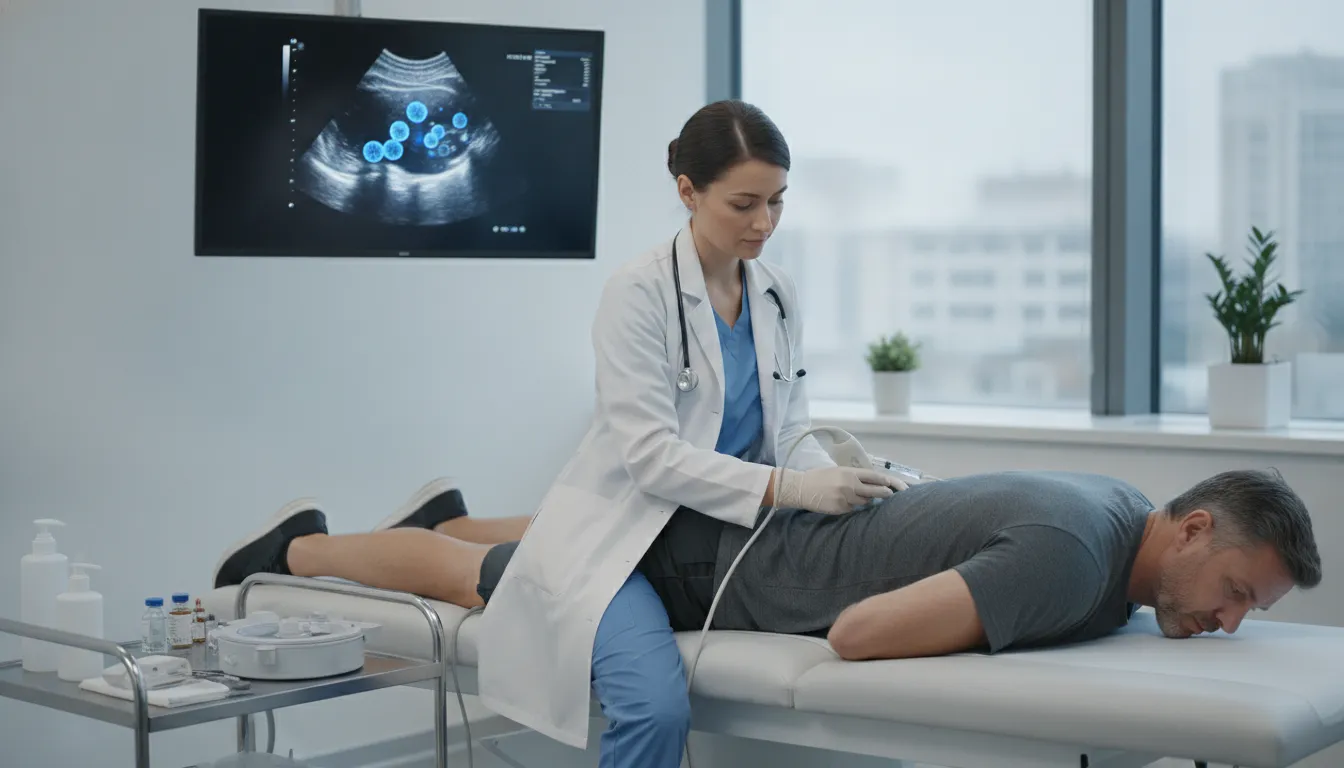
Regenerative Therapy for Chronic Back Pain: What to Know
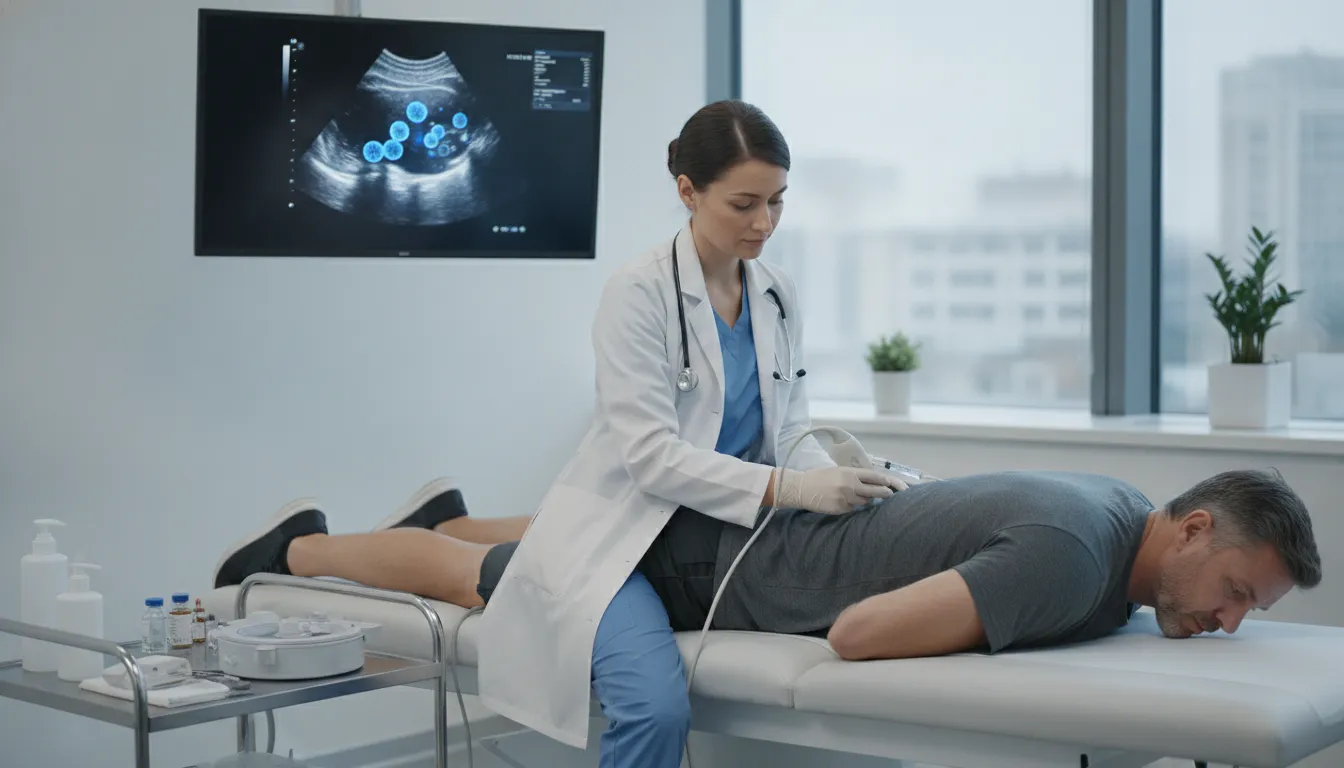
Back pain does not always come from the area that hurts. A painful disc, facet joint, sacroiliac joint, ligament, or irritated nerve may produce similar symptoms. That is why regenerative therapy for chronic back pain should begin with a careful medical evaluation, not a treatment recommendation based on an MRI alone. Your physician may review your symptoms, examine your movement and strength, and use imaging to identify the most likely pain source. If treatment is appropriate, PRP or a cell-based injection may be considered alongside rehabilitation and strength training. Understanding the process can help you make a safer, more informed decision. Learn more about Sigma Core’s regenerative medicine services as you compare your options.
If you would like to discuss your symptoms, goals, and options, schedule a consultation with Sigma Core Medical Center.
Key Takeaways
- Confirm the pain source first: A thorough evaluation should connect your symptoms, physical examination, imaging, medical history, and activity goals before any injection is considered.
- Understand what treatment can and cannot do: PRP and cell-based therapies may help selected patients with pain and function, but they do not guarantee tissue repair or replace care for serious nerve compression and other structural problems.
- Choose care based on evidence and personal goals: Ask about risks, product processing, provider experience, costs, alternatives, recovery, and follow-up, then track meaningful outcomes such as walking, sleep, strength, exercise, and daily independence.
What Is Regenerative Therapy for Chronic Back Pain?
Regenerative therapy describes a group of treatments intended to support the body’s natural healing response. For chronic back pain, the approach usually begins by identifying the structure most likely causing symptoms, such as a disc, joint, ligament, tendon, or other soft tissue. When appropriate, a biologic treatment is then delivered to that area.
These treatments are not right for every person or every type of back pain. A thorough evaluation should consider your symptoms, medical history, physical examination, imaging, activity level, and goals. For adults who want to remain active and independent, the most useful treatment plan often focuses on both pain relief and improved movement, strength, and daily function.
Identify Common Sources of Chronic Back Pain
Chronic back pain can come from several structures in and around the spine. A lumbar muscle strain may cause localized soreness and stiffness, while an irritated nerve can create pain, tingling, numbness, or weakness that travels into the buttocks or legs. Age-related changes in the spinal discs and facet joints may also contribute to discomfort and reduced mobility.
Other potential sources include the sacroiliac joint, which connects the lower spine to the pelvis, as well as a bulging disc, arthritis, spinal stenosis, or an injured ligament. More than one problem may be present at the same time.
The location, timing, and pattern of your symptoms can provide useful clues, but they do not confirm the source by themselves. A clinician may combine a physical examination, movement testing, and imaging to determine which structure is most likely involved. A careful evaluation helps connect symptoms, examination findings, imaging, and treatment considerations.
Define What “Regenerative” Means and What It Does Not Promise
The term “regenerative” refers to treatments intended to support tissue repair or the body’s healing response. In chronic back pain care, this may involve concentrating substances from your own blood or using a cell-based product, then placing the treatment near a painful or damaged structure.
Regenerative therapy does not promise to rebuild every worn disc, reverse arthritis, or provide permanent relief. Research is still developing, and results can vary based on the source of pain, the condition of the tissue, the product used, and the person receiving treatment. Some patients may experience less pain and better function, while others may have limited or temporary improvement.
Regenerative medicine aims to address possible contributors to pain rather than only masking symptoms. It should still be considered as one part of a broader care plan, which may include rehabilitation exercises, progressive strength training, medication, lifestyle changes, or other procedures.
See How PRP and Cell-Based Treatments May Support Pain Relief and Recovery
Platelet-rich plasma, or PRP, is prepared from a small sample of your blood. The sample is processed to concentrate platelets, which contain growth factors involved in tissue repair and inflammation. A clinician then injects the PRP into the area believed to be contributing to your pain. Image guidance may be used to improve placement.
Cell-based treatments use products that contain or are derived from cells. Some use mesenchymal stem cells from sources such as bone marrow or adipose tissue. These cells may interact with nearby tissues and release signaling factors associated with inflammation and repair. However, cell-based products differ in their source, preparation, concentration, and intended use. The research also varies by product and diagnosis.
These approaches may support pain relief and recovery for selected patients, but evidence varies by diagnosis and product. Before treatment, ask what product will be used, where it comes from, how it is processed, where it will be injected, and what evidence applies to your condition.
Start With an Accurate Diagnosis
A precise diagnosis is the foundation of responsible treatment. An MRI may show disc degeneration, arthritis, or another structural change, but an imaging finding does not always explain your symptoms. Many adults have visible spine changes without significant pain, so scan results should be considered alongside your history and physical examination.
Your clinician may assess spinal movement, hip function, leg strength, reflexes, sensation, walking pattern, and pain during specific movements. In some cases, a diagnostic injection can help determine whether a particular joint or structure is contributing to your symptoms.
Treatment depends on the underlying cause. If nerve compression, advanced spinal stenosis, fracture, infection, or another serious condition is suspected, regenerative therapy may not be the appropriate first step. Seek prompt medical care for new bowel or bladder problems, numbness in the groin area, progressive leg weakness, fever, or severe pain after an injury.
Which Chronic Back Pain Conditions May Regenerative Therapy Address?
Regenerative therapy may be considered for certain chronic back pain conditions when the suspected source involves a disc, joint, ligament, or tendon. Depending on the treatment, the goal may be to support the body’s healing response, calm inflammation, improve tissue function, or reduce pain. These therapies are not appropriate for every diagnosis, and results can vary based on the severity of tissue changes, overall health, activity level, and treatment plan.
An accurate diagnosis should come before any injection. Back pain may come from more than one structure, and an abnormality on an MRI does not always explain a person’s symptoms. Your physician may review your medical history, perform a physical examination, and recommend imaging or other testing. Research is still developing, particularly for cell-based treatments. The International Journal of Spine Surgery review of stem cell therapy for discogenic low back pain shows how researchers are evaluating these treatments and the need for further evidence.
Discogenic Pain and Degenerative Disc Disease
Spinal discs sit between the vertebrae and absorb shock during movement. With age or repeated stress, a disc may lose hydration, develop small tears, or become less effective at distributing pressure. When the disc itself causes pain, the condition is called discogenic pain. Symptoms may include aching in the lower back, stiffness, and discomfort that worsens with sitting, bending, or lifting.
A physician may discuss regenerative therapy when disc-related pain continues despite appropriate nonsurgical care. Some treatments aim to reduce inflammation or support the disc’s local healing environment. They cannot reliably restore a severely damaged disc to its original condition, however. Your provider should first determine whether the disc is the likely pain source rather than assuming that degeneration on an MRI explains every symptom.
Facet Joint Pain and Spinal Arthritis
Facet joints connect the bones at the back of the spine and help control bending and rotation. Like other joints, they may develop cartilage wear and inflammation over time. Facet joint pain often worsens with standing, walking, twisting, or arching the back. It may also cause stiffness or discomfort that spreads into the buttocks and upper legs.
Depending on your diagnosis, a physician may discuss PRP or another regenerative approach for facet-related pain. The goal may be to reduce inflammation and improve comfort during movement, not to reverse established arthritis. A medical evaluation should determine whether a regenerative approach fits facet joint symptoms.
Sacroiliac Joint Pain
The sacroiliac joints connect the base of the spine to the pelvis. Irritation in one of these joints may cause pain in the lower back, buttock, hip, or upper leg. Symptoms can worsen with prolonged standing, walking, climbing stairs, turning in bed, or moving from sitting to standing.
Regenerative therapy may be considered when an examination and diagnostic testing indicate that the sacroiliac joint is the pain source. Treatment may aim to reduce local inflammation and improve comfort during movement. Since sacroiliac pain can resemble hip, disc, or nerve-related pain, careful diagnosis is important. a qualified provider may discuss a nonsurgical option after evaluating the sacroiliac joint.
Selected Ligament and Tendon Injuries
Ligaments and tendons help stabilize the spine and pelvis and transfer force during movement. Repetitive strain, an injury, or altered movement mechanics may irritate these tissues and contribute to persistent pain. Symptoms are often localized, although discomfort may spread into nearby areas.
In selected cases, PRP may be considered for a back or pelvic ligament or tendon injury, especially when symptoms continue despite activity changes and rehabilitation. The treatment should target a clearly identified tissue problem. It may be less useful when pain comes primarily from nerve compression, advanced arthritis, or another condition. Before recommending an injection, your provider should assess strength, movement patterns, nearby joints, and the results of any imaging.
Know When to Consider Herniated Disc Treatment
A herniated disc occurs when disc material pushes beyond its usual boundary and may irritate a nearby nerve. Some people have a herniated disc without symptoms. Others develop back pain, leg pain, tingling, numbness, or weakness. Treatment depends on the herniation’s location, the degree of nerve involvement, and its effect on daily activities.
Regenerative therapy may be discussed in carefully selected cases, but it is not a substitute for urgent care when a nerve is seriously compressed. If medication, rehabilitation, and other appropriate treatments have not helped, ask a qualified physician whether an injection fits your diagnosis and goals. A qualified clinician should evaluate symptom severity, cause, medical history, and previous care.
Understand Spinal Stenosis and Nerve Compression
Spinal stenosis occurs when the spaces around the spinal cord or spinal nerves become narrower. Arthritis, disc changes, bone spurs, and thickened ligaments may contribute. In the lower back, symptoms can include back pain, leg aching, numbness, or weakness that worsens with standing and walking and improves when sitting or leaning forward.
Regenerative therapy may not correct the underlying narrowing. An injection might be considered for related inflammation or pain in some cases, but it cannot reliably create more space around a compressed nerve. Your physician may recommend rehabilitation, medication, targeted injections, or specialist care based on your examination and imaging. Progressive weakness, balance problems, or a declining ability to walk should receive prompt medical attention.
Identify Conditions That Need Specialist or Urgent Care
Some symptoms require urgent evaluation rather than an elective regenerative therapy consultation. Seek immediate medical care for new loss of bladder or bowel control, numbness in the groin or saddle area, severe or rapidly worsening leg weakness, or difficulty walking. These symptoms may signal serious nerve compression and should not wait for a scheduled visit.
Contact a physician promptly if back pain occurs with fever, unexplained weight loss, a history of cancer, major trauma, or severe pain at night or unrelated to movement. Specialist care may also be appropriate when symptoms persist, imaging shows significant structural changes, or previous treatment has not helped. Before recommending regenerative therapy, a provider should review your examination, imaging, medications, and medical history to determine whether treatment is suitable and safe.
Compare PRP and Stem Cell Treatments for Chronic Back Pain
PRP and cell-based treatments are both described as regenerative therapies, but they are not the same procedure. PRP uses concentrated platelets from your own blood. Cell-based treatments use cells or cell-containing tissue collected from bone marrow, fat, or another source. Each approach has different preparation methods, treatment goals, risks, and levels of supporting evidence.
The right choice depends on the source of your pain, your imaging results, physical examination, overall health, and personal goals. For example, an injection aimed at a painful facet joint may not be appropriate for severe spinal stenosis or nerve compression. A careful diagnosis is essential before discussing any injection.
It is also important to keep expectations realistic. Regenerative therapy may help reduce pain or support function in selected patients, but it cannot guarantee that damaged discs, joints, or nerves will return to normal. Results vary, and some chronic back pain has several contributing causes.
During your consultation, ask which structure is being treated, why the provider recommends PRP or a cell-based option, and how success will be measured. Useful outcomes include walking tolerance, strength, sleep, medication use, and your ability to return to meaningful activities.
Understand Platelet-Rich Plasma Injections
PRP therapy begins with a small blood sample. The sample is processed to concentrate platelets, which contain growth factors and other signaling proteins. The prepared plasma is then injected into the area believed to be contributing to your pain.
The goal is to support the body’s repair response and help regulate inflammation. PRP does not replace missing disc material, remove a bone spur, or physically decompress a pinched nerve. Instead, it may be considered for selected joint, ligament, tendon, or disc-related problems.
PRP preparations can vary. Some contain a higher concentration of platelets, while others include more white blood cells or red blood cells. These differences may affect how the product is used and how the tissue responds. Ask how the clinic prepares PRP and why that preparation fits your diagnosis.
You can learn more about the proposed role of PRP in chronic back pain through a consultation about whether regenerative care fits your diagnosis and goals.
Explore Bone Marrow-Derived Cell Treatments
Bone marrow-derived treatments use tissue collected from bone marrow, often from the back of the pelvic bone. The material may contain mesenchymal stromal cells along with other cells and biological factors. After collection and preparation, a clinician places the product near the structure believed to be causing pain.
Researchers are studying how these cells interact with surrounding tissue and release signals related to inflammation and repair. That research does not prove that an injection will rebuild a severely degenerated disc or reverse spinal arthritis. Outcomes can depend on the diagnosis, the product, the injection site, and the patient’s health.
Ask how the tissue will be collected, processed, tested, and delivered. You should also receive a clear explanation of the expected benefits, possible risks, alternatives, and uncertainties. Research on cell-based treatment for disc-related pain is discussed in this systematic review from the International Journal of Spine Surgery.
Review Adipose-Derived and Other Cell-Based Products
Adipose-derived treatments use tissue collected from a person’s fat, usually through a minor harvesting procedure. Fat tissue contains several types of cells and biological materials that researchers are evaluating for their possible effects on inflammation and tissue repair.
The phrase “stem cell treatment” can refer to very different products. Some preparations contain a mixture of cells, while others may contain biological material with few or no living stem cells. The collection method, laboratory handling, processing, storage, and regulatory status can all vary between clinics.
Before treatment, ask exactly what will be injected and where it came from. Confirm whether the product is prepared from your own tissue, a donor source, or another material. Ask what evidence supports its use for your specific condition, not simply for regenerative medicine in general.
Bone marrow-derived and adipose-derived approaches differ in their sources, processing, evidence, and regulatory considerations.
Compare Autologous and Donor-Derived Treatments
Autologous treatment uses your own biological material. PRP comes from your blood, while some cell-based procedures use tissue collected from your bone marrow or fat. Because the material comes from your body, autologous treatment may reduce concerns about immune compatibility and transmission of certain infections. It still carries risks related to harvesting, processing, and injection.
Donor-derived products come from another person or biological source. They may offer a more standardized preparation, but their safety depends on donor screening, testing, manufacturing, storage, and proper use. A donor-derived product is not automatically safer or more effective than an autologous option.
Ask whether the product is approved or cleared for the proposed use, how it is tested, and who prepares it. The FDA’s information on regenerative medicine therapies explains important questions about cell-based products and medical claims.
Understand Intradiscal, Facet Joint, and Sacroiliac Injections
The injection site should match the suspected source of your pain. An intradiscal injection targets the space within a spinal disc and may be considered when symptoms, examination findings, and other testing point to disc-related pain.
A facet joint injection targets the small joints behind the vertebrae. These joints can become painful because of arthritis, age-related changes, or repeated stress. A sacroiliac injection targets the joint connecting the lower spine to the pelvis. Sacroiliac pain may spread into the buttock, hip, or leg and can resemble other conditions.
Symptoms alone cannot always identify the painful structure. Your provider may combine a physical examination, imaging, and, in some cases, a diagnostic injection before recommending regenerative treatment.
Image guidance may help place the needle accurately. However, an injection cannot correct every cause of back pain. Severe nerve compression, spinal instability, infection, or certain fractures may require specialist care or a different treatment plan.
Evaluate Image Guidance, Product Processing, and Treatment Quality
Technical details affect both safety and treatment quality. Fluoroscopy or ultrasound can help a clinician see the target area and guide the needle, particularly during disc, facet joint, and sacroiliac procedures. Ask which imaging method will be used and why it is suitable for your injection.
For PRP, ask how your blood will be processed, which components will be concentrated, and whether the preparation is designed for the treatment site. For cell-based care, ask how tissue will be collected, handled, processed, and tested. These details can differ significantly between providers.
Provider experience also matters. Look for a clinician who regularly evaluates spinal and musculoskeletal conditions, explains nonsurgical and surgical alternatives, and monitors results over time. A responsible treatment plan should include diagnosis, informed consent, aftercare, rehabilitation, and follow-up. The injection itself should not be the only focus.
Compare PRP and Stem Cell Treatments
PRP provides concentrated platelets and growth factors from your blood. Cell-based treatment provides cells or cell-containing tissue that may interact with surrounding tissue and release signaling factors. Both approaches are intended to support the body’s healing response, but neither is proven to work for every type of chronic back pain.
PRP is usually simpler to collect and prepare. Cell-based procedures may require tissue harvesting, more involved processing, and a higher overall cost. The risks also differ. PRP may cause temporary soreness or a pain flare, while cell-based care may involve risks from tissue collection, product handling, and the injection itself.
Results may be less predictable when pain involves advanced degeneration, significant nerve compression, spinal instability, or several overlapping conditions. Your provider should explain how the recommended treatment compares with rehabilitation, medication, standard injections, radiofrequency ablation, or surgery when appropriate.
Before deciding, ask what evidence supports the treatment for your diagnosis, what a reasonable outcome would look like, and when you should expect to reassess your progress. Pain relief is important, but meaningful improvement may also include better mobility, greater strength, improved sleep, reduced medication use, and more independence in daily activities.
What Does Current Research Say About Regenerative Therapy for Chronic Back Pain?
Research on regenerative therapy for chronic back pain is encouraging, but it remains limited. Studies suggest that platelet-rich plasma (PRP) and cell-based injections may reduce pain and improve physical function for carefully selected patients. Results vary, however, based on the cause of pain, the injection site, the product used, and how researchers measure outcomes.
That distinction matters. A treatment studied for disc-related pain may not produce the same results for facet joint arthritis, sacroiliac joint pain, or nerve compression. Regenerative therapy should also be considered alongside rehabilitation exercises, progressive strength training, medication, and other established treatments. It is not a universal replacement for these options.
A systematic review published in the International Journal of Spine Surgery reported improvements in pain, disability, and some MRI findings after intradiscal stem cell therapy. However, the authors rated the overall evidence as Level 4, meaning stronger research is needed before doctors can make broad conclusions. Reviewing the evidence can help you ask informed questions and set practical treatment goals.
Review Systematic Research on Intradiscal Stem Cell Therapy
Intradiscal stem cell therapy involves placing a cell-based product into a spinal disc believed to be contributing to chronic pain. The goal is to influence the local disc environment and support tissue recovery. The biological effects may differ depending on the cell source, product preparation, dose, and condition of the disc.
The systematic review in the International Journal of Spine Surgery found improvements in pain scores, disability ratings, and daily function across the studies it examined. Some participants also showed changes in disc appearance on MRI.
These results are promising, but they do not show that stem cell injections repair every degenerated disc or help every patient. The studies varied in design and treatment methods, and several included relatively small patient groups. A detailed diagnosis remains essential before considering an intradiscal procedure.
Examine PRP Research on Disc, Facet, and SI Joint Pain
PRP is prepared from a patient’s own blood. A clinician processes the sample to concentrate platelets and related proteins, then injects the preparation into a specific area. Researchers have studied PRP for disc-related pain, facet joint pain, sacroiliac joint problems, and selected ligament or tendon injuries.
Research suggests that PRP may help some patients experience less pain and better function, particularly when the injection targets a clearly identified pain source. Still, studies use different preparation methods, platelet concentrations, injection volumes, guidance techniques, and follow-up periods. These differences make direct comparisons difficult.
Published research on PRP across several causes of chronic back pain remains mixed. Because evidence varies by diagnosis, product, and injection site, patients should ask how strong the evidence is for their specific condition and how the treatment compares with other options.
Measure Pain, Disability, Mobility, and Daily Function
Pain relief is only one measure of progress. Research may also assess whether patients can walk farther, stand longer, sleep more comfortably, exercise, work, or manage everyday activities with less difficulty.
In the systematic review of intradiscal stem cell therapy, participants had significant improvements in pain scores. Disability scores, measured with the Oswestry Disability Index, also improved. These findings suggest that some patients experienced changes that extended beyond a lower pain rating.
A questionnaire score may not capture every change that matters to you. Someone may report less pain but still struggle to climb stairs or exercise. For that reason, treatment goals should include specific activities, such as lifting safely, walking a certain distance, playing with grandchildren, or returning to a favorite sport. Tracking these goals alongside pain and disability scores gives a more useful picture of progress.
Compare MRI Findings With Meaningful Clinical Improvement
MRI can show disc height, hydration, degeneration, and other structural features. In the systematic review, researchers reported a statistically significant improvement in Pfirrmann disc grading after intradiscal stem cell treatment.
That finding is important, but an MRI does not tell the whole story. Many adults have disc degeneration without pain, while others have severe symptoms with modest imaging changes. A structural change on a scan may also have limited practical value if you still cannot walk, exercise, or sleep comfortably.
The most useful assessment combines imaging with a physical examination, symptom pattern, strength testing, and personal goals. MRI findings can help identify a possible pain source, but they should not determine treatment on their own. Meaningful improvement should include both symptom relief and better participation in daily activities.
Understand Why Results Vary
Regenerative therapy is not one standardized treatment, which helps explain why research findings differ. Studies may use different cell sources, cell concentrations, PRP preparation methods, injection volumes, and imaging guidance techniques. The injection site also matters because a disc, facet joint, and sacroiliac joint have different structures and may respond differently.
Patient factors can affect results as well. Age, smoking, diabetes, body composition, activity level, spinal alignment, nerve involvement, and the severity of tissue damage may influence healing and recovery. Studies may also define success differently, with some focusing on pain scores and others emphasizing MRI changes or physical function.
Because of this variation, one study cannot predict your individual outcome. A qualified provider should explain which evidence applies to your diagnosis, what results are realistic, and how progress will be measured. Ask whether the treatment has been studied for your specific pain source, not simply for back pain in general.
Review Long-Term Safety, Durability, and Research Gaps
Short-term studies offer useful information, but chronic back pain treatment also requires answers about durability. Researchers still need to determine how long improvements last, whether repeat injections are helpful, and which patients are most likely to benefit.
The systematic review authors called for larger, prospective, controlled studies with longer follow-up periods. Future research should compare regenerative treatments with established options, use more consistent preparation and injection methods, and report complications clearly.
Long-term safety also deserves careful attention. Potential concerns may include infection, bleeding, worsening pain, nerve irritation, and unexpected tissue changes. Oversight may differ depending on the product and how it is prepared. Before treatment, ask about the evidence for the specific product, the source and processing of the cells or platelets, the provider’s experience, and the follow-up plan. These details can help you weigh possible benefits against the remaining uncertainty.
Weigh the Benefits, Risks, and Limitations
Regenerative therapy may be an option for adults with persistent back pain that has not improved with rehabilitation, exercise, medication, or other conservative care. Potential results depend on the source of pain, the tissue being treated, the injection method, and your overall health. Some people experience less pain and improved movement, but no treatment works for everyone.
A responsible decision includes more than a discussion of possible benefits. Ask about the evidence for your specific diagnosis, the provider’s experience, the expected recovery period, possible complications, total cost, and available alternatives. Cell-based treatments, in particular, still require more research. Outcomes can vary between patients and between treatment protocols, so a qualified medical professional should help you weigh the potential value of treatment against its limitations.
Consider Possible Pain Relief and Reduced Inflammation
Regenerative treatments may help reduce chronic back pain by supporting the body’s healing response and influencing inflammation in selected tissues. Depending on the diagnosis, an injection may target a disc, facet joint, sacroiliac joint, ligament, or another structure contributing to symptoms. The intended result is often less pain and better movement.
Regenerative therapy does not address every cause of back pain. Symptoms may involve several structures at once, including nerves, joints, muscles, and discs. An injection may provide little relief if the targeted area is not the primary pain source. Your clinician should review your symptoms, physical examination, and imaging together rather than relying on a scan alone. Learn more about regenerative medicine care for chronic back pain and how it may fit your broader care plan.
Improve Mobility, Strength, and Physical Function
Pain relief is important, but functional improvement may be the more meaningful outcome. Effective care may help you walk farther, climb stairs, sit comfortably, exercise, or complete household tasks with fewer limitations. Less pain may also make it easier to participate in rehabilitation exercises and rebuild strength around the spine, hips, and core.
Research on intradiscal stem cell therapy has reported improvements in pain, disability, and daily function. However, studies use different products, patient groups, and treatment methods, so the findings do not apply equally to every patient. A better questionnaire score may not translate into improved real-world performance. Set specific goals with your provider, such as taking longer walks or returning to resistance training. This systematic review of stem cell therapy provides useful context for the available research.
Reduce Reliance on Medication or Surgery
For some patients, regenerative therapy may reduce the need for repeated pain medication or delay more invasive treatment. This may appeal to people who experience medication side effects or want to remain active while considering nonsurgical care. Some clinics also describe shorter recovery periods and fewer complications than surgery, but these statements need careful review.
Regenerative therapy is not a guaranteed substitute for surgery. Severe nerve compression, spinal instability, infection, fracture, or progressive neurological symptoms may require specialist or surgical treatment. Do not stop a prescribed medication without medical guidance, especially if you take anticoagulants or manage another chronic condition. Ask how the proposed treatment compares with rehabilitation, medication, other injections, radiofrequency ablation, and surgery for your diagnosis. Review the benefits, risks, and alternatives with a qualified clinician.
Recognize Injection-Related Pain Flares, Infection, Bleeding, and Nerve Injury
Temporary soreness or a pain flare can occur after an injection. This may result from needle irritation, tissue sensitivity, or a short inflammatory response. Before treatment, your clinician should explain how long discomfort may last, which activities to avoid, and when to call the office.
Other possible complications include infection, bleeding, allergic reactions, damage to nearby tissue, and nerve injury. Risk may be higher for people with certain medical conditions or those taking medication that affects clotting. Image guidance can improve needle placement, but it does not remove every risk. Contact your care team promptly if you develop increasing redness, warmth, drainage, fever, severe swelling, new weakness, numbness, or loss of bladder or bowel control. Make sure you understand these risks before providing consent.
Review PRP-Specific Considerations
Platelet-rich plasma, or PRP, is made from a sample of your own blood. A clinician processes the sample to concentrate platelets, then injects the preparation into a targeted area. Platelets contain signaling substances that may influence inflammation and tissue repair, but PRP products can differ considerably between clinics.
The platelet concentration, white blood cell content, preparation method, injection volume, and number of treatments may vary. These differences can affect how PRP is used and make it difficult to compare results across studies. Temporary soreness or inflammation may occur after treatment. Tell your provider about anemia, bleeding disorders, active infection, and medication that affects clotting. Ask whether any medication changes are needed, and make changes only with medical supervision. Ask your clinician how PRP is prepared and whether it is appropriate for you.
Understand Cell-Based Treatment Safety Concerns
Cell-based treatments may use cells collected from bone marrow, adipose tissue, or another source. Clinics may refer to these products as stem cell treatments, but the cell type, processing method, dose, and delivery technique can vary widely. These differences affect both safety and how well research findings apply to a specific treatment.
A small study with no reported complications does not prove that a treatment is risk-free. A systematic review of mesenchymal stem cell injections for discogenic low back pain found no reported adverse events in the reviewed studies, but the authors also noted that safety evidence remains limited. Larger studies and longer follow-up are needed to understand uncommon complications, long-term results, and the effects of repeat treatment. Ask whether the product has been studied for your exact diagnosis and request peer-reviewed evidence instead of relying mainly on testimonials.
Check FDA Oversight, Regulation, and Marketing Claims
Regenerative medicine marketing may use terms such as stem cells, biologics, tissue repair, and natural healing. These terms do not show that a product has been proven effective for your diagnosis. Ask exactly what will be injected, where it came from, how it was processed, and what regulatory status applies to its use.
The US Food and Drug Administration states that many products promoted as regenerative medicine therapies have not been approved for the conditions they claim to treat. Review the agency’s consumer alert about unapproved stem cell and exosome products. Be cautious when a clinic promises guaranteed healing, relies mainly on dramatic testimonials, or discourages questions about complications. Marketing claims should not replace informed consent, medical evaluation, and condition-specific research.
Consider Cost, Insurance Coverage, and Uncertain Durability
Many regenerative procedures are considered elective or investigational by insurers, so coverage may be limited. Before scheduling treatment, request a written estimate that includes the consultation, imaging, laboratory work, procedure, facility fees, medications, follow-up visits, and rehabilitation. Ask what happens if the first treatment does not help and whether repeat injections may be recommended.
Consider the cost alongside the strength of the evidence and the likelihood of meaningful improvement. Some patients may experience lasting relief, while others may notice temporary or minimal change. Long-term durability remains uncertain for many regenerative approaches, especially cell-based treatments. Ask how results will be measured, when improvement should occur, and what research supports the expected duration. A transparent provider should explain the possible benefits, risks, alternatives, and ongoing costs before you commit to care.
Who Is a Suitable Candidate for Regenerative Therapy?
Regenerative therapy may be worth discussing if chronic back pain continues to affect your walking, exercise, sleep, work, or daily activities after appropriate conservative care. It is not the right choice for everyone, and candidacy depends on more than your age, pain duration, or MRI results. A thorough evaluation should connect your symptoms, physical examination, imaging, medical history, and goals.
A qualified physician can help determine whether a regenerative treatment fits your diagnosis and whether another option may be more appropriate. This may include rehabilitation, medication, targeted injections, radiofrequency treatment, or surgery. The National Institute of Arthritis and Musculoskeletal and Skin Diseases recommends medical evaluation when back pain is severe, persistent, or interfering with daily life.
Confirm the Source of Your Pain
Back pain can come from the spinal discs, facet joints, sacroiliac joint, muscles, ligaments, or irritated nerves. More than one structure may be involved, and pain location alone cannot reliably identify the source. Before considering an injection, your physician should determine which structure is most likely causing your symptoms.
During an evaluation, your physician may ask when the pain began, what makes it better or worse, and whether it travels into your hip or leg. They may also check your posture, walking pattern, strength, reflexes, range of motion, and areas of tenderness. Treatment depends on the underlying cause. If the diagnosis is unclear, additional testing or another treatment approach may be safer.
Match Imaging Findings With Your Physical Examination
MRI scans can show disc degeneration, arthritis, narrowing, or other changes. These findings become more common with age, though, and they do not always explain a person’s pain. A suitable candidate is generally someone whose imaging results match the location, pattern, and examination findings associated with their symptoms.
Your physician may recommend imaging when it can clarify the diagnosis or help guide a procedure. The purpose is not simply to treat an abnormal-looking scan. It is to determine whether a specific structure is contributing to your pain and whether treating it could improve your function. A systematic review of intradiscal stem cell therapy examined pain, physical function, daily activities, and MRI findings, showing why symptom improvement and imaging changes should be considered separately.
Review Previous Treatment and Personal Goals
Regenerative therapy may be considered when a well-planned course of conservative care has not provided enough relief. Depending on your diagnosis, this may include guided rehabilitation exercise, progressive strengthening, activity changes, medication, weight management, or other nonsurgical treatments. Your physician should review what you tried, how consistently you followed the plan, and how your symptoms responded.
Your goals are also important. You may want to walk farther, return to golf, sleep comfortably, travel, or reduce your reliance on medication. Patients who have not improved with medication or rehabilitation may discuss regenerative options with a qualified clinician. Treatment should support a broader care plan, not replace rehabilitation or healthy movement.
Consider Your Age, Health, Medications, and Medical History
Age alone does not determine whether regenerative therapy is appropriate. A healthy adult in their 70s may be a better candidate than a younger person with an active infection, uncontrolled medical condition, or medication-related bleeding risk. Your physician should review your heart and vascular health, immune system, blood sugar, bone health, prior surgeries, allergies, and history of poor wound healing.
Bring a complete list of prescription medications, supplements, and over-the-counter products to your consultation. Blood thinners, anti-inflammatory drugs, immune-suppressing medications, and certain supplements may affect preparation or recovery. Do not stop a medication without medical guidance. Your overall health and medical history are central to the decision.
Know When to Delay or Avoid Treatment
Regenerative therapy is not suitable for everyone, and delaying treatment may be the safest choice. Your physician may recommend waiting if you have an active infection, a skin infection near the injection site, uncontrolled diabetes, a significant blood-clotting problem, or another condition that increases procedural risk. A procedure may also be postponed while a new or unexplained symptom is evaluated.
You may need another form of care if your pain results from severe nerve compression, an unstable spinal condition, a serious fracture, cancer, or another problem that an injection cannot correct. Be cautious of clinics that promise tissue repair, permanent relief, or a way to avoid surgery in every case. A responsible provider should explain uncertainty, alternatives, and the reasons you may not be an appropriate candidate.
Recognize Red-Flag Symptoms That Need Prompt Evaluation
Some symptoms require prompt medical attention rather than an elective regenerative injection. Seek urgent evaluation for new or worsening leg weakness, loss of coordination, numbness around the groin or inner thighs, or new loss of bladder or bowel control. These symptoms may signal serious nerve compression that requires rapid assessment.
Contact a medical professional promptly if back pain follows a major fall or accident, or if it occurs with fever, unexplained weight loss, a history of cancer, severe night pain, or signs of infection. New pain in someone with significant osteoporosis also deserves careful evaluation because a spinal compression fracture may be present. The American Association of Neurological Surgeons identifies bowel or bladder changes and progressive leg weakness as symptoms that warrant immediate attention.
Set Goals for Independence, Activity, and Physical Performance
A strong candidate usually has a clear, measurable reason for considering treatment. Rather than focusing only on eliminating pain, define what you want to do more comfortably. Your goal might be walking for 30 minutes, climbing stairs, standing to cook, exercising regularly, or returning to a favorite recreational activity.
Discuss how progress will be measured before treatment. Your plan might track pain during specific activities, walking distance, sleep quality, strength, range of motion, or medication use. These measures can provide more useful information than a single pain rating. Regenerative therapy is intended to support pain relief and function, while rehabilitation helps you build capacity safely. Realistic goals also make it easier to determine whether treatment is helping and what to consider next.
Follow the Regenerative Therapy Process
Regenerative therapy for chronic back pain should follow a structured medical process, not a one-size-fits-all protocol. The first step is identifying the likely source of your pain and deciding whether PRP or a cell-based treatment fits your diagnosis, health history, and goals. Imaging can provide useful information, but it should be reviewed alongside your symptoms, physical examination, strength, mobility, and nerve function.
A complete plan also includes preparation, activity guidance, rehabilitation, and follow-up. The goal is not simply to complete an injection. It is to determine whether treatment helps you stand, walk, exercise, sleep, and manage daily activities with less pain. Before scheduling care, discuss expected benefits, possible risks, treatment alternatives, costs, and the evidence for your specific condition with a qualified physician.
Your care team should explain what will happen before, during, and after treatment. Ask how the injection site will be selected, whether imaging will guide needle placement, what recovery may involve, and how progress will be measured. This information can help you make a thoughtful decision and recognize when your plan may need to change.
Complete a Consultation and Create a Treatment Plan
Your consultation should begin with a detailed review of your pain. Tell your physician when it started, what makes it worse, whether it travels into your legs, and how it affects walking, sleep, exercise, work, and personal care. Share information about previous physical therapy, medications, injections, surgery, injuries, and other health conditions.
Your physician may perform a physical examination and review X-rays, MRI scans, or other testing. These steps can help identify whether your symptoms are coming from a disc, facet joint, sacroiliac joint, muscle, ligament, or compressed nerve. If medication or rehabilitation has not provided enough relief, you may wish to discuss regenerative options with a qualified clinician.
A treatment plan should explain why a specific procedure is being considered, where it will be performed, how many treatments may be recommended, and how progress will be assessed. It should also include alternatives if the treatment does not provide enough relief.
Select the Injection Site and Guidance Method
The injection site should match the suspected source of pain, rather than being selected solely because an abnormality appears on an image. For example, a physician may consider an intradiscal injection for carefully selected disc-related pain, a facet joint injection for facet-mediated pain, or a sacroiliac injection when that joint is contributing to symptoms.
Ask how your physician will confirm the target before treatment. Image guidance, such as fluoroscopy or ultrasound, may help the clinician place the needle accurately and avoid nearby structures. The most appropriate method depends on the location, type of injection, and provider’s training.
PRP is injected into the painful or damaged area after the treatment site has been identified. Image guidance may help confirm placement, depending on the procedure and provider. Ask whether contrast, local anesthetic, or another method will be used, and discuss how each choice may affect the procedure or your symptoms afterward.
Prepare for PRP or Cell-Based Treatment
Preparation depends on the treatment selected and your medical history. For PRP, a clinician typically draws a small amount of your blood and processes it to concentrate the platelets. The resulting product is then prepared for injection. Tell your care team about blood thinners, aspirin, anti-inflammatory medications, supplements, allergies, bleeding conditions, and recent infections.
Do not stop a prescription medication unless the prescribing clinician tells you to do so. You may also receive instructions about eating, drinking, skin care, transportation, and activity before the procedure. Follow these instructions closely and contact the clinic if you develop a fever, skin infection, or other illness before your visit.
Cell-based treatments may involve a different collection process, such as obtaining tissue or bone marrow. Ask where the cells come from, how they are processed, whether they are your own cells or donor-derived, and what quality checks are performed. Request clear information about the evidence, risks, and regulatory status of the specific product being offered.
Know What to Expect During and After the Injection
A typical procedure includes positioning you comfortably, cleaning the skin, numbing the area when appropriate, and guiding the needle to the planned site. Your clinician may use imaging during the injection to improve accuracy. Tell the team if you feel unusual pressure, sharp pain, numbness, weakness, dizziness, or another concerning symptom.
The procedure time varies by the injection site and treatment type. Your visit may include preparation, blood collection, the injection, observation, and discharge instructions. Ask your provider what to expect on the day of treatment and which questions should be answered before you consent.
Some people experience temporary soreness or a pain flare after an injection. Ask which symptoms are expected, what you can take for discomfort, and when to call the clinic. Seek prompt medical advice for fever, increasing redness or swelling, drainage, severe pain, new weakness, or loss of bowel or bladder control.
Plan Recovery, Activity, and Physical Rehabilitation
Recovery instructions should be specific to your procedure, diagnosis, and current level of function. Your clinician may recommend limiting strenuous activity for a short period, followed by a gradual return to walking and other low-impact movement. Avoid assuming that complete bed rest is helpful unless your medical team specifically recommends it.
Physical rehabilitation often plays an important role after treatment. Once your clinician gives you clearance, your care team can guide rehabilitation exercises for core control, hip strength, posture, balance, and movement patterns that support your back. Progress should be gradual and based on your symptoms and function, not on a fixed timeline.
Ask when you may drive, work, lift, exercise, swim, or return to recreational activities. Recovery varies by patient and procedure, even when a treatment involves less downtime than surgery. Use your provider’s post-treatment instructions as your primary guide.
Track Pain, Mobility, Strength, and Performance
Pain is important, but it is only one measure of progress. Before treatment, write down how far you can walk, how long you can sit or stand, which activities are difficult, and whether pain interrupts your sleep. Repeat these measures at regular intervals to identify meaningful changes.
Also track function. Can you climb stairs more comfortably, get out of a chair, carry groceries, exercise, or perform household tasks with fewer limitations? If you want to return to golf, hiking, cycling, or strength training, record the activities you can complete and how your body responds afterward.
Clinicians may use a numeric pain rating or a tool such as the Oswestry Disability Index, which measures how back pain affects daily function. Research on cell-based treatment for disc-related low back pain has used pain scores and the Oswestry Disability Index to assess outcomes, as described in this systematic review of stem cell therapy. Consistent tracking gives you and your physician a clearer basis for treatment decisions.
Attend Follow-Up Visits and Measure Results
Follow-up visits allow your physician to review your symptoms, examine your movement, and decide whether your recovery is progressing as expected. Bring your pain and activity notes, medication list, and questions. Be specific about both improvements and ongoing limitations. A small change in pain may still matter if it helps you sleep, walk farther, or participate in rehabilitation.
Your physician may assess strength, range of motion, nerve function, walking tolerance, and daily activities. Additional imaging is not always needed, since a scan may look similar even when symptoms or function change. The most useful outcome is often whether you can do more safely and comfortably.
Research findings can differ across treatment types and follow-up periods. A systematic review of cell-based treatments for disc-related low back pain reported improvements across several follow-up periods, while also noting the need for continued research. You can review the study’s findings on long-term outcomes and follow-up measures. If improvement is limited, ask whether rehabilitation should change, whether another diagnosis should be considered, or whether a different treatment is more appropriate.
Consider Alternatives and Complementary Treatments
Regenerative therapy may be one part of a chronic back pain plan, but it is rarely the only option worth considering. The right combination depends on the source of your pain, your overall health, your physical goals, and how you responded to earlier treatments. Back pain related to a disc, facet joint, sacroiliac joint, muscle, or nerve may require a different approach, which is why an accurate diagnosis should come before treatment.
A comprehensive plan may include rehabilitation, progressive strength training, medication, targeted injections, lifestyle changes, or specialist care. These options may reduce pain, improve movement, and prepare you for a regenerative procedure if one is appropriate. They may also provide meaningful relief without an injection or surgery.
Before choosing a treatment, ask how it addresses the suspected cause of your symptoms. Review the potential benefits, risks, recovery time, and evidence for your condition. The American College of Physicians’ guidance on noninvasive treatments for low back pain can help explain why exercise, rehabilitation, and other conservative treatments often have an important role in care.
Use Rehabilitation and Progressive Strength Training
Physical medicine and rehabilitation can address the stiffness, weakness, movement patterns, and muscle imbalances that contribute to back pain. Your clinician may assess your posture, walking pattern, hip mobility, spinal movement, and core or lower-body strength before creating a personalized plan. This matters because an exercise that helps one person may aggravate another.
Treatment may begin with gentle mobility work and low-load exercises, then progress to resistance training as your symptoms allow. Improving strength in the hips, legs, trunk, and back can make standing, walking, lifting, and climbing stairs easier. Your care team can also teach safer ways to bend, sit, lift, and return to activities you enjoy.
Improve Mobility, Body Composition, Sleep, and Activity Habits
Daily habits can influence how your back feels and how well you recover. Limited hip or ankle mobility may place extra demand on the lower back, while reduced muscle mass can make lifting, climbing stairs, or standing more difficult. Walking, mobility exercises, and progressive strength training may support better function over time.
Body composition can also affect the physical demands placed on the spine and joints. If weight loss is appropriate for you, work with a qualified clinician or dietitian on a practical plan that protects muscle while reducing excess body fat. Sleep deserves attention, too. Poor sleep can make pain feel more intense and interfere with recovery. Aim for consistent activity, regular sleep, short walks, and frequent position changes instead of prolonged bed rest.
Consider Medications and Noninvasive Pain Care
Medication may help you take part in rehabilitation and daily activities while your condition is being evaluated. Depending on your medical history, a clinician may discuss acetaminophen, anti-inflammatory medication, topical treatments, or prescription medicines. These options can carry risks for people with kidney disease, stomach ulcers, cardiovascular disease, liver problems, or medication interactions.
Do not start, stop, or combine pain medicines without medical guidance. Older adults may be more sensitive to dizziness, confusion, constipation, stomach bleeding, and falls. Opioid medication also requires careful consideration because of dependence, tolerance, and sedation risks. Noninvasive care may include heat or ice, activity modification, education, gentle exercise, and behavioral strategies that reduce the effect of persistent pain on daily life. The FDA’s information on over-the-counter pain relievers explains important safety considerations.
Explore Epidural, Facet Joint, and Sacroiliac Injections
Targeted injections may be appropriate when your symptoms, examination, and imaging point to a specific pain source. An epidural injection places medication near irritated spinal nerves and may be considered for certain types of radiating leg pain. It does not correct structural narrowing, but temporary relief may help you participate in rehabilitation.
Facet joint injections may be used when arthritis or inflammation in the small joints at the back of the spine appears to cause pain. A sacroiliac joint injection can help evaluate and treat pain suspected to come from the joint connecting the pelvis and lower spine. These procedures are generally performed with imaging guidance to improve accuracy. The Spine Intervention Society’s patient resources provide background on image-guided spinal procedures.
Injections may contain a local anesthetic, a corticosteroid, or another medication, depending on the treatment goal. Relief may be temporary, and repeated injections are not appropriate for everyone. Ask your clinician about expected benefits, possible complications, medication limits, and how the injection fits into your overall treatment plan.
Consider Radiofrequency Ablation and Multidisciplinary Pain Care
Radiofrequency ablation may be considered for selected patients with facet-related back pain who experienced meaningful but temporary relief from diagnostic nerve blocks. The procedure uses controlled heat to interrupt pain signals from small nerves that supply the painful joint. It does not rebuild cartilage or reverse arthritis, and the amount and duration of relief vary from person to person.
Your clinician should confirm that the suspected pain source matches the procedure before recommending it. Some people experience soreness for several days afterward, and the treated nerves may eventually recover, so relief may not last indefinitely. A multidisciplinary pain program can also help when pain affects sleep, mood, activity, medication use, and independence. Care may involve a physician, rehabilitation clinician, pharmacist, psychologist, or nutrition professional.
Seek Surgery and Specialist Care for Structural Problems
Regenerative therapy is not appropriate for every cause of back pain. Significant spinal stenosis, progressive nerve compression, unstable vertebrae, severe deformity, fracture, infection, or a large disc problem may require evaluation by a spine specialist. Surgery is not automatically the next step, but delaying an assessment can be risky when a structural problem is affecting nerve function.
Seek prompt medical attention for new bowel or bladder problems, numbness around the groin, rapidly worsening leg weakness, fever, unexplained weight loss, or severe pain after a fall. These symptoms may signal a condition that needs urgent evaluation rather than an elective injection.
For nonurgent concerns, an orthopedic spine surgeon, neurosurgeon, physiatrist, or pain medicine specialist can review your imaging and examination together. Ask what is causing your symptoms, whether surgery is necessary, what could happen if you wait, and which nonsurgical treatments remain reasonable. A second opinion may help when recommendations are unclear or a proposed procedure carries major consequences.
Make a Safe, Informed Treatment Decision
Regenerative therapy may be one part of a broader plan for chronic back pain, but it should not be presented as a guaranteed cure. The right choice depends on the source of your pain, your examination findings, medical history, previous treatments, and personal goals. A careful evaluation can help determine whether an injection is reasonable, whether another treatment may be more appropriate, or whether additional testing is needed first.
Before agreeing to treatment, ask what the therapy is designed to do and how closely the available research matches your diagnosis. A responsible provider should explain potential benefits, risks, alternatives, costs, and follow-up care. This discussion matters even more if you hope to stay active, reduce medication use, avoid surgery, or maintain your independence.
Regenerative care also requires realistic expectations. An injection may help reduce symptoms for some patients, but it may not correct every structural problem seen on an MRI or relieve pain caused by severe nerve compression. Your treatment plan should include practical goals, such as walking longer, sleeping better, returning to exercise, or completing daily tasks with less discomfort.
You should have enough information and time to make a decision without pressure. If the evidence is limited, the treatment is expensive, or the diagnosis is uncertain, a second opinion may provide useful perspective. The goal is not to choose the most advanced-sounding option. It is to choose care that fits your condition, health, priorities, and comfort with uncertainty.
Verify Provider Credentials and Facility Standards
Start by confirming that the clinician has appropriate training and experience in diagnosing and treating spine or musculoskeletal conditions. Depending on the procedure, this may include expertise in pain medicine, physical medicine and rehabilitation, sports medicine, orthopedics, or a related specialty. Ask whether the provider regularly treats your specific source of back pain and how often they perform the recommended procedure.
The facility should have clear standards for patient screening, infection control, emergency response, and follow-up care. Ask whether the procedure takes place in an accredited setting and whether the team keeps detailed treatment records. The American Academy of Orthopaedic Surgeons recommends discussing potential benefits, risks, and alternatives with a qualified medical professional.
Be cautious if a clinic promises that one injection will repair every type of back problem or guarantees a particular result. Strong credentials do not make an uncertain treatment risk-free, but they can support a careful diagnosis, appropriate consent process, and well-organized care plan.
Ask About Product Sources, Processing, and Image Guidance
Ask exactly what product will be used and where it comes from. For PRP, the provider should explain how your blood will be collected and processed, as well as which factors may affect the final preparation. For cell-based treatments, ask whether the material comes from your own body or a donor, how it is handled, and whether it is prepared on site or supplied by another company.
You should also ask how the product is identified, stored, tested, and documented. If a clinic uses terms such as “stem cell,” “exosome,” or “regenerative,” request a plain-language explanation of what those terms mean for your treatment. The FDA’s information on regenerative medicine products can help you evaluate claims about oversight and approval.
Image guidance may be important when placing an injection near the spine, facet joints, sacroiliac joints, or other small structures. Ask whether ultrasound, fluoroscopy, or another imaging method will be used, and why it is appropriate for your procedure. Also ask what happens if the intended target cannot be reached safely.
Compare Condition-Specific Evidence With Other Treatments
Evidence for regenerative therapy varies by condition and treatment type. A therapy studied for knee osteoarthritis may not have the same evidence for disc-related back pain, facet joint pain, or nerve compression. Ask your provider to explain how closely the available research matches your diagnosis, the proposed injection site, and your health profile.
A systematic review of stem cell therapy for discogenic low back pain reported possible improvements in pain and function, but it did not establish the best cell type or dose. The authors described the treatment as investigational and called for stronger clinical trials before long-term effectiveness and safety become clearer.
Compare the proposed therapy with rehabilitation, progressive strength training, medication, targeted injections, radiofrequency ablation, or surgery when appropriate. Ask what may happen if you do not proceed and whether delaying another treatment could affect your outcome. A sound decision considers the full range of reasonable care, not only the newest option.
Set Realistic Expectations for Pain and Function
Clarify what meaningful improvement would look like for you. Instead of expecting an MRI to appear normal, you may focus on walking farther, sleeping more comfortably, standing through a workday, returning to exercise, or having fewer pain flares. Ask when improvement might begin, how long recovery may take, and what level of change would justify continuing the plan.
Research suggests that some people with discogenic low back pain may experience less pain and better daily function after stem cell treatment, but results are not consistent for everyone. Even when symptoms improve, treatment may not reverse every structural change seen on imaging. The International Journal of Spine Surgery review also highlights the limits of current evidence.
Discuss what the treatment cannot address. An injection may not relieve symptoms caused by severe nerve compression, advanced spinal instability, or a condition that needs urgent medical attention. Your plan should include measurable goals and a time frame for reassessment, so progress can be judged by function as well as pain scores.
Understand Consent, Costs, Coverage, and Follow-Up
Before treatment, request a clear explanation of the procedure, expected benefits, possible complications, alternatives, and your option to decline or postpone care. Informed consent should give you enough time to ask questions. You should not feel pressured to sign paperwork or make a decision during the same visit.
Ask for a written estimate that includes the consultation, imaging, preparation, injection, facility charges, medications, rehabilitation, and follow-up visits. Many regenerative treatments are not covered by insurance, and coverage may vary by diagnosis and procedure. Confirm payment policies and ask whether additional injections could be recommended later.
Your plan should also explain follow-up care. Ask who will contact you after the procedure, which symptoms require a call, and when your progress will be evaluated. The decision may depend on the severity and cause of your pain, overall health, and medical history.
Ask a Qualified Medical Professional the Right Questions
Bring a written list to your consultation. Consider asking:
- What is the most likely source of my back pain?
- What findings support that diagnosis?
- Why do you recommend this treatment for my condition?
- What evidence supports it for people with similar symptoms?
- What are the main risks and possible side effects?
- What alternatives should I consider?
- How will you place the injection accurately?
- What should I do before and after treatment?
- When might I notice a change?
- How will we measure whether it worked?
- What happens if my symptoms do not improve?
Ask how the treatment fits with your medications, exercise routine, and other medical conditions. Tell the provider about blood thinners, immune problems, allergies, prior infections, recent procedures, and neurologic symptoms. Patients who have not improved with medication or rehabilitation may discuss regenerative options with a qualified physician, but those treatments still require individual assessment.
A good consultation should feel like a two-way conversation. The provider should explain uncertainty clearly and welcome questions about evidence, cost, and alternatives. If the answers are vague or the clinic discourages outside advice, consider pausing before you commit.
Seek a Second Opinion or Consider a Clinical Trial When Appropriate
A second opinion can help when the diagnosis is unclear, the proposed treatment is expensive, or the evidence is limited. Bring your imaging reports, medication list, previous treatment records, and the first provider’s recommendations. The purpose is not to collect endless opinions. It is to confirm that the diagnosis and treatment plan make sense together.
You can also ask whether a registered clinical trial is available for your condition. Clinical trials follow a defined protocol and generally include eligibility criteria, informed consent, safety monitoring, and scheduled assessments. The ClinicalTrials.gov database allows patients to search for studies by condition, treatment, and location, although participation is not appropriate for everyone.
Current research still needs to clarify which cell types, doses, delivery methods, and patient characteristics lead to the best results. If you consider a study, ask whether it includes a placebo or comparison group, which costs you may be responsible for, and what care is available after the study ends. Whether you choose routine care, a second opinion, or a trial, make sure the decision reflects your health, priorities, and willingness to accept uncertainty.
Ready to explore whether this approach fits your goals? Request a consultation to review your symptoms and next steps with a qualified clinician.
Frequently Asked Questions
Is regenerative therapy appropriate for every type of chronic back pain?\ No. It may be considered when a specific disc, facet joint, sacroiliac joint, ligament, or tendon appears to be causing pain. It is generally not a substitute for urgent care when symptoms involve serious nerve compression, infection, fracture, spinal instability, or progressive weakness. A medical evaluation should come first.
How do PRP and cell-based treatments differ?\ PRP is prepared from a sample of your own blood and contains concentrated platelets and related signaling proteins. Cell-based treatments use cells or cell-containing tissue from sources such as bone marrow or fat. Products and preparation methods vary, so ask your provider exactly what will be used and what evidence supports it for your diagnosis.
How long does it take to recover after a regenerative injection?\ Recovery depends on the injection site, treatment type, and your overall health. Temporary soreness or a pain flare may occur. Your clinician may recommend light activity at first, followed by a gradual return to walking, strengthening, and rehabilitation. Follow the specific instructions provided by your care team.
How can I tell whether the treatment is helping?\ Track more than your pain level. Note how far you can walk, how long you can stand or sit, how well you sleep, whether you can exercise, and how easily you manage daily tasks. Your provider may also assess strength, movement, nerve function, and disability scores during follow-up visits.
What should I ask before agreeing to treatment?\ Ask what is causing your pain, why the treatment fits your diagnosis, what research supports it, and which alternatives are available. Also discuss risks, product sourcing and processing, image guidance, total cost, insurance coverage, recovery, and how success will be measured. A second opinion may be helpful if the diagnosis is uncertain or the treatment is expensive.