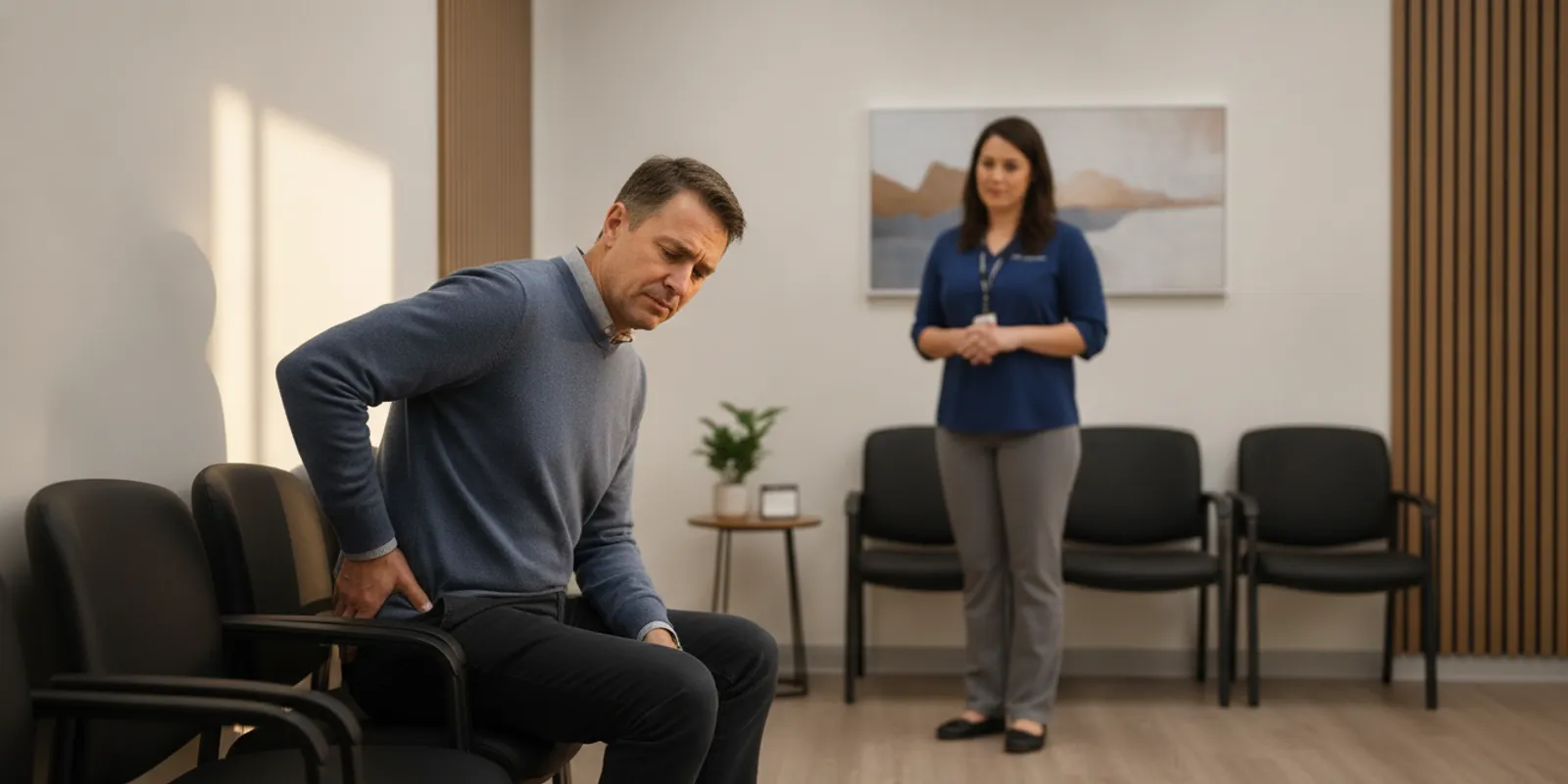
Spinal Stenosis Treatment: What an Evaluation May Consider

When walking, standing, or everyday movement becomes harder, a discussion about spinal stenosis treatment can feel complicated. Spinal stenosis describes narrowing in part of the spinal canal or the openings where spinal nerves pass. That narrowing may be associated with back or neck discomfort, leg or arm symptoms, numbness, tingling, heaviness, weakness, or reduced walking tolerance. Similar symptoms can have different causes, so an evaluation matters before deciding what care may be appropriate.
This guide is educational information, not a diagnosis or personal treatment plan. A qualified clinician must review your history, examination, imaging, medications, and overall health before making recommendations. The goal is to help you prepare for a useful conversation about function, safety, possible options, and follow-up.
What does spinal stenosis mean?
The spine is made of individual bones, discs, joints, ligaments, and openings that protect and accommodate the spinal cord and spinal nerves. With age and other changes, available space can become smaller in the neck or lower back. The location and degree of narrowing do not always predict how a person feels. Some people have narrowing visible on imaging but few or no symptoms. Others have limitations that deserve a closer review.
Spinal stenosis is often discussed in the cervical spine, which is the neck, or the lumbar spine, which is the lower back. Symptoms and safety considerations can differ between these areas. For example, leg symptoms related to the lower back may become more noticeable with standing or walking. Changes in the neck may affect the arms, hands, balance, or legs. These are broad patterns, not a way to identify the cause of your symptoms at home.
A useful appointment looks beyond a scan. A clinician may ask when symptoms began, whether they are changing, which activities affect them, whether strength or coordination has changed, and how sleep, work, exercise, and daily tasks are affected. The purpose is to connect history, physical findings, and imaging rather than treating a radiology phrase in isolation.
Why is an evaluation important before discussing care?
Back, leg, neck, and arm symptoms may overlap with several conditions. A person may have a nerve-related problem, a joint or disc issue, a circulation concern, a peripheral nerve condition, or more than one issue at the same time. A history and examination can help determine whether the pattern fits a spinal concern and whether another evaluation is needed.
An evaluation may identify factors that could change the safety or usefulness of a proposed plan. These can include prior surgery, osteoporosis, falls, blood-thinning medication, cancer history, infection risk, recent trauma, diabetes, other neurologic conditions, and heart or circulation concerns. Bring a current medication list, supplements, prior imaging reports, and information about previous treatments when possible.
Imaging can provide important information, but it is not the entire decision. X-rays may show alignment or motion under certain conditions. Magnetic resonance imaging can show soft tissues, discs, nerves, and the spinal canal. Computed tomography can provide detailed views of bone. The appropriate study depends on the question and the person's medical history. Ask what imaging shows, what it does not show, and how it relates to your symptoms.
For an overview of diagnosis and care considerations, see the National Institute of Arthritis and Musculoskeletal and Skin Diseases’ spinal stenosis guide. Patient education can help you form questions, but it cannot replace individualized medical advice.
If you want to prepare for a first conversation, you can contact Sigma Core Medical Center and bring a written description of activities that have become difficult. A consultation is a chance to discuss whether an evaluation is appropriate, not a promise that a particular procedure or outcome will be recommended.
What may an evaluation review?
Symptom location and pattern
Be specific about where you feel symptoms. Do they stay in the back or neck, or travel into a buttock, thigh, calf, foot, shoulder, arm, or hand? Is the sensation aching, burning, tingling, numbness, pressure, heaviness, or weakness? Does one side feel different from the other? These details can help a clinician decide which parts of the nervous and musculoskeletal systems need attention.
Describe what happens during ordinary activities. Note how long you can stand, how far you can walk, whether sitting changes the sensation, whether stairs are difficult, and whether you use a cart, cane, or railing. Do not change a prescribed medication or push through a dangerous symptom to collect information. A simple activity diary over several days may be enough.
Timing and progression
Tell the clinician when the problem began and whether it appeared suddenly or gradually. Mention any fall, lifting event, illness, procedure, or other event around the beginning. Also note whether symptoms are stable, intermittent, gradually more limiting, or changing quickly. Duration does not establish cause, but it can affect the questions an evaluator asks.
Describe good and difficult days without assuming that a better day means the concern is unimportant. Variation can be useful. Note whether sleep, activity, posture, or time of day seems to matter. Include symptoms that may not feel connected, such as changes in balance, hand dexterity, or bladder and bowel function.
Neurologic and movement findings
A physical examination may include observation of walking, balance, posture, range of motion, strength, sensation, and reflexes. The clinician may compare both sides and ask you to perform controlled movements. The purpose is to look for patterns that support or question a spinal source and identify findings needing a different level of evaluation.
Tell the clinician if you have noticed tripping, dropping objects, trouble with buttons, a change in handwriting, or difficulty coordinating your feet. These observations do not diagnose a condition, but they are important context. If a movement is painful or unsafe, say so rather than forcing it.
Daily function and personal goals
A plan should connect to what you want to do. Goals might include walking through a grocery store, standing to cook, returning to exercise, traveling, sleeping more comfortably, or managing household tasks. Someone hoping to return to hiking may need a different functional discussion from someone whose main goal is tolerating a short shopping trip.
Explain which activities you have stopped, modified, or handed to someone else. Share what you have tried and what happened: home exercises, formal rehabilitation, rest, heat or cold, medication, injections, a brace, walking aids, or other approaches. A thoughtful discussion considers possible benefits and limits rather than assuming that one option fits every person.
Health history and practical constraints
Your general health, previous operations, bone health, medication list, and other diagnoses may affect which options deserve discussion. So can transportation, time for appointments, caregiver support, work demands, and ability to follow a home program. These details help make a plan realistic and safer.
Tell the provider about allergies, prior reactions, implanted devices, recent infections, unexplained weight changes, fever, or a history of cancer. Ask whether medications or supplements need review before an evaluation or procedure. Do not stop anticoagulants, steroids, pain medicine, or other prescribed treatments without instructions from the clinician who manages them.
Which non-surgical care questions should you ask?
Many people want to know whether options exist to discuss before considering surgery. The answer depends on symptoms, examination, imaging, goals, and safety factors. Non-surgical care is not one treatment. It may involve education, activity changes, rehabilitation, medication review, and other clinician-directed approaches. Ask why each option is being considered and how it will be reviewed.
Could education and activity changes be part of the plan?
Education may include learning which positions or activities aggravate symptoms and how to modify them without becoming completely inactive. Some people benefit from pacing, alternating tasks, support during longer outings, or breaking a demanding activity into shorter periods. A clinician or therapist can help identify reasonable changes instead of relying on fear or guesswork.
Ask, “Which activities should I continue, modify, or pause for now?” Ask how to increase activity gradually and what signs mean you should stop and call. If walking is limited, discuss safe alternatives that match your ability and any balance or heart-related considerations. Do not assume that complete rest is always best, and do not assume that pushing through symptoms is always productive.
Could rehabilitation be appropriate?
A rehabilitation plan may focus on strength, mobility, balance, body mechanics, endurance, and confidence with movement. Its design should reflect your examination and goals. A generic list of exercises may not address what limits you, and an exercise reasonable for one person may be inappropriate for another.
Ask how the program will be adjusted if a movement increases symptoms and how progress will be measured. Useful measures may include walking duration, standing tolerance, stair ability, balance, or a daily task. Progress does not have to mean every symptom disappears. It can mean better function, more confidence, or fewer interruptions, depending on agreed goals.
Should medication be reviewed?
Medication decisions belong with a qualified prescriber who knows your health history. A review may consider current medicines, kidney and liver health, blood pressure, fall risk, stomach concerns, interactions, and whether a medication helps enough to justify its risks. Over-the-counter products can also matter and should be included in the list you bring.
Ask what a medicine is intended to do, how it should be taken, what side effects to watch for, and when to follow up. Do not combine products or increase a dose based only on online advice. If a medication causes confusion, unusual sleepiness, a fall, swelling, breathing trouble, or another concerning reaction, contact a clinician promptly or seek emergency help when appropriate.
Are injections or other procedures worth discussing?
Some patients ask about injections or office-based procedures. Whether one is appropriate depends on the suspected source of symptoms, examination, imaging, prior care, medications, and risks. Ask what structure is being targeted, the intended purpose, what rationale supports it for your situation, and what alternatives exist.
Also ask about preparation, recovery, possible complications, restrictions, and follow-up. Be cautious of any explanation that promises a guaranteed result, says one procedure is right for everyone, or discourages questions about risks. A responsible consultation should make room for uncertainty and shared decisions.
Could spinal decompression be discussed?
People use “spinal decompression” to describe more than one type of care. It may refer to surgical decompression in a hospital or non-surgical traction or decompression approaches offered in an outpatient setting. These are not interchangeable. Ask exactly what a provider means, who would provide it, what it involves, and whether it fits your evaluation findings.
At Sigma Core Medical Center, spinal decompression is identified as a planned service-line expansion rather than a basis for a guaranteed recommendation. If you ask about it, request a direct explanation of whether it is currently available, what an evaluation would include, and what other options may be appropriate. Do not assume a treatment labeled decompression can address every cause of back or leg symptoms.
How can you compare care options?
Comparing options is easier when you use the same questions for each one. A treatment may sound attractive because it is described as advanced, natural, gentle, or personalized. Those words do not replace a clear explanation of the concern, purpose, risks, and how progress will be reviewed.
- What problem is this intended to address? The answer should connect the option to your history, examination, and imaging rather than a broad promise.
- What would participation involve? Ask about appointment frequency, home activities, restrictions, transportation, and follow-up.
- What are the possible risks and alternatives? You should hear about reasonable alternatives, including monitoring or referral when appropriate.
- How will we judge whether it is helping? Agree on functional measures and a reassessment time, without assuming a result.
- What would change the plan? Ask what symptoms, examination findings, or lack of progress would lead to testing or referral.
- What does payment involve? Sigma Core Medical Center is a cash-pay practice. Ask the office about fees and payment expectations, and do not assume integrative services are covered by insurance.
Write down answers or bring someone to take notes. You may ask for time to consider a plan. If uncertain, a second opinion from an appropriately qualified clinician may be reasonable, especially when an invasive procedure is proposed or the explanation does not fit your experience.
How do symptoms affect everyday goals?
Spinal symptoms are not only numbers on a report. They can affect errands, exercise, sleep, work, travel, and independence. Describe the practical change in concrete terms. Instead of saying only that your back feels worse, explain that you can stand for 10 minutes instead of 30, need to sit after walking from the parking lot, or avoid carrying laundry upstairs.
Separate short-term goals from longer-term goals. A short-term goal might be learning to move safely during a flare or completing a basic home program consistently. A longer-term goal might be returning to recreation, traveling, or managing errands with less help. Not every goal will be realistic immediately, and goals may change as information develops. That is a reason for review, not a reason to abandon the conversation.
Tell the provider what support is available at home. A plan requiring daily exercises, frequent travel, or assistance with transportation may need to be adjusted to fit your circumstances. If caregiving or work responsibilities make a proposed schedule unrealistic, say so early. A workable plan is easier to evaluate than one that looks ideal on paper but cannot be followed.
Sleep, general conditioning, balance, and confidence can affect function as well. Discuss these factors without allowing them to obscure new weakness, numbness, or other concerning changes. A balanced evaluation can address physical findings and broader circumstances while still taking symptoms seriously.
How can you make symptom notes useful?
A short record is more useful than trying to remember every detail during an appointment. Choose a few ordinary activities that matter to you and record what happens in a consistent way. For example, note how long you can stand while preparing a meal, how far you can walk before needing to pause, or whether you can complete a familiar trip without changing your route.
Include the context around a difficult episode. Write down the activity, how long you did it, what you noticed, what you did next, and how long it took to feel closer to your usual baseline. If sitting or changing position seemed to help, note that too. Avoid repeatedly testing yourself to provoke symptoms, and stop an activity if continuing feels unsafe. The record is for discussion, not a challenge to push past limits.
Keep the notes brief enough to maintain. A few entries across several days can show whether a pattern is consistent or variable. If you use a phone, keep a simple note rather than tracking every sensation all day. Bring the record even if it seems incomplete; a partial, honest account is more useful than a polished guess.
Include symptoms that seem unrelated to the spine. Changes in balance, hand coordination, sleep, energy, or ability to manage usual responsibilities may help explain the overall effect on your life. Also note falls or near-falls, because they can affect safety decisions. If symptoms change suddenly or become severe, do not wait to finish the diary; seek appropriate medical guidance.
How should you understand an imaging report?
Radiology reports often use technical language that can sound alarming. Terms such as narrowing, degeneration, or disc changes describe findings; by themselves, they do not tell you which finding is responsible for a particular symptom or what treatment is appropriate. Ask the clinician to explain the report in plain language and identify which observations are relevant to your history and examination.
It can help to distinguish three things: what the image shows, what the examination suggests, and what remains uncertain. A scan may show narrowing at a particular level, while the examination and symptom pattern help the clinician judge whether that location could explain the issue. Sometimes the available information does not settle the question. The next step may be monitoring, further evaluation, or discussion with another professional.
Ask whether the report describes the neck, lower back, or another area, and whether the images available are adequate for the clinical question. Ask if comparison with earlier images is useful. Do not assume that a newer or more detailed scan is automatically needed; imaging decisions should be made by a qualified clinician who can weigh the question, history, and potential risks.
Take care not to let one phrase dictate your expectations. A report cannot measure every aspect of walking confidence, daily endurance, sleep, or personal priorities. Conversely, a reassuring phrase should not be used to dismiss symptoms that are worsening or concerning. The useful conversation connects the image with what you experience and what the examination finds.
What symptoms need prompt attention?
Most questions about chronic symptoms can be addressed through a scheduled evaluation, but some changes should not wait. Seek urgent medical attention for new or rapidly worsening weakness, inability to walk safely, loss of coordination, or severe symptoms after significant injury. New loss of bladder or bowel control, difficulty starting urination, or numbness in the groin or saddle area also warrants urgent evaluation.
Fever with severe spine pain, unexplained weight loss with concerning symptoms, a history of cancer with new neurologic changes, or severe pain that is rapidly escalating should be discussed promptly with a medical professional. Chest pain, severe shortness of breath, fainting, or other emergency symptoms require emergency services rather than a routine consultation.
These warning signs do not identify a specific condition. They explain why timing matters. If you are unsure whether a symptom is urgent, contact a medical professional or local emergency service for guidance.
How can you prepare for a consultation?
A little preparation can make a complex conversation more productive. Start with a one-page symptom summary: start date, location, impact, activities that worsen or ease it, changes over time, and the task you most want to regain or protect. Use your own words; you do not need a medical name for every sensation.
Bring or send the following when requested:
- A current list of prescription medicines, over-the-counter products, and supplements.
- Names and dates of prior treatments, procedures, therapy, or injections.
- Imaging reports and, when available, image files or instructions for obtaining them.
- Information about prior spine surgery, falls, injuries, infections, and major health conditions.
- A short list of questions about goals, risks, alternatives, follow-up, and payment.
Before agreeing to a program, ask for a clear explanation of what is included, what is optional, and what happens if the plan changes. Cash-pay care may involve expenses that insurance does not cover. Request written information about fees directly from the office, and keep financial decisions separate from assumptions about clinical benefit.
It can help to bring a family member or trusted friend, particularly if you have several medical concerns or feel overwhelmed in appointments. Ask whether another person may attend in person or by phone. Before leaving, repeat key next steps in your own words and confirm who to contact with questions.
When might referral or another opinion be appropriate?
A referral may be appropriate when symptoms are severe, progressing, difficult to explain, associated with concerning examination findings, or not responding as expected to an initial plan. Someone may also seek another opinion when surgery has been proposed, the diagnosis is uncertain, or risks and benefits have not been explained in a way they understand.
Referral does not mean a non-surgical option has failed or that surgery is inevitable. It means the question may benefit from another specialty, additional testing, or a higher level of assessment. Ask what the clinician is concerned about, what information the referral should clarify, and how care will be coordinated.
Likewise, choosing conservative care does not mean ignoring symptoms. It should include follow-up and a plan for what happens if function worsens or new findings appear. Ask when you should return and what changes should prompt an earlier call.
What does a whole-person discussion add?
Spinal symptoms do not exist separately from the rest of your life. Sleep, activity, stress, nutrition, balance, strength, work demands, and other health conditions can affect how a person functions. A whole-person conversation does not mean assigning every symptom to lifestyle or ignoring a structural concern. It means considering full context while taking symptoms seriously.
For an active adult, the goal may be preserving independence and participation rather than pursuing a perfect scan. That might mean building walking tolerance, improving confidence on stairs, maintaining strength, or finding safer ways to complete household tasks. Your priorities should be part of the plan from the start.
Ask whether the plan is temporary, ongoing, or adjusted at set checkpoints. Some care focuses on a specific period of rehabilitation; other care may involve maintenance habits or periodic review. Clarify who monitors progress and how communication works between visits. If several professionals are involved, ask who coordinates the plan and who answers questions about medications, exercises, procedures, or new symptoms.
A patient-centered conversation should leave you with more clarity, not pressure. You should understand the working concern, reasons for the proposed next step, alternatives, foreseeable risks, and follow-up plan. If important questions remain unanswered, say so. Dr. Nicholas Fleming, DC, directs Sigma Core Medical Center, and a consultation should clearly explain the provider’s role, the scope of any service discussed, and whether another clinician or specialist should be involved.
Frequently asked questions
Can imaging alone tell me whether I need spinal stenosis treatment?
No. Imaging can show narrowing or other structural changes, but a clinician must compare those findings with symptoms, examination, health history, and goals. Some findings are present without symptoms, while symptoms can require further evaluation even when an initial report seems limited. Ask how the findings relate to what you are experiencing.
Is non-surgical care appropriate for everyone?
No single approach is right for everyone. Non-surgical care may be discussed when examination and overall health make it reasonable, but the plan should be individualized and monitored. New or worsening neurologic findings, significant injury, or other warning signs may require prompt medical assessment rather than a routine exercise or office-based plan.
How long should I try a plan before reassessing?
There is no universal timeline. The right interval depends on the option, symptoms, safety factors, and functional goals set with the clinician. Ask when follow-up should occur, what improvement would look like, and what lack of progress or new symptom should change the plan. Do not wait for a scheduled visit if urgent warning signs develop.
What should I do if a treatment sounds too good to be true?
Ask for specifics. A trustworthy discussion should explain purpose, rationale, risks, alternatives, cost, and follow-up without guaranteeing an outcome. Be cautious of promises that a treatment works for everyone, replaces all other care, or produces a permanent result. You can request time to review information or seek another qualified opinion.
How do I start a conversation about my options?
Begin with your main functional concern, such as difficulty walking, standing, sleeping, exercising, or managing daily tasks. Bring your symptom timeline and medication list, then ask what the evaluation found, what options fit those findings, and how progress will be measured. A consultation can help determine whether the center’s current services are appropriate or whether another type of care should be considered.
Contact the center about an evaluation
The right spinal stenosis treatment discussion starts with careful evaluation, clear expectations, and a plan that respects your health, goals, and safety.