Hip Joint Pain Treatment: A Safe, Practical Guide

Persistent hip pain can limit more than your workouts. It can affect your confidence, sleep, balance, and ability to stay independent. Many adults try to push through the discomfort or rely on temporary remedies without knowing what is causing it. That approach may delay care and allow weakness or stiffness to develop. Effective treatment hip joint pain begins with identifying the source, whether it is osteoarthritis, bursitis, a tendon problem, an injury, or referred pain from the spine. From home strategies to advanced medical options, this guide covers how to reduce symptoms, improve function, and keep doing the activities that matter most.
Key Takeaways
- Find the true cause of your hip pain: Joint problems, tendon irritation, muscle injuries, spinal conditions, and nerve symptoms can feel similar, so an accurate evaluation should guide your care.
- Protect function with targeted conservative treatment: Modify painful activities, maintain gentle movement, build strength gradually, and use guided rehabilitation exercise or mobility aids when appropriate.
- Choose advanced care based on clear goals: Injections, regenerative treatments, or surgery may benefit selected patients after reviewing symptoms, imaging, overall health, and the activities you want to keep doing.
What Causes Hip Joint Pain?
Hip joint pain can begin inside the joint, in the muscles and tendons around it, or in another area that sends pain toward the hip. The location and pattern of discomfort can provide useful clues. Arthritis often causes deep groin pain and stiffness, while tendon or bursa problems may cause tenderness on the outside of the hip. Pain that travels from the lower back into the buttock, thigh, or leg may involve the spine or nearby nerves.
Age, previous injuries, activity level, bone health, body weight, and certain medical conditions can all affect the hips. Because several conditions can cause similar symptoms, a medical evaluation is often needed to identify the source. The American Academy of Orthopaedic Surgeons’ overview of hip osteoarthritis explains why changes seen on imaging do not always match the severity of a person’s symptoms.
Osteoarthritis and cartilage wear
Osteoarthritis is one of the most common causes of hip joint pain. It develops when the smooth cartilage covering the ends of the bones gradually wears down. This cartilage helps the ball of the thighbone move comfortably inside the hip socket. As it becomes thinner or rougher, the joint may become painful, stiff, and less mobile.
Hip osteoarthritis often causes aching in the groin, although discomfort can spread to the buttock, front of the thigh, or knee. Symptoms may worsen after walking, climbing stairs, standing for long periods, or getting up after sitting. Reduced mobility can make everyday tasks, such as putting on socks or getting in and out of a car, more difficult.
Age can contribute to cartilage changes, but severe hip pain is not an inevitable part of getting older. Previous injuries, hip structure, repetitive stress, and genetics may also play a role. The IBJI guide to hip pain relief describes how cartilage breakdown can lead to pain, stiffness, and reduced movement.
Bursitis, tendinopathy, and lateral hip pain
Pain on the outside of the hip often involves the soft tissues rather than the joint itself. A bursa is a small, fluid-filled sac that reduces friction as muscles and tendons move over bone. When it becomes irritated, the condition is often called bursitis. Lying on the affected side, climbing stairs, or walking uphill may make symptoms worse.
Tendinopathy affects the tendons that connect muscles to bone. Around the hip, it commonly involves the gluteal tendons, which help stabilize the pelvis during walking and standing. Irritation may follow a sudden increase in activity, repetitive loading, a change in exercise, or age-related changes in tendon tissue.
Lateral hip pain may feel sore, burning, or sharp. The area may be tender to touch, and discomfort can interfere with sleep. Bursitis and tendinopathy may occur together, so identifying the primary source matters. The IBJI explanation of bursitis and tendinopathy describes how irritation, overuse, injury, and tissue changes can affect the outer hip.
Labral tears and hip impingement
The labrum is a ring of tough cartilage around the edge of the hip socket. It helps deepen the socket and supports a smooth, stable connection between the thighbone and pelvis. A labral tear may develop after an injury, repeated twisting, structural differences in the hip, or gradual tissue changes.
Symptoms may include pain in the groin or front of the hip, along with clicking, catching, locking, or a feeling that the hip is giving way. Some people have a labral tear without significant symptoms. Others notice discomfort while sitting, pivoting, squatting, or participating in activities that require repeated hip rotation.
Hip impingement, also called femoroacetabular impingement, occurs when the ball and socket do not move freely against one another. Certain bone shapes can pinch the labrum or nearby cartilage during deep bending or rotation. Over time, this may contribute to tissue damage.
The IBJI guide to hip pain explains how impingement and labral injuries can affect movement between the ball and socket. A physical examination and appropriate imaging can help determine whether either condition is causing symptoms.
Muscle strains, injuries, and overuse
A muscle strain occurs when muscle fibers are stretched too far or develop small tears. Around the hip, strains can affect the groin muscles, hip flexors, hamstrings, or muscles that support the buttocks and pelvis. Common causes include sudden movements, falls, lifting, missed steps, or a rapid increase in exercise intensity.
Strain-related pain often starts suddenly and may feel sharp during the activity that caused it. Tenderness, swelling, bruising, weakness, and muscle spasms can follow. Mild strains may improve with relative rest and gradual movement, while more serious injuries may make walking difficult or painful.
Overuse can also cause hip pain without one obvious injury. Repeated walking, running, climbing, or strength training may place more demand on the tissues than they can currently tolerate. This is more likely when activity increases quickly or weakness in the hips, core, or legs changes movement patterns.
The IBJI discussion of hip strains identifies groin pulls and hamstring strains as common results of overuse or sudden movement. Persistent pain, significant weakness, or difficulty bearing weight should be evaluated rather than ignored.
Referred pain from the spine or nerves
Not all pain felt near the hip begins in the hip. The lower back, sacroiliac region, and nearby nerves can send pain into the buttock, outer hip, thigh, or leg. A herniated disc, spinal arthritis, spinal stenosis, or sciatica may create symptoms that feel as though they are coming from the hip.
Nerve-related pain is often described as burning, electric, shooting, or tingling. Numbness or weakness may occur as well. Symptoms that change with sitting, bending, coughing, walking, or standing may suggest involvement of the spine or nerves rather than the hip joint.
A person can have both hip and spine conditions at the same time, especially after years of wear, previous injuries, or changes in movement. An evaluation may therefore include the lower back and a neurological examination when symptoms suggest nerve involvement.
The University of Chicago Medicine’s hip care information explains how conditions such as a herniated disc and sciatica can cause discomfort in the hip area. Identifying the true source helps guide the right treatment.
Fractures, inflammatory disease, and infection
A hip fracture can cause sudden, severe pain and may occur after a fall or direct impact. In older adults, weakened bones can fracture after a relatively minor fall. Stress fractures may develop gradually through repetitive loading and initially feel like a deep ache. Pain with weight-bearing, sudden loss of mobility, or a leg that appears shortened or turned outward requires urgent medical attention.
Inflammatory conditions, including rheumatoid arthritis, can affect the hip and other joints. They may cause pain, stiffness, warmth, or swelling. Prolonged morning stiffness, fatigue, or symptoms in several joints may suggest a broader inflammatory condition that requires medical evaluation.
Infection inside or around the hip joint is uncommon but serious. Severe pain accompanied by fever, chills, redness, warmth, swelling, or feeling acutely unwell should be assessed promptly. Infection can occur after surgery, an injection, or an injury, or when bacteria spread through the bloodstream.
The University of Chicago Medicine’s overview of hip conditions lists fractures, rheumatoid arthritis, and infection among potential causes of hip pain. These conditions need timely care because delayed treatment can affect mobility and overall health.
How Do Doctors Diagnose Hip Joint Pain?
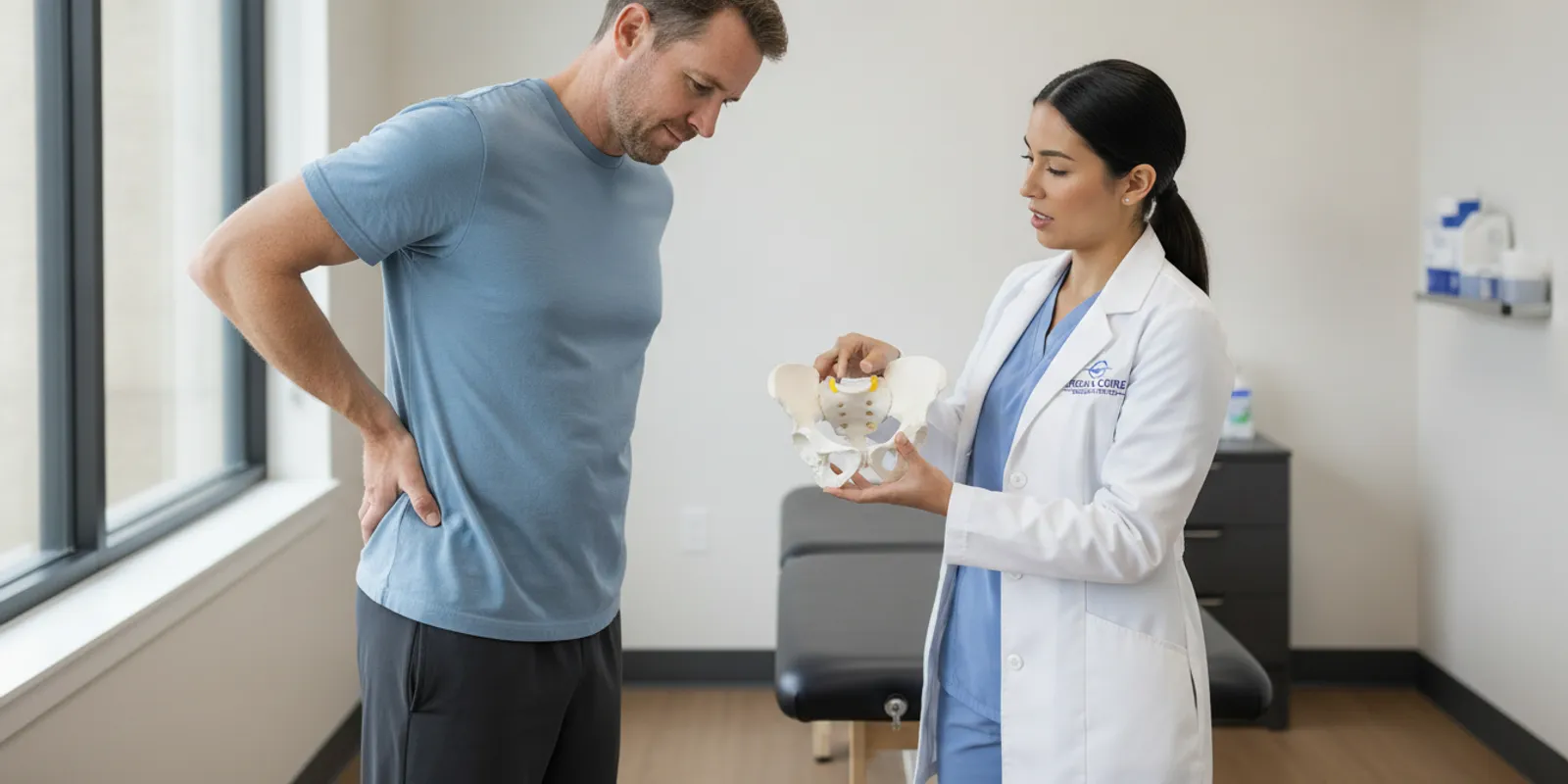
Diagnosing hip joint pain starts with a conversation and physical examination, not an imaging scan alone. Pain may come from the hip joint, nearby muscles and tendons, the lower back, or irritated nerves. Your doctor looks at the full pattern of your symptoms, how your hip moves, and how pain affects your daily activities before recommending treatment.
A thorough evaluation can also identify problems that need prompt attention, including a fracture, infection, or significant nerve involvement. The American Academy of Orthopaedic Surgeons explains how medical history, physical examination, and imaging work together when doctors assess hip conditions.
Assessing pain, timing, and movement
Your doctor will ask where you feel pain, when it began, and how it feels. Pain in the groin often points toward the hip joint, while soreness over the outside of the hip may involve nearby tendons or bursae. Pain in the buttock or back of the thigh can sometimes come from the spine or nerves.
You may also discuss whether symptoms occur while walking, climbing stairs, standing, sitting, or sleeping. Tell your doctor if the pain started after a fall, a new exercise routine, or another injury. These details help distinguish sudden tissue damage from gradual joint changes. The IBJI guide to hip pain covers why pain location, timing, and quality matter during diagnosis.
Reviewing your medical history and examining your hip
Your medical history gives your doctor essential context. Be ready to discuss previous hip, back, or leg injuries, surgeries, arthritis, osteoporosis, inflammatory conditions, and other health concerns. Your provider may also ask about medications, activity levels, recent exercise changes, and the effect of pain on sleep, work, walking, and personal care.
During the examination, the doctor may check for tenderness, swelling, posture changes, or differences in leg length. They may move your hip through several positions to identify stiffness or pain. Bring a medication list and copies of previous imaging reports if you have them. This information can make the appointment more focused and prevent unnecessary repeat testing.
Testing strength, flexibility, gait, and balance
Your doctor may watch you walk across the room to assess your stride, posture, and ability to place weight on the affected side. You might also stand on one leg or perform simple movements that show weakness, instability, or difficulty controlling your pelvis.
The examination can include strength tests for the hip, thigh, and core muscles. Your provider may compare both sides and measure flexibility and range of motion. Pain with hip flexion, limited rotation, or weakness around the gluteal muscles can provide useful clues, although no single test confirms every diagnosis. UChicago Medicine describes how clinicians assess walking, strength, flexibility, and hip function.
Using X-rays, MRI, ultrasound, or lab tests when needed
Your doctor may recommend imaging when the examination suggests a structural problem, symptoms continue, or the cause remains unclear. X-rays can show bone changes, joint-space narrowing, alignment problems, fractures, and signs of osteoarthritis. They are often the first imaging test for persistent hip pain.
An MRI provides a closer look at cartilage, labral tissue, tendons, muscles, and bone marrow. Ultrasound may help assess certain tendons, bursae, and fluid-filled areas, and it can guide some injections. A CT scan may be useful when a detailed view of bone is needed. Blood tests can help investigate infection or inflammatory disease when fever, warmth, swelling, or unexplained fatigue is present. The RadiologyInfo overview of hip imaging explains how different scans are used.
Separating joint pain from back and nerve pain
Not all pain near the hip comes from the hip joint. A pinched nerve or spinal condition may send sharp, burning, or electric-like pain into the buttock, thigh, or leg. Nerve-related symptoms can also include tingling, numbness, weakness, or changes in reflexes.
Your doctor may examine your lower back, sensation, muscle strength, and reflexes during the evaluation. They may ask whether coughing, sitting, bending, or moving your back changes the pain. This distinction matters because treatment for a spinal or nerve condition differs from care for arthritis, bursitis, or a labral problem. UChicago Medicine notes that spine and nerve disorders can mimic hip pain.
Matching the diagnosis to severity and activity goals
A diagnosis should explain more than what appears on an image. Some people have arthritis or labral changes on a scan without major symptoms, while others have significant pain despite modest imaging findings. Your doctor considers the complete picture, including pain levels, stiffness, walking ability, sleep, strength, and the activities you want to continue.
Your health, previous treatment, and personal goals also shape the care plan. Someone who wants to walk comfortably may need a different approach from someone hoping to return to hiking, golf, cycling, or strength training. Your provider may suggest rehabilitation exercises, activity changes, medication, or further testing before discussing more invasive treatment. Specific goals give you and your care team practical ways to measure progress.
When Should You Seek Care for Hip Joint Pain?
Hip pain does not always require urgent treatment. A mild ache after unfamiliar exercise may settle with relative rest, activity changes, and basic home care. However, pain after a fall, sudden loss of movement, fever, or new weakness needs prompt attention.
Pay attention to how symptoms affect your ability to stand, walk, sleep, and manage everyday tasks. The Cleveland Clinic’s guidance on hip pain can help you recognize warning signs. A medical evaluation can also determine whether the problem comes from the hip joint, surrounding muscles and tendons, the spine, or nearby nerves.
Seek emergency care after a fall or when you cannot bear weight
Go to an emergency department or call emergency services after a serious fall, car accident, or other high-impact injury, especially if you suspect a broken bone. Immediate care is also necessary if you cannot stand or put weight on the affected leg, cannot move your hip or leg, or notice an unusual shape or position.
Avoid trying to walk after a significant injury. Keep movement to a minimum and ask someone to help you get care. Older adults can experience a hip fracture after a relatively minor fall, particularly when bone density is low. The Cleveland Clinic explains signs of serious hip injuries, including an inability to bear weight or move the hip normally.
Watch for fever, redness, warmth, swelling, or sudden severe pain
Contact a medical professional promptly if hip pain occurs with fever, chills, redness, warmth, or visible swelling. These symptoms may point to an infection or significant inflammation, which requires timely assessment. Sudden, severe pain without an obvious injury also deserves prompt attention.
Do not depend on home treatment if symptoms are rapidly worsening or swelling continues despite rest. A clinician may examine your hip, order imaging, or request blood tests to identify the cause. IBJI’s hip pain guide recommends medical care when pain is constant, severe, or associated with swelling, redness, or warmth.
Report numbness, weakness, or bladder and bowel changes
New numbness, tingling, or weakness in your leg can indicate nerve involvement rather than a problem limited to the hip joint. Tell a clinician if your leg gives way, your foot feels unusually weak, or you have trouble lifting the front of your foot while walking.
Seek emergency care for sudden bladder or bowel changes, numbness around the groin or inner thighs, or rapidly worsening weakness, especially when these symptoms occur with back or hip pain. They may signal serious nerve compression and should not wait for a routine appointment. UChicago Medicine describes warning signs that call for prompt evaluation, including difficulty bearing weight or moving the hip and leg.
Seek care when pain disrupts walking, sleep, or daily activities
Arrange an evaluation when hip pain makes it difficult to walk, climb stairs, get dressed, drive, or complete household tasks. Pain that repeatedly wakes you or prevents you from finding a comfortable sleeping position also deserves attention. These changes suggest that the problem is affecting your function, not just causing temporary soreness.
Before your appointment, note when the pain began, which movements trigger it, and whether rest, ice, heat, or over-the-counter medication helps. This information can help your clinician decide whether you need rehabilitation exercises, medication, imaging, an injection, or another treatment. The Cleveland Clinic recommends medical care when hip pain affects daily activities or does not improve with basic measures.
Address night pain, rest pain, or worsening symptoms
Pain that continues while you rest, becomes worse at night, or steadily increases should not automatically be dismissed as normal aging. Seek an evaluation if symptoms last more than a few days without improvement, particularly after an injury or if you have arthritis, osteoporosis, cancer, or a condition that affects your immune system.
While waiting for care, track your pain level, sleep disruption, walking tolerance, and any new symptoms. Seek faster attention if rest pain becomes severe, swelling develops, or you lose strength or movement. IBJI advises medical assessment for constant or severe pain and symptoms that do not improve with rest. Early evaluation can clarify the cause and help you protect your mobility.
What Can You Do at Home for Mild to Moderate Hip Joint Pain?
Mild to moderate hip pain may improve with a combination of activity changes, gentle movement, supportive positioning, and short-term symptom relief. The best approach depends on the cause. A sore hip after increasing your walking routine may need temporary rest, while osteoarthritis-related stiffness often responds better to regular, low-impact movement.
Home care should help you stay as active as possible without repeatedly irritating the joint. Use pain as a guide. If an exercise or activity causes sharp, escalating, or unfamiliar pain, reduce the intensity, shorten the session, or stop. A mild stretch or manageable ache may be acceptable, but symptoms should not steadily worsen during the day or the following morning.
These strategies can support temporary relief, but they do not replace a medical evaluation when hip pain persists or interferes with daily life. Seek prompt care after a fall if you cannot bear weight, or if you develop fever, redness, significant swelling, numbness, or weakness. The Cleveland Clinic guide to hip pain explains why treatment should reflect the cause and severity of your symptoms.
Rest relatively and modify activities
Relative rest means reducing activities that aggravate your hip without becoming completely inactive. You might pause running, deep squats, steep hikes, or repeated stair climbing while continuing short, comfortable walks. Spending all day in bed or on the sofa can increase stiffness and make it harder to regain strength.
Pay attention to your triggers. If sitting for a long time increases discomfort, stand and move gently every 30 to 60 minutes. If walking hurts, reduce your distance, choose level ground, and take more frequent breaks. Avoid movements that cause sharp pain, catching, or a noticeable limp.
As symptoms settle, return to normal activity gradually. Increase either your duration or intensity, rather than both at once. The Mayo Clinic overview of hip pain offers helpful information about common causes and symptoms that require medical attention.
Use ice, heat, positioning, and comfortable sleep support
Ice may help during the first day or two after an injury, especially when the hip feels swollen, tender, or irritated. Wrap an ice pack in a thin towel and apply it for about 15 to 20 minutes. Never place ice directly on your skin, and stop if the area becomes numb or painful.
Heat may be more helpful for stiffness and muscle tightness. Try a warm shower, bath, or heating pad before gentle movement. Use a comfortable temperature, and do not fall asleep with a heating pad in place.
Your sleep position can also affect symptoms. If you sleep on your side, place a pillow between your knees. If you sleep on your back, try placing a pillow under your knees. Change positions if they increase your pain. The NHS guidance on hip pain includes practical advice about rest, movement, and symptom monitoring.
Practice gentle, pain-free mobility exercises
Gentle mobility exercises can prevent the hip from becoming stiffer while you recover. Start with a few slow movements, such as ankle pumps, pelvic tilts, or small knee rolls while lying on your back. You can also hold a sturdy chair and move the affected leg forward, backward, and slightly out to the side.
Stay within a comfortable range. A mild stretch or feeling of stiffness may be acceptable, but stop if you notice sharp pain, pinching, tingling, or symptoms traveling down the leg. Move slowly and avoid bouncing.
Try a few repetitions once or twice a day. Then assess how your hip feels later that day and the next morning. If symptoms consistently worsen, reduce the range of motion or stop the exercise. The American Academy of Orthopaedic Surgeons hip conditioning program provides examples of controlled exercises.
Try glute bridges and clamshells when appropriate
Glute bridges and clamshells can strengthen muscles that support the pelvis and hip, but they are not suitable for every type of hip pain. Begin only if you can perform them without sharp pain, increased groin pressure, or worse symptoms afterward.
For a bridge, lie on your back with your knees bent and feet flat. Tighten your abdominal and glute muscles, then slowly lift your hips a small distance. Pause briefly and lower with control. For a clamshell, lie on your side with your knees bent and feet together. Keep your pelvis steady as you lift the top knee without rolling backward.
Start with a small number of repetitions. Focus on smooth control rather than lifting higher. If either exercise causes pain, choose an easier movement and ask your clinician for personalized instruction. The Mayo Clinic hip exercise guide offers additional examples.
Stretch with figure-four, knee-to-chest, and hip-flexor exercises
Stretching may help when tight glute, hip, or thigh muscles contribute to discomfort. For a figure-four stretch, lie on your back, cross one ankle over the opposite thigh, and gently draw the supporting leg toward you. You should feel the stretch in your buttock, not sharp pain in your groin.
For a knee-to-chest stretch, bring one knee toward your chest while keeping the other leg comfortable. A hip-flexor stretch can be performed in a half-kneeling position, with one knee on a padded surface and the other foot in front. Keep your back upright and shift your weight forward gently.
Hold each stretch for about 15 to 30 seconds while breathing normally. Do not force the range or bounce. Stop if you feel catching, pinching, numbness, or worsening pain.
Choose low-impact activities such as walking, cycling, or swimming
Low-impact exercise can help you maintain strength and cardiovascular fitness while placing less stress on the hip than running or jumping. Walking on level ground, stationary cycling, water exercise, and swimming are common options. Begin with a short session and let your symptoms guide the pace.
Cycling should feel smooth and should not force your hip into a deep bend. Raise the seat if needed, and stop if you develop groin pain or pinching. In a pool, water walking may be more comfortable than swimming if kicking aggravates the joint.
Monitor how you feel during activity and over the next 24 hours. If pain or stiffness is clearly worse the following day, reduce the duration or intensity. UChicago Medicine’s hip pain guidance also discusses lower-impact activities that may be easier on painful joints.
Use over-the-counter pain relief safely
Over-the-counter medication may provide short-term relief, but it is not appropriate for everyone. Nonsteroidal anti-inflammatory drugs, including ibuprofen and naproxen, can cause stomach bleeding and may affect kidney function, blood pressure, or heart health. They can also interact with blood thinners and other medicines.
Acetaminophen may be an option for some people, but taking too much can harm the liver. It may also be included in combination products, so read each label carefully. Follow the recommended dose and avoid taking multiple pain medicines without first speaking with a pharmacist or clinician.
Ask for medical advice before using these medicines if you have kidney disease, liver disease, ulcers, heart disease, or high blood pressure. The FDA’s guidance on over-the-counter pain relievers explains how to read labels and reduce medication risks.
Manage weight and eat an anti-inflammatory diet
If you carry excess weight, gradual weight loss may reduce the mechanical load placed on your hip during standing and walking. Avoid extreme diets. A sustainable plan usually includes adequate protein, vegetables, fruit, whole grains, beans, and healthy fats, along with regular movement that your hip can tolerate.
An anti-inflammatory eating pattern may support overall health, but it cannot repair damaged cartilage or cure a structural hip problem. Oily fish, nuts, olive oil, vegetables, and berries can fit into a balanced diet. Limiting highly processed foods, sugary drinks, and excess alcohol may also support energy and metabolic health.
If pain limits exercise or weight changes feel difficult, ask your medical team for a personalized plan. A registered dietitian can account for medications, diabetes, digestive concerns, and other conditions. The Arthritis Foundation nutrition guidance offers practical ideas for a joint-supportive eating pattern.
Use canes, supportive footwear, and other daily aids
A cane can reduce the load on a painful hip and improve confidence while walking. Hold the cane in the hand opposite the painful hip, unless a clinician gives you different instructions. Adjust the height so your elbow remains slightly bent when the cane tip rests on the floor.
Supportive shoes with a stable sole may also make walking more comfortable. Replace worn footwear, and avoid shoes that feel unstable or force your foot into an uncomfortable position. At home, remove loose rugs, improve lighting, and keep walkways clear to reduce fall risk.
If you are limping significantly or feel unsteady, a walker may provide more support than a cane. Mobility aids must fit properly, since incorrect use can strain your wrist, shoulder, back, or other hip. A qualified clinician can assess your gait and recommend the right device.
Know when to stop home treatment and seek care
Home care may be reasonable when symptoms are mild and gradually improving. Arrange an evaluation if pain lasts more than a few days without improvement, returns repeatedly, or begins affecting sleep, walking, work, or personal care. Ongoing pain may reflect osteoarthritis, a tendon injury, nerve irritation, or another condition that needs targeted treatment.
Seek urgent care after a fall if you cannot bear weight or if the hip looks deformed. Fever, redness, warmth, sudden swelling, severe pain, new numbness, or weakness also require prompt medical attention. New bladder or bowel changes alongside back, hip, or leg symptoms require emergency evaluation.
Do not rely on home exercises when symptoms are worsening or every movement causes significant pain. A clinician can examine your hip, spine, and nerves, then determine whether imaging or other testing is needed. The Cleveland Clinic warning signs for hip pain can help you recognize when self-care is no longer enough.
How Do Doctors Treat Hip Joint Pain?
Doctors treat hip pain based on its cause, severity, duration, and effect on your daily life. A mild muscle strain may improve with activity changes and guided exercise, while osteoarthritis, a labral tear, nerve irritation, or a fracture may require more specialized care. Treatment can include rehabilitation exercise, medication, injections, assistive devices, or surgery.
Your evaluation may include questions about where the pain occurs, when it started, and which movements make it better or worse. Your doctor may also assess your strength, flexibility, walking pattern, balance, and hip range of motion. Imaging, such as an X-ray, MRI, or ultrasound, may help identify joint damage, tendon problems, or other conditions. As the Cleveland Clinic explains, treatment often begins with conservative care unless symptoms suggest a serious injury or urgent condition.
The goal is not simply to reduce pain. A complete treatment plan should help you walk more comfortably, sleep better, maintain strength, and return to activities that matter to you. Your overall health, medications, bone health, fitness level, and preferences all help shape the recommendations.
Treat acute strains and overuse injuries
Mild hip strains and overuse injuries often improve when you reduce the activity that caused them. Your doctor may recommend relative rest, which means staying gently active while avoiding running, heavy lifting, deep squats, or other painful movements. Ice during the first day or two may help reduce soreness and swelling. Short-term over-the-counter pain medicine may also help, if it is safe for you.
As symptoms improve, guided rehabilitation exercise can help restore strength, flexibility, and movement control. Your clinician may help you gradually increase walking, exercise, or sports activity so you do not return too quickly and irritate the tissue again. Persistent bruising, weakness, worsening pain, or difficulty bearing weight should be evaluated. The RICE method may help after some minor injuries, but it is not a substitute for medical care when symptoms are severe.
Manage osteoarthritis and gradual joint degeneration
Hip osteoarthritis develops as cartilage and other joint tissues change over time. Treatment usually begins with measures that reduce pain while preserving strength and mobility. These may include rehabilitation exercises, low-impact exercise, weight management when appropriate, activity modification, and medication. A doctor may recommend acetaminophen or an anti-inflammatory medicine, but these options are not suitable for everyone.
Before taking medication regularly, review your health history with a clinician. Kidney disease, stomach ulcers, blood-thinning medication, heart disease, and other conditions can affect which pain relievers are appropriate. If symptoms continue, an injection may provide temporary relief in selected cases. Surgery may be considered when pain and stiffness remain severe despite other treatment and interfere with walking, sleep, or daily activities, as described in the Cleveland Clinic’s hip pain guidance.
Treat bursitis and gluteal tendinopathy
Bursitis and gluteal tendinopathy often cause pain on the outside of the hip. Symptoms may worsen when you lie on the affected side, climb stairs, stand on one leg, or walk for long periods. Treatment typically begins by reducing pressure and irritation. You may need to change your exercise routine, avoid side-lying on the painful hip, use ice, or adjust your sleeping position.
Targeted rehabilitation exercises can strengthen the gluteal muscles and improve pelvic control during walking and other activities. A clinician may also review your footwear, posture, training volume, and movement patterns. Anti-inflammatory medication or an injection may be appropriate in some cases, although repeated injections are not suitable for everyone. IBJI’s hip pain guide describes rest, ice, and pain medicine as common options for trochanteric bursitis. Ongoing symptoms may require a closer look to confirm the diagnosis.
Address labral tears and hip impingement
A labral tear affects the ring of cartilage that helps stabilize the hip socket. Hip impingement occurs when the bones do not move smoothly together, which can irritate the labrum and other joint tissues. You may notice groin pain, clicking, catching, stiffness, or discomfort when sitting, pivoting, or bringing your knee toward your chest.
Doctors often begin with activity changes, medication when appropriate, and rehabilitation exercises. This guided exercise may focus on strengthening the hip and trunk while reducing positions that cause pinching. If symptoms continue and imaging supports a structural problem, a specialist may discuss hip arthroscopy. This minimally invasive procedure uses small incisions, a camera, and specialized instruments to treat certain labral, cartilage, and impingement problems. UChicago Medicine’s hip care information explains when arthroscopy may be considered after nonsurgical care has not provided enough relief.
Treat referred pain from the spine or nerves
Not every ache felt near the hip comes from the hip joint. Irritation in the lower back, spinal stenosis, or a pinched nerve can send pain into the buttock, outer hip, thigh, or leg. Nerve-related symptoms may include burning, tingling, numbness, electric-shock sensations, or weakness. Back pain, symptoms that change with sitting, or pain that travels below the knee may also suggest a spinal source.
Treatment depends on the underlying condition. A doctor may recommend rehabilitation exercises for the back and core, posture and activity changes, medication, or additional imaging. Some patients may need care from a spine specialist, neurologist, or pain physician. UChicago Medicine notes that spine disease and pinched nerves can cause shooting pain in the leg, buttocks, or thigh. Identifying the source helps prevent unnecessary hip treatment and directs care toward the tissue causing the symptoms.
Address fractures, infection, and other urgent conditions
A suspected hip fracture requires immediate medical attention, especially after a fall or in an older adult with osteoporosis. Severe pain, an inability to stand or bear weight, a shortened or rotated leg, or an inability to move the hip may indicate a fracture. These injuries often require surgery and prompt rehabilitation. Do not try to walk on a painful hip after a significant fall.
Infection can also cause urgent hip pain. Seek prompt evaluation for fever, chills, redness, warmth, swelling, or sudden severe pain. Inflammatory conditions, problems with blood supply to the joint, and certain tumors are less common but still require timely diagnosis. The Cleveland Clinic recommends immediate care when you cannot move your hip or leg or suspect a broken bone. New weakness, significant numbness, or bladder and bowel changes also warrant urgent medical attention.
Match treatment to pain, function, imaging, and goals
A scan alone does not determine the best treatment. Some people have arthritis or labral changes on imaging but little pain, while others have significant symptoms with modest findings. Your doctor will compare the imaging with the location of your pain, the movements that trigger it, your walking pattern, and the effect on sleep, exercise, and daily tasks.
Your goals matter, too. Someone who wants to walk comfortably may need a different rehabilitation plan from someone who wants to hike, play tennis, or return to strength training. Doctors often begin with the least invasive option that fits your condition, then reassess your progress. Measures may include pain, range of motion, strength, walking tolerance, balance, and daily function. IBJI recommends reviewing the location, timing, and quality of pain, along with examination findings and imaging, before selecting treatment. This keeps care focused on meaningful improvements rather than a scan or diagnosis alone.
What Non-Surgical Treatments Can Relieve Hip Joint Pain?
Many causes of hip pain respond to non-surgical care, especially when treatment addresses the source of the problem instead of focusing only on symptoms. Depending on your diagnosis, a care plan may include rehabilitation exercises, medication, activity changes, temporary walking support, or complementary therapies. You can read about Sigma Core's approach to non-surgical pain relief. Arthritis, bursitis, tendon injuries, labral problems, and pain referred from the spine may each require a different approach.
The main goals are to reduce pain, preserve joint motion, improve strength and balance, and help you stay independent. Your age, general health, activity level, and recovery goals should all shape your treatment plan. The Cleveland Clinic’s guidance on hip pain outlines several non-surgical options, including exercise-based rehabilitation, medication, weight management, and injections.
Use rehabilitation exercises to build strength, mobility, and stability
Guided rehabilitation can help you regain control of how your hip moves. Your clinician may assess hip strength, flexibility, walking pattern, balance, and the way your pelvis and spine affect your symptoms. This evaluation helps create an exercise plan that matches your current abilities rather than forcing you into movements your hip is not ready to handle.
Exercises may focus on the gluteal muscles, core, thighs, and other structures that support the hip. Stronger supporting muscles can make activities such as standing from a chair, climbing stairs, and walking feel steadier. Stretching and joint mobility work may also reduce stiffness and preserve movement, particularly when arthritis or structural changes are involved. The UChicago Medicine overview of hip care explains how exercise-based rehabilitation can build supporting muscles, improve flexibility, and preserve motion.
Progress loading and retrain movement
Complete rest may calm an irritated hip, but too much inactivity can lead to additional weakness and stiffness. A guided rehabilitation plan can help you find an appropriate level of activity, then gradually increase the load as your pain, strength, and function improve. Your program may begin with supported movements and progress to resistance exercises, balance work, stairs, or activities related to your favorite sport.
Movement retraining can also reduce unnecessary stress on the hip. A limp, poor pelvic control, limited ankle mobility, or weakness elsewhere in the leg may change how force moves through your body. Your clinician can teach you safer ways to walk, bend, lift, climb stairs, and return to exercise. Mild muscle fatigue may be normal, but sharp pain, increasing limping, or symptoms that remain worse the next day may indicate that your program needs adjustment.
Use prescription and over-the-counter pain medications
Medication may make it easier to sleep, walk, and participate in rehabilitation exercises, but it should support recovery rather than replace an evaluation. Common over-the-counter options include nonsteroidal anti-inflammatory drugs, such as ibuprofen and naproxen, as well as acetaminophen. These medications are not suitable for everyone, particularly people with kidney disease, stomach ulcers, liver disease, heart conditions, bleeding concerns, or certain medication combinations.
Follow the product label or your clinician’s instructions. Do not use over-the-counter pain medicine for more than 10 consecutive days without speaking with a healthcare provider, as Cleveland Clinic recommends. Ask about medication interactions if you take blood thinners or other daily prescriptions. A clinician may consider prescription medication for more severe pain, but the benefits, side effects, and appropriate duration should be reviewed carefully.
Use canes, walkers, or other temporary supports
A cane or walker can reduce pressure on a painful hip and provide extra stability while you recover. This support may be useful if pain has changed your walking pattern, your balance is limited, or you feel unsteady after an injury. Using a mobility aid temporarily can help you remain active without asking the hip to handle more force than it can tolerate.
Proper fit and technique matter. A cane is usually held on the side opposite the painful hip, while a walker should allow you to stand upright without leaning heavily into it. A qualified clinician can adjust the device and show you how to use it on stairs, curbs, and uneven ground. The Cleveland Clinic’s hip pain guidance recommends considering a cane or walker when walking is difficult or the risk of falling is high.
Adjust sleep, activity, and weight-related habits
Small changes to your daily routine may reduce hip irritation without requiring you to stop moving. Alternate demanding activities with easier ones, and avoid repeated deep bending, twisting, or pivoting if those motions trigger pain. Low-impact options, such as walking, cycling, swimming, and water exercise, may help you maintain conditioning with less stress on the joint.
Sleep positioning can also make a difference. If you sleep on your side, try avoiding the painful side and place a pillow between your knees to support your hips. Weight management may be another part of your care plan. Even modest weight loss can reduce the load placed on the hips during walking and stairs. The IBJI guide to hip pain relief notes that losing even a small amount of weight may reduce pressure on the hip joints.
Add acupuncture and massage as complementary therapies
Massage, acupuncture, and other hands-on treatments may provide short-term relief for some people. They may be especially helpful when muscle tension or sensitivity in the tissues around the hip contributes to discomfort. Massage can relax tight muscles in the hip, buttocks, and thigh, while acupuncture may be included in a broader plan for managing pain.
These therapies work best as complements to diagnosis, exercise, and other recommended care. They should not delay an evaluation for severe or worsening symptoms. Before treatment, tell the practitioner about blood thinners, bleeding disorders, diabetes, skin infections, recent procedures, or other health concerns. It is also helpful to ask how the therapy will fit with your rehabilitation plan and activity goals. UChicago Medicine includes massage and acupuncture among manual therapies that may provide relief.
Understand what non-surgical care can and cannot do
Non-surgical care can reduce pain, improve movement, and help you remain active. It may be effective for mild to moderate arthritis, bursitis, tendon problems, muscle strains, and some cases of pain referred from the spine. It can also help control symptoms while your clinician monitors a condition over time.
However, non-surgical treatment cannot repair every structural problem or reverse advanced joint damage. Persistent pain, worsening weakness, repeated falls, an inability to bear weight, or symptoms that interfere with sleep and daily activities require further assessment. If a consistent treatment plan has not improved your function, ask whether the diagnosis or approach should be reconsidered. As UChicago Medicine explains, many hip problems can be treated without surgery, but care should be matched to the specific condition and your goals.
When Can Injections and Regenerative Care Help Hip Joint Pain?
Injections and regenerative care may help some people with hip joint pain when symptoms interfere with walking, sleep, exercise, or rehabilitation. These treatments are not a replacement for diagnosis. Hip pain may come from the joint, surrounding tendons, bursae, muscles, lower back, or nerves, and each source requires a different approach.
A clinician may recommend an injection when rest, activity changes, exercise, or medication have not provided enough relief. In some cases, an injection can also help determine whether the hip joint is the primary source of pain. Your care plan should consider your diagnosis, imaging results, age, activity level, medications, overall health, and personal goals. Someone who wants to return to golf may need a different plan from someone who mainly wants to walk comfortably or climb stairs.
Injections may reduce pain enough to help you participate in rehabilitation exercises and rebuild strength. However, relief can be temporary, and no injection works for every condition. A careful evaluation, such as the one described in this overview of hip pain diagnosis and treatment, can help determine whether an injection or regenerative treatment makes sense for you.
Use image-guided injections when appropriate
The hip joint sits deep beneath muscles and other soft tissues, so accurate needle placement can be challenging. When precision is important, a physician may use ultrasound or fluoroscopy to guide the injection. This approach can help target the hip joint, a bursa, or another specific area while limiting contact with nearby tissues.
Image guidance may be useful when the source of pain is uncertain or when the injection serves a diagnostic purpose. If numbing medication temporarily relieves your familiar pain, that may suggest the hip joint is involved. It does not identify every cause, so your clinician will interpret the result alongside your physical examination and imaging. You can learn more about image-guided hip injections before discussing this option with your provider.
Use corticosteroid injections for short-term inflammation relief
Corticosteroid injections, often called cortisone injections, may reduce inflammation and pain in selected conditions. A clinician may consider one for bursitis, arthritis-related irritation, or another inflammatory problem that makes it difficult to sleep, walk, or take part in rehabilitation exercises. Short-term relief may make it easier to work on strength, mobility, and movement patterns.
Results vary. Some people feel better within a few days, while others experience little improvement. Corticosteroids manage inflammation and symptoms, but they do not repair worn cartilage, correct a labral tear, or reverse joint degeneration. Repeated injections may carry additional risks, so the timing and number of treatments should be individualized. Ask how long relief might last and whether the treatment fits your diagnosis. This overview of cortisone injections for hip pain provides helpful background for that conversation.
Consider hyaluronic acid and other injectables realistically
Hyaluronic acid injections are designed to improve lubrication within a painful joint. They are commonly used for knee arthritis, while their benefits for hip pain are less predictable. Some people experience improved comfort, but results can depend on the cause of pain, the severity of joint changes, and the product used.
Specialty clinics may offer other injectable treatments, but promotional claims do not always reflect the quality of available evidence. Before choosing a treatment, ask what it is intended to do, how success will be measured, how long benefits may last, and what alternatives exist. An injectable that helps one person may not be appropriate for someone with advanced arthritis, a fracture, infection, or pain referred from the spine. Review the proposed treatment with a qualified provider, using this discussion of injections for hip pain as a starting point.
Explore PRP and other regenerative options
Platelet-rich plasma, or PRP, is prepared from a sample of your own blood. The sample is processed to concentrate platelets, then injected into a targeted area. Platelets contain signaling proteins involved in the body’s healing response, which is why clinicians may consider PRP for selected tendon, muscle, or joint problems. Some patients report less pain and better function, but results are not consistent across all hip conditions.
Other regenerative treatments may use cell-based or biologic materials. Preparation methods, research quality, and regulatory requirements can vary, so ask exactly what the treatment contains and why it has been recommended. PRP is not suitable for every patient, and it should not be described as a guaranteed way to rebuild cartilage or prevent surgery. The UChicago Medicine guide to hip care explains why regenerative treatments should be considered for specific conditions rather than used as a universal solution.
Review eligibility, health requirements, and potential risks
Before treatment, your clinician should review your diagnosis, medications, allergies, bleeding risk, immune health, diabetes management, and history of infection. Tell the care team if you take blood thinners, have a bleeding disorder, or have recently taken antibiotics. An active infection or another health concern may mean that treatment needs to be postponed.
Possible side effects include temporary soreness, bruising, bleeding, skin changes, a temporary rise in blood sugar after a corticosteroid injection, or infection. Serious complications are uncommon, but you should contact your provider promptly if you develop increasing redness, warmth, swelling, drainage, fever, or severe pain after treatment.
Ask how to prepare, what to expect afterward, when you can resume normal activities, and which symptoms require a call. You should also understand the expected benefits and alternatives before giving consent. This guide to hip pain relief offers additional questions to discuss with your healthcare provider.
Understand what regenerative care can and cannot repair
Regenerative care may reduce pain or improve function in carefully selected cases, but it cannot repair every type of hip damage. It may be considered for certain tendon problems, early degenerative changes, or other conditions where the treatment has a reasonable clinical basis. The goal may be to make movement easier and support rehabilitation, rather than restore a severely damaged joint to its original condition.
Regenerative treatment is unlikely to correct a displaced fracture, advanced structural deformity, severe arthritis, an infected joint, or a major mechanical problem on its own. It also cannot replace strength training, mobility work, activity changes, or care for an underlying spine or nerve condition. Ask your provider to connect the recommendation to your diagnosis and imaging. A responsible plan should explain what may improve, what may not change, and when another treatment should be considered.
Set realistic goals, timelines, and follow-up measures
Before treatment, identify the activity or symptom you want to improve. Your goal might be walking for 30 minutes, sleeping through the night, getting in and out of a car, returning to recreational exercise, or completing rehabilitation exercises with less pain. Record your starting pain level, walking tolerance, strength, range of motion, sleep quality, and daily activities. This gives you a more useful comparison than relying on memory.
Timelines vary. Some injections may provide relief within days, while PRP and other regenerative treatments can take several weeks to show a response, if they help at all. Your provider may recommend relative rest at first, followed by gradual rehabilitation. Do not judge treatment only by whether pain disappears immediately. Improvements in movement, strength, confidence, sleep, and daily function also matter.
Arrange follow-up care to review your response and adjust the plan. If symptoms do not change, worsen, or interfere with weight-bearing, your diagnosis may need to be reassessed. Setting measurable goals and follow-up steps is an important part of responsible injection and regenerative care, as noted in this guide to hip pain relief.
When Does Severe Hip Joint Pain Require Surgery?
Surgery is not usually the first treatment for hip joint pain. Many people find meaningful relief through activity changes, rehabilitation exercise, medication, injections, or other nonsurgical care. An operation may become appropriate when pain continues despite a well-planned treatment program, imaging shows significant structural damage, or hip symptoms interfere with walking, sleeping, exercise, work, or everyday tasks.
The decision should be based on more than an MRI or X-ray. Some people have visible joint changes without significant symptoms, while others have severe pain with less obvious imaging findings. Your care team should consider your symptoms, physical examination, strength, mobility, overall health, and goals before recommending surgery.
The procedure also depends on the cause of your hip pain. A labral tear or impingement problem may call for a joint-preserving procedure, while advanced arthritis may require a total hip replacement. Ask your specialist what the surgery is intended to correct, what nonsurgical options remain, how long recovery may take, and what results are realistic for your age and activity level.
Consider surgery when conservative care no longer works
Doctors may discuss surgery when severe pain persists after several weeks or months of appropriate nonsurgical treatment. This may include rehabilitation exercise, activity modification, medication, assistive devices, or injections. The purpose is not to treat an abnormal scan alone. Surgery should address symptoms and loss of function that meaningfully affect your quality of life.
According to the Cleveland Clinic’s guidance on hip pain, surgery may be considered when severe symptoms do not improve with other treatments. Ongoing night pain, difficulty bearing weight, reduced mobility, and an inability to participate in activities you value all warrant further evaluation.
Before proceeding, ask whether your diagnosis clearly explains the pain and whether you have completed a reasonable course of conservative care. A second surgical opinion may also help you compare treatment options.
Use hip arthroscopy for selected labral and impingement problems
Hip arthroscopy is a minimally invasive procedure that uses a small camera and specialized instruments inserted through several small incisions. It allows a surgeon to inspect and repair certain problems inside the joint, including some labral tears. When femoroacetabular impingement is irritating the labrum or cartilage, the surgeon may also reshape areas of bone that are limiting normal movement.
This approach works best for carefully selected patients, often those with a specific structural problem and limited arthritis. It may provide less benefit when the joint has advanced cartilage loss or widespread degeneration. The Cleveland Clinic explains how hip arthroscopy can repair damage inside the joint, but the procedure cannot restore cartilage that has already been extensively lost.
Recovery usually involves activity restrictions and physical therapy. Ask how the procedure may affect walking, driving, strength training, and your return to recreational activities.
Consider hip resurfacing for carefully selected patients
Hip resurfacing preserves more of the thigh bone than a traditional total hip replacement. During the procedure, the damaged surface of the femoral head is covered with a smooth cap, while the damaged socket is replaced. For some active patients, preserving more natural bone may be an important consideration.
Resurfacing is not appropriate for everyone. Bone quality, hip anatomy, activity level, age, sex, and general health all affect eligibility. Some patients also face a higher risk of complications related to the metal components, so careful screening and long-term follow-up are important.
Hip resurfacing may be recommended when other treatments are not enough, but that does not mean it is automatically the best choice. Ask an experienced orthopedic surgeon to compare resurfacing with total hip replacement for your situation. Discuss implant materials, possible complications, activity restrictions, and the monitoring required after surgery.
Correct structural alignment problems with hip osteotomy
A hip osteotomy changes the shape or position of bone to improve how the joint carries weight. Surgeons may use this procedure for certain alignment problems, including hip dysplasia, where the socket does not provide enough coverage for the ball of the joint. Improving the joint’s mechanics may reduce abnormal stress and help preserve the natural hip.
This is a significant operation, and recovery may require restricted weight-bearing, crutches, and several months of rehabilitation. The best candidates generally have a correctable structural problem and enough healthy cartilage for a joint-preserving procedure to make sense.
The Illinois Bone & Joint Institute describes osteotomy as reshaping bone to improve joint function. Your surgeon may order standing X-rays, CT scans, or other imaging to assess alignment and cartilage condition. Ask how the procedure could affect leg strength, walking, work, and your long-term activity goals.
Replace severely damaged joints with total hip replacement
Total hip replacement may be recommended when arthritis or another condition has severely damaged the joint. During the procedure, the surgeon removes the damaged ball and socket and replaces them with artificial components. The goal is to reduce pain and help you stand, walk, and move more comfortably.
Doctors often consider replacement when pain interferes with daily activities, sleep, work, or exercise and other treatments no longer provide meaningful relief. The Cleveland Clinic notes that total hip replacement may be recommended when pain makes standing, walking, or moving difficult.
Your age alone does not determine whether a replacement is appropriate. Overall health, bone quality, symptom severity, joint damage, and activity goals also matter. Before surgery, discuss implant options, infection prevention, blood clot precautions, leg-length concerns, dislocation risk, and the possibility of revision surgery in the future.
Prepare for surgical risks, recovery, and rehabilitation
Every operation carries risks, including infection, blood clots, bleeding, nerve or blood vessel injury, fracture, dislocation, implant wear, and persistent pain. Certain health conditions can increase risk, including uncontrolled diabetes, heart or lung disease, poor circulation, smoking, and other medical problems. A preoperative evaluation helps your team identify concerns and prepare you for a safer recovery.
Rehabilitation often begins soon after surgery. The University of Chicago Medicine reports that many patients walk on the day of hip replacement surgery, although weight-bearing instructions vary by procedure and individual health. You may need a walker or cane, help at home, wound care, and a medication plan during the first few weeks.
Physical therapy helps restore range of motion, rebuild strength, improve balance, and retrain walking mechanics. Follow your restrictions carefully, even when you start feeling better.
Return to strength, mobility, and active living
The purpose of hip surgery is not only to reduce pain. It is also to restore function, improve movement, and help you participate in meaningful activities. Recovery usually progresses in stages. Early therapy may focus on safe walking and basic daily tasks, followed by strength, balance, mobility, and activity-specific training.
Many patients return to most activities within two to three months after surgery, although the timeline varies by procedure, overall health, age, muscle condition, and rehabilitation progress. The Illinois Bone & Joint Institute outlines this general recovery range, but your surgeon and rehabilitation team should create the plan that fits your needs.
Walking, cycling, swimming, and progressive strength training may become part of your long-term routine. Increase activity gradually and follow guidance on impact, lifting, and range of motion. Contact your medical team if you develop worsening pain, new swelling, wound changes, fever, calf pain, or sudden difficulty walking.
How Can Personalized Care Support Hip Pain Recovery?
Hip pain recovery works best when treatment reflects the person, not only the painful body part. Two people may have similar symptoms but different causes, health histories, activity levels, and goals. A recreational golfer may need a different plan from someone who wants to walk comfortably, climb stairs, or remain independent at home.
Personalized care begins with an accurate diagnosis and continues through regular follow-up. Depending on your condition, a plan may include rehabilitation exercises, medication, activity changes, injections, or other treatments. The Cleveland Clinic’s guidance on hip pain explains that care depends on the cause and severity of symptoms.
Build care around your diagnosis, health, severity, and lifestyle
Effective care starts with identifying what is causing your hip pain. Osteoarthritis, bursitis, tendon problems, labral tears, muscle strains, and referred pain from the lower back can feel similar, but they do not respond to the same treatment.
Your provider should also consider previous injuries, medications, bone health, sleep, balance, weight, and other medical conditions. Your activity goals matter just as much. Rehabilitation exercises may focus on strength, stability, and flexibility for arthritis or structural problems, while a tendon injury may require a slower loading plan. A personalized approach allows your provider to adjust treatment as your symptoms and abilities change.
Track pain, mobility, strength, sleep, and daily function
Pain intensity is only one measure of recovery. Track how far you can walk, whether you can climb stairs, how easily you can get dressed, and whether pain interrupts sleep. Also notice changes in balance, leg strength, stiffness, and how long it takes to recover after activity.
A simple weekly log can reveal patterns that are difficult to notice from day to day. Record your pain on a scale from zero to 10, activities that worsen symptoms, sleep quality, and exercises you complete. Bring this information to appointments. Seek medical advice when pain persists without improvement, remains constant or severe, or interferes with movement and daily activities, as the Cleveland Clinic recommends.
Progress exercise without overloading the hip
Exercise can restore strength and movement, but doing more is not always better. Begin with controlled movements in a comfortable range. Depending on your diagnosis, your plan may include gentle mobility exercises, glute strengthening, balance work, cycling, swimming, or short walks.
Increase time, resistance, or distance gradually. Pay attention to how your hip feels later that day and the following morning. Muscle fatigue may be expected, but sharp pain, increasing limping, swelling, or worsening night pain may signal that your plan needs to change. While symptoms are irritated, avoid deep bending, running, and jarring activities. The IBJI hip pain guide also recommends avoiding sleep on the painful side.
Reassess symptoms when treatment stalls or changes
A treatment plan should change when your symptoms change. If pain improves, your provider may gradually add strengthening, walking, or other activities. If symptoms plateau, spread, become more intense, or begin affecting sleep and mobility, your diagnosis or treatment approach may need another review.
Contact your care team if rest, ice, heat, or pain medication has not helped. A new examination can help determine whether symptoms are coming from the hip joint, surrounding tissues, lower back, or nerves. Imaging or laboratory tests may be appropriate when symptoms suggest a structural, inflammatory, or infectious condition. IBJI advises consulting a hip specialist when pain does not improve with basic measures such as rest, pain relievers, ice, or heat.
Combine pain relief with performance and recovery care
Reducing pain is important, but lasting recovery also requires attention to strength, coordination, mobility, and recovery habits. Guided rehabilitation exercise can improve hip stability and flexibility while teaching you how to move with less strain. Your provider may also review sleep, walking mechanics, footwear, exercise volume, and the way you lift, bend, or use stairs.
For some patients, injections or regenerative treatments may be appropriate after a thorough evaluation. These options should support a broader care plan rather than replace rehabilitation. Ask what a treatment is designed to address, how progress will be measured, and how long recovery may take. The University of Chicago Medicine’s hip care overview describes exercise-based rehabilitation as an important part of improving strength, flexibility, and stability.
Support long-term independence and healthy aging
Personalized hip care should help you do more than manage symptoms today. It should support walking, exercise, travel, work, and the activities that give your life meaning. Maintaining leg strength and balance can improve confidence and help limit the loss of function that may occur when movement becomes painful.
Your plan may include resistance training, low-impact cardiovascular exercise, mobility work, fall-prevention strategies, and nutrition support. If weight loss is appropriate for your health, even a modest reduction may lessen stress on the hip. The University of Chicago Medicine notes that weight loss can reduce hip stress and may slow arthritis progression. Regular follow-up keeps your care aligned with your goals as your health and activity level change.
Related Articles
- The Ultimate Guide to Hip Pain Relief
- Hip Pain: Causes, Symptoms, and Treatment
- Hip Pain: Causes, Symptoms, and Relief
- Hip Pain
- Hip Pain
Frequently Asked Questions
What is the most common cause of hip joint pain?\ Osteoarthritis is a common cause, but hip pain may also result from tendon irritation, bursitis, muscle strain, labral damage, nerve irritation, or a problem in the lower back. Pain in the groin often suggests the joint itself, while pain on the outer hip may involve surrounding soft tissue.
How can I tell whether my pain is coming from my hip or my back?\ Hip joint pain often causes groin discomfort, stiffness, and reduced hip movement. Pain from the back or nerves may travel through the buttock and leg and feel burning, electric, or tingling. Numbness, weakness, or symptoms that change with sitting or bending should be assessed by a clinician.
Should I use ice or heat for hip pain?\ Ice may help during the first day or two after an injury, particularly when swelling or tenderness is present. Heat can be more comfortable for stiffness or muscle tightness. Use either for about 15 to 20 minutes, protect your skin, and stop if symptoms worsen.
When should I see a doctor about hip pain?\ Seek an evaluation when pain affects walking, sleep, stairs, exercise, or daily tasks, or when it does not improve with basic care. Seek urgent attention after a fall if you cannot bear weight, or if you develop severe pain, fever, redness, swelling, numbness, or weakness.
Can hip pain improve without surgery?\ Many people improve with a plan that may include rehabilitation exercises, activity adjustments, medication when appropriate, mobility aids, or injections. Surgery may be considered when significant pain and loss of function continue despite appropriate nonsurgical treatment. The right option depends on the diagnosis, examination findings, overall health, and activity goals.