Your Guide to Managing Hip Bursitis Pain

When you feel a new pain in your hip, your first thought might be arthritis. But what if the pain isn't deep in the joint, but rather a sharp, tender spot on the outer side of your hip? This is the classic sign of hip bursitis, a condition that has more to do with inflammation than with joint wear and tear. It’s a frequent cause of hip pain, especially for active adults, yet it’s often misunderstood. Understanding the difference is crucial because the right diagnosis leads to the right treatment. In this article, we’ll clear up the confusion, explaining what hip bursitis is, what causes it, and how you can manage it effectively to stay active and pain-free.
Key Takeaways
- Pinpoint the Root Cause of Your Pain: Hip bursitis is rarely a random event; it's often caused by repetitive activities, muscle imbalances, or even how you walk. Identifying your specific triggers is the first step toward finding a solution that lasts.
- Get a Clear Diagnosis for Effective Treatment: Pain on the outside of your hip is not always arthritis. An accurate diagnosis from a doctor is essential to rule out other issues and ensure your treatment plan, from at-home care to medical therapies, targets the correct problem.
- Prioritize Long-Term Healing Over Quick Fixes: While medication can help with flare-ups, true recovery comes from addressing the issue at its source. A combination of rehabilitation exercises to build strength and, for some people, options like regenerative medicine may help support recovery and lower the chance of the pain returning.
What Is Hip Bursitis?
If you’ve ever felt a sharp, persistent pain on the outside of your hip that just won’t quit, you might be dealing with hip bursitis. It’s a common issue that happens when the small, fluid-filled sacs that cushion your hip joint get irritated and swollen. Think of them as tiny pillows for your joints; when they get inflamed, simple movements can become painful. Understanding what’s happening inside your hip is the first step toward finding relief and getting back to the activities you love.
How Bursae Protect Your Hip Joint
To understand hip bursitis, it helps to first know what bursae are and what they do. All around your major joints, including your hips, you have tiny, jelly-like sacs called bursae. Their main job is to act as cushions between your bones and the surrounding soft tissues, like muscles and tendons. This setup is designed to reduce friction, allowing everything to glide smoothly when you move. When these sacs are working correctly, you don’t even notice them. But when a bursa becomes inflamed, a condition known as bursitis, that smooth, pain-free movement is disrupted, leading to the discomfort you feel.
The Two Main Types of Hip Bursitis
Hip bursitis isn't a one-size-fits-all condition. It usually appears in one of two main forms, depending on which bursa is affected. The most common type is trochanteric bursitis, which involves the bursa covering the bony point on the outside of your hip, called the greater trochanter. This is likely the culprit if you feel pain on the outer side of your hip. The second, less common type is iliopsoas bursitis. This affects the bursa located on the inside of your hip, near the groin area. While the location of the pain is different, the approach to managing both types is often quite similar.
Are You at Risk for Hip Bursitis?
Certain factors can make you more likely to develop hip bursitis. It tends to be more common in women and middle-aged or older adults. Repetitive stress from activities like running, prolonged standing, or frequent stair climbing can irritate the hip bursae over time. A direct injury, such as falling on your hip or even lying on one side for too long, can also trigger inflammation. Other factors that can increase your risk include having one leg that's longer than the other, a history of previous hip surgery, or underlying health conditions like rheumatoid arthritis. Knowing your risk factors can help you make smart choices to protect your hips.
Common Symptoms of Hip Bursitis
Recognizing the signs of hip bursitis is the first step toward finding relief. The symptoms can be distinct, often showing up in specific locations and during certain activities. Understanding these patterns can help you have a more productive conversation with your doctor and get on the right path to recovery. While many people assume any hip pain is just a sign of getting older, the specific nature of bursitis pain sets it apart and points toward effective solutions.
Where Does It Hurt? Common Pain Patterns
The most telling symptom of hip bursitis is pain on the outside of your hip, right around the bony point. When the condition first starts, you might feel a sharp, intense pain in that specific spot. Over time, this often changes into a dull, persistent ache that spreads over a larger area of your hip and can even travel down the outer side of your thigh. You’ll likely notice the discomfort gets worse with activities like walking for a long time, climbing stairs, or pushing yourself up from a deep chair. This happens because these movements compress the inflamed bursa, creating friction and pain.
How Hip Bursitis Can Impact Your Life
Hip bursitis doesn't just hurt when you're moving; it can significantly disrupt your rest. Pain often gets worse at night, especially if you try to lie on the affected side. For many people, this is the most frustrating symptom, as it can make getting a good night's sleep feel impossible. You might also feel a sharp pain when you first stand up after sitting for a while or when you get out of the car. If this nagging ache is a regular part of your day or consistently wakes you up at night, it’s a clear signal to see a doctor. Getting an accurate diagnosis is key to ruling out other issues and creating a targeted treatment plan.
Could Your Hip Pain Be Something Else?
It’s a common myth that all hip pain automatically means arthritis. While arthritis is a frequent cause of joint pain, the specific location and behavior of your pain provide important clues. Pain on the outer hip is less likely to be from arthritis, which typically causes pain in the groin or front of the hip. Your symptoms could also be related to issues in your lower back or, more commonly, problems with the surrounding tendons. In fact, many experts now refer to this condition as greater trochanteric pain syndrome, because it often involves inflammation or small tears in the gluteal tendons that attach near the bursa. An accurate diagnosis is essential to ensure you’re treating the true source of the pain.
What Causes Hip Bursitis?
Understanding what’s behind your hip pain is the first step toward finding relief. Hip bursitis rarely comes out of nowhere. It’s usually the result of specific pressures or conditions that affect the small, fluid-filled sacs, called bursae, that cushion your hip joint. Think of these bursae as tiny pillows between your bones and soft tissues. When they get inflamed, you feel pain.
The cause is often a combination of factors related to how you move, your body’s unique structure, and your overall health. Repetitive activities, a sudden injury, or even an underlying medical issue can put you at risk. By pinpointing the source of the irritation, you and your doctor can create a much more effective plan to not only calm the current flare-up but also prevent it from coming back. Let’s look at the most common culprits.
The Link Between Overuse and Hip Pain
One of the most frequent causes of hip bursitis is repetitive stress. This happens when you perform the same motions over and over, putting strain on the hip joint. When these bursae are repeatedly compressed or rubbed, they can become irritated or swollen, leading to the familiar pain of bursitis. Activities like running on hard surfaces, climbing a lot of stairs, cycling with an improper seat height, or even standing for long hours at work can trigger this kind of overuse injury. It’s not that these activities are bad, but doing too much too soon without proper conditioning can overload the structures around your hip. Weak or tight muscles in your hips, glutes, and legs can also contribute by altering your mechanics and placing extra stress on the bursae.
How Injuries and Anatomy Contribute
Sometimes, hip bursitis is caused by a direct injury rather than gradual overuse. A hip injury, such as from a fall where you land directly on your side, can cause the bursa to fill with blood and become inflamed. Even something as simple as bumping your hip against a hard surface or lying on one side for a prolonged period can irritate the bursa. Your personal anatomy can also play a role. Hip bursitis is more common in women and middle-aged or older adults. Structural issues, like having one leg that is slightly longer than the other or bone spurs on the hip, can create friction and lead to chronic irritation of the bursa over time.
Health Conditions That Increase Your Risk
Certain underlying health conditions can make you more susceptible to developing hip bursitis. For instance, inflammatory arthritis, such as rheumatoid arthritis or gout, can cause inflammation in joints and bursae throughout the body, including the hip. Issues with your back can also have a ripple effect. Spine problems like scoliosis or arthritis in the lumbar (lower) spine can change your posture and the way you walk. This altered gait can put uneven pressure on your hips, leading to irritation of the bursae. By addressing these root conditions, you can often reduce the frequency and severity of bursitis flare-ups and find more lasting relief.
How Doctors Diagnose Hip Bursitis
Getting to the bottom of your hip pain starts with a proper diagnosis. Pinpointing the exact cause is the most important step toward finding effective relief and getting you back to the activities you love. The diagnostic process for hip bursitis is typically straightforward, usually involving a physical exam and sometimes imaging tests to get a complete picture of what’s happening inside your joint. This helps your doctor confirm that it is bursitis and not another condition, ensuring you get the right treatment plan from the start.
What to Expect During Your Physical Exam
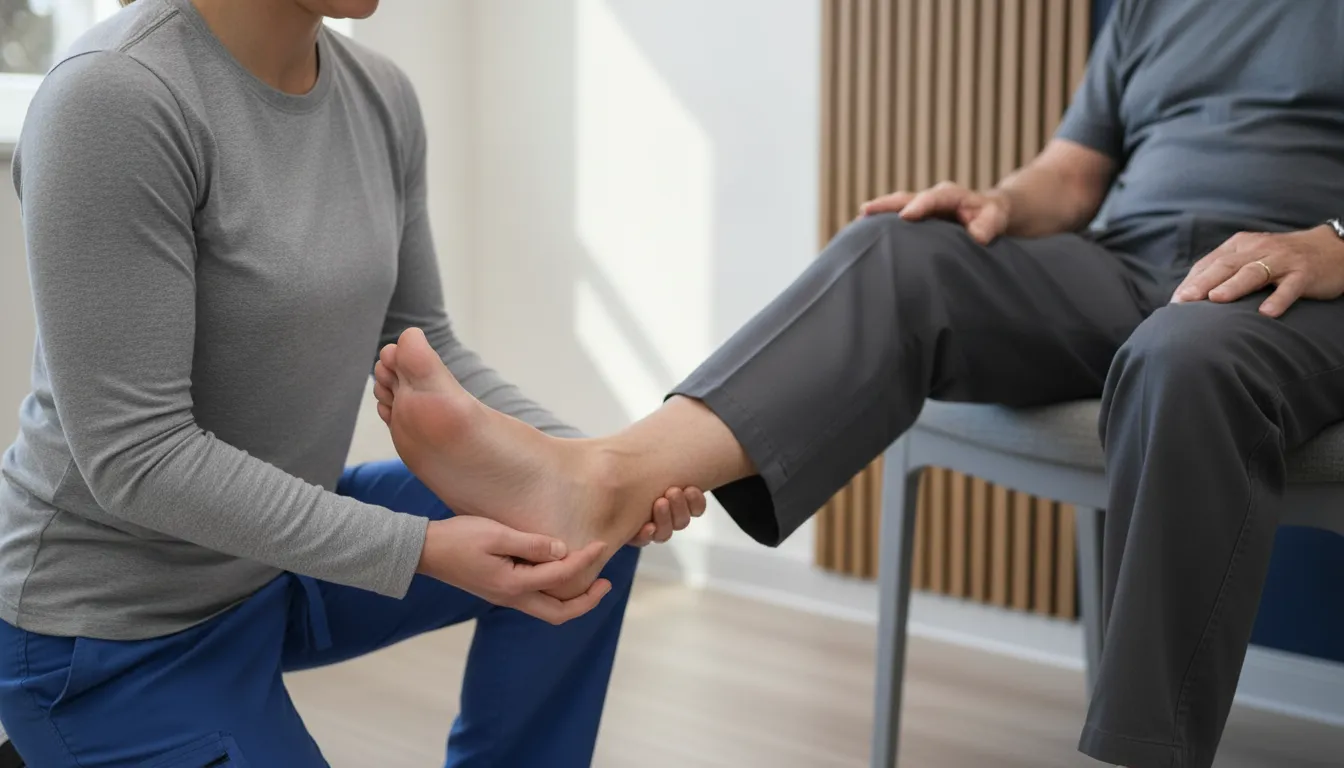
Your appointment will begin with a conversation. Your doctor will want to hear about your symptoms, when the pain started, what makes it feel worse, and your general medical history. Next, they will perform a physical exam. This involves gently pressing on the outside of your hip to locate specific points of tenderness, which is a classic sign of hip bursitis. They may also move your leg into different positions to assess your range of motion and check for pain. This thorough examination helps your doctor confirm their suspicions and rule out other potential problems, like arthritis or a muscle tear.
Using Imaging to Confirm a Diagnosis
While a physical exam is often enough to diagnose hip bursitis, your doctor may order imaging tests to get more detail or rule out other issues. An X-ray is a common first step, as it can reveal problems with the bone, such as arthritis or bone spurs that might be irritating the bursa. However, X-rays don’t show soft tissues. If your doctor needs a clearer view of the bursa itself, they may recommend an MRI. An MRI scan is excellent at creating detailed images that can show soft tissues and confirm that the bursa is inflamed, giving your care team the complete picture needed to design your treatment.
How to Manage Hip Bursitis at Home
Dealing with hip pain can be frustrating, but you have the power to manage your symptoms and find relief right from home. By focusing on a few key areas, you can reduce inflammation, improve your hip’s function, and get back to the activities you love. These at-home strategies are your first line of defense against bursitis pain.
Simple Steps: Rest, Ice, and Smart Activity
When your hip is hurting, the first and most important thing to do is listen to your body. Taking a break from the activities that cause pain, whether it’s a long walk or a specific exercise, gives the inflamed bursa a chance to calm down. This doesn’t mean you have to stop moving entirely, but it does mean being smart about your activity. For immediate relief, ice is your best friend. Applying an ice pack to the sore spot for 15 to 20 minutes a few times a day can significantly reduce swelling and numb the pain. If the area feels warm to the touch, try alternating 15 minutes of ice with 15 minutes of rest to manage the inflammation.
Gentle Exercises and Stretches for Relief
Once the initial, sharp pain begins to subside, you can introduce gentle movement back into your routine. The goal here is to strengthen the muscles that support your hip, which helps take pressure off the bursa. Think of it as building a better support system for your joint. Your clinician can help shape a plan that fits you, but you can start with a few simple movements at home. Incorporating gentle stretches like the standing IT-band stretch, figure-4 stretch, and a kneeling hip-flexor stretch can provide a lot of relief. Aim to perform these movements once or twice a day, being careful not to push into any sharp pain. Consistency is more important than intensity.
Everyday Habits: Posture, Footwear, and Weight
The small choices you make every day can have a big impact on your hip health. Start by paying attention to your posture when you sit and stand; slouching can throw your alignment off and put extra strain on your hips. Another simple but powerful change is your footwear. Wearing supportive shoes that provide good cushioning can absorb shock and reduce the stress on your joints with every step. If you are carrying extra weight, even a modest amount of weight loss can significantly lighten the load on your hips. These daily habits work together to create a healthier environment for your joints and can help keep bursitis flare-ups at bay.
Medical Treatments for Hip Bursitis
When home remedies aren't enough to get you back to the activities you love, it’s time to explore medical treatments. The goal here isn't just to mask the pain, but to address the underlying inflammation and strengthen your body to prevent future issues. Working with a medical professional ensures you get a clear diagnosis and a personalized treatment plan. This partnership is key to moving past the limitations of hip pain and reclaiming your active lifestyle, often without needing to resort to surgery. Your doctor can help you find the right combination of therapies, from foundational approaches like guided rehabilitation exercise to regenerative treatments, that will get you moving comfortably again.
Strengthen and Heal with Rehabilitation
One of the most effective ways to manage hip bursitis for the long term is through physical medicine and rehabilitation. A good rehabilitation plan is more than a list of exercises; your care team builds a targeted program to support your body's recovery. This often involves gentle stretches to release tension in surrounding structures, like the iliotibial (IT) band, and specific exercises to strengthen the hip muscles that support the joint. Stronger muscles provide better stability, reducing stress on the bursa. Your care team might also suggest other supportive measures, such as heat and ice, to help ease pain and inflammation while you build a more resilient hip.
Managing Pain with Medication
During a painful flare-up, over-the-counter pain relievers can provide temporary relief. Nonsteroidal anti-inflammatory drugs (NSAIDs) like ibuprofen or naproxen can be effective at reducing both the pain and the swelling that come with bursitis. While these can be helpful for getting through a particularly rough patch, it's important to think of them as a short-term tool, not a long-term solution. They don't fix the root cause of the problem. Always use these medications as directed and talk with your doctor to make sure they are a safe choice for you, especially if you are taking other medications or have other health conditions.
Corticosteroid Injections for Inflammation
If the inflammation in your hip is severe and not responding to other treatments, your doctor might suggest a corticosteroid injection. This involves injecting a powerful anti-inflammatory medicine directly into the inflamed bursa. For many people, this provides significant and rapid pain relief that can last for months. The injection can calm the inflammation enough to allow you to participate more effectively in rehabilitation exercises. However, these injections are used judiciously. While a corticosteroid shot can be very effective, receiving too many in the same area can potentially weaken surrounding tissues over time, so it's a treatment that requires careful consideration with your doctor.
Advanced Healing: Regenerative Medicine and Shockwave Therapy
For persistent hip bursitis that hasn’t responded to traditional care, other non-surgical options may be worth discussing. Regenerative medicine, for example, uses substances drawn from your own body, such as platelet-rich plasma, with the aim of supporting tissue healing without surgery. Another powerful option is shockwave therapy, a non-invasive treatment that uses sound waves to stimulate blood flow and metabolic activity in the affected area. It is intended to support your body’s own healing response. Results vary from person to person, and no outcome is guaranteed, so talk with your clinician about whether these options fit your situation.
Preventing Future Flare-Ups
Once you’ve found relief, the focus shifts to making sure the pain doesn't come back. Preventing future flare-ups is all about smart, proactive habits. This starts with being mindful of activities that put repetitive stress on your hips and finding modifications. If you have a leg-length discrepancy, even a small one, custom shoe inserts can make a world of difference by correcting your alignment. Maintaining a healthy weight also reduces the daily load on your hip joints. Most importantly, continuing with a maintenance program of strengthening and flexibility exercises will keep your hips strong, stable, and ready for action.
When Is Surgery the Right Choice?
Surgery for hip bursitis is rare and is only considered a last resort. It’s typically reserved for severe, chronic cases where all other non-surgical treatments have failed to provide relief over a long period. The most common surgical procedure involves simply removing the inflamed bursa sac, which is called a bursectomy. Your hip can function perfectly normally without it. Because this is an invasive step, it’s a decision that is made only after a thorough evaluation and discussion with your orthopedic specialist. The good news is that with today's effective non-operative treatments, most people will never need to consider hip surgery for bursitis.
Frequently Asked Questions
Why does my hip hurt more at night when I'm just lying down? This is one of the most common and frustrating parts of hip bursitis. When you lie on your affected side, you put direct pressure on the inflamed bursa, which can cause a sharp, intense pain. Even if you lie on your good side, your top leg can drop forward or downward, which stretches the tissues over the outer hip and irritates the bursa. Placing a pillow between your knees can help keep your hips aligned and reduce this strain, often leading to a better night's sleep.
Can I still exercise if I have hip bursitis? Yes, but you need to be smart about it. The key is to modify your activities, not stop moving altogether. You should take a break from high-impact exercises or any movement that causes sharp pain, like running or deep squats. However, gentle, targeted exercises and stretches are essential for recovery. Strengthening the muscles that support your hip helps take pressure off the bursa. Your clinician can show you the right movements to help you heal without making the inflammation worse.
How can I tell if my hip pain is bursitis or something else, like arthritis? The location of the pain is a big clue. Hip bursitis typically causes tenderness and pain on the bony point of your outer hip, which can spread down the outside of your thigh. In contrast, pain from hip arthritis is most often felt deep in the groin or the front of your hip. While a doctor is the only one who can give you a definite diagnosis, paying attention to exactly where it hurts can give you a better idea of what might be going on.
How long does it typically take to recover from hip bursitis? Recovery time really varies from person to person. For a mild case, you might feel significant relief within a few weeks by resting, icing the area, and doing gentle stretches. If your bursitis is more severe or has become a chronic issue, it could take several months of consistent effort, including rehabilitation exercises, to resolve. The most important factor is addressing the root cause, whether it's muscle weakness or a repetitive activity, to ensure the pain doesn't just keep coming back.
Are treatments like corticosteroid injections or shockwave therapy a permanent fix? These medical treatments are excellent for breaking the cycle of pain and inflammation, but they work best as part of a bigger plan. A corticosteroid injection can provide rapid relief that allows you to engage in rehabilitation exercises with less pain. Likewise, shockwave therapy helps stimulate your body's own healing processes. Think of them as creating a window of opportunity. The permanent solution comes from using that pain-free window to strengthen your hip muscles and correct any movement patterns that caused the problem in the first place.